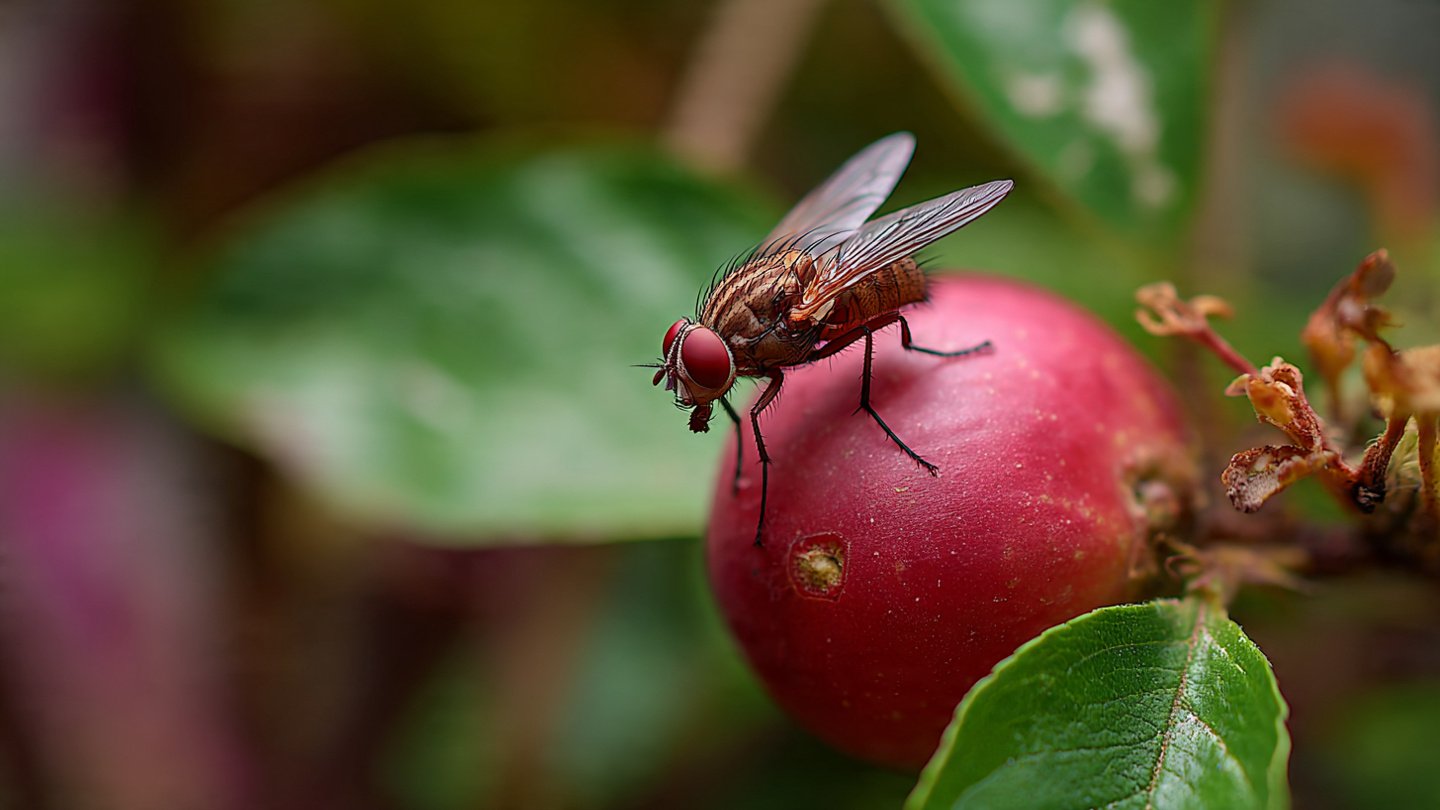
Fruit flies are tiny insects that often find their way into our gardens, causing an array of frustrations for gardeners around the world. While it might be tempting to ignore their presence, understanding what attracts these pests can be key in managing them effectively. In this article, we will explore the reasons behind fruit fly attraction, common types, methods of prevention, and how to manage their presence in your garden.
Understanding Fruit Flies
Fruit flies, scientifically known as Drosophila melanogaster, are small flies approximately 1/8 inch long. These pests are known for their rapid reproductive cycles, which can lead to infestations in a short period of time. Their primary goal is to locate ripe or fermenting fruits to lay their eggs, where the larvae can feast upon decaying organic matter. This behavior can lead to damage of fruit crops, making them a significant concern for gardeners.
What Attracts Fruit Flies?
Several factors lure fruit flies into gardens, primarily focusing on food sources, breeding habitats, and environmental conditions.
1. Ripe and Overripe Fruits
The most common attractant for fruit flies is ripe or overripe fruit. The fermentation process releases volatile compounds, which are irresistible to these pests. Common fruits include:
- Bananas
- Peaches
- Grapes
- Tomatoes
2. Fermenting Vegetables and Organic Matter
In addition to fruits, fruit flies are also attracted to decaying vegetables and other organic matter. This includes:
- Compost piles
- Vegetable remains and scraps
- Rotting leaves
3. Sugary Substances
Sweet liquids and substances can also draw fruit flies in. This could include:
- Soda spills
- Juices
- Alcoholic beverages
4. Warm and Humid Conditions
Fruit flies thrive in warm, humid environments. Warm temperatures promote fermentation, thus attracting them to specific areas of your garden, especially during the summer months.
Common Types of Fruit Flies
While the most recognizable type is the common fruit fly, several other species may invade your garden. A few include:
- Drosophila simulans: Often found in homes and gardens, similar in behavior to the common fruit fly.
- Drosophila suzukii: Known as the Spotted Wing Drosophila, this species lays eggs in fresh fruits.
- Coletinia species: Associated with yeast, these flies can also appear in gardens.
Managing and Preventing Fruit Fly Infestations
Preventing fruit flies requires a multi-faceted approach to eliminate their attraction to your garden:
1. Cleanliness is Key
Regularly clean your garden by removing fallen fruits, vegetables, and plant debris. Compost should be managed properly to avoid attracting flies by ensuring it is aerated and turned regularly.
2. Barrier Methods
Cover ripening fruits with mesh bags to keep them protected from fruit flies. This creates a barrier while allowing air circulation.
3. Traps
Create traps using apple cider vinegar or homemade bait solutions to attract and capture fruit flies. You can use:
- A bowl of apple cider vinegar covered with plastic wrap, with small holes poked for entry.
- A mixture of sugar water and vinegar in a jar, covered with a funnel.
4. Use Natural Deterrents
Certain plants can repel fruit flies, such as:
- Basil
- Lavender
- Marigolds
5. Biological Control
Introducing beneficial insects like parasitic wasps can help control fruit fly populations. They lay eggs inside fruit fly larvae, reducing their numbers.
Conclusion
Understanding what attracts fruit flies to your garden is the first step in managing their presence effectively. By focusing on cleanliness, employing barriers, creating traps, and utilizing natural deterrents, gardeners can significantly reduce fruit fly populations. Remember, the key lies in proactive measures. Regular monitoring of your crops coupled with timely interventions can keep your garden flourishing and fruit fly-free!
FAQs
1. How can I identify if I have a fruit fly infestation?
If you notice a heavy presence of small flies around ripe fruits and vegetables, especially in warm conditions, you likely have an infestation. Additionally, seeing larvae or small black specks on your produce is another sign.
2. Can fruit flies damage my garden’s crops?
Yes, fruit flies can cause significant damage to ripe and fermenting fruits and vegetables, leading to rotting and decreased harvest quality.
3. Is it safe to use traps and chemical repellents around pets and children?
Always check labels for any chemicals and choose non-toxic options if you’re concerned. Natural traps using vinegar or inclusion of beneficial insects are generally safe.
4. Will freezing my fruits and vegetables kill fruit fly larvae?
Yes, freezing can kill fruit fly larvae. It’s an effective method to ensure any infestations are eliminated before storage or use.
5. How often should I check my garden for fruit flies?
Regular checks, especially during warmer months, should be done at least once a week. Prompt action at the first signs of fruit flies can prevent larger issues.