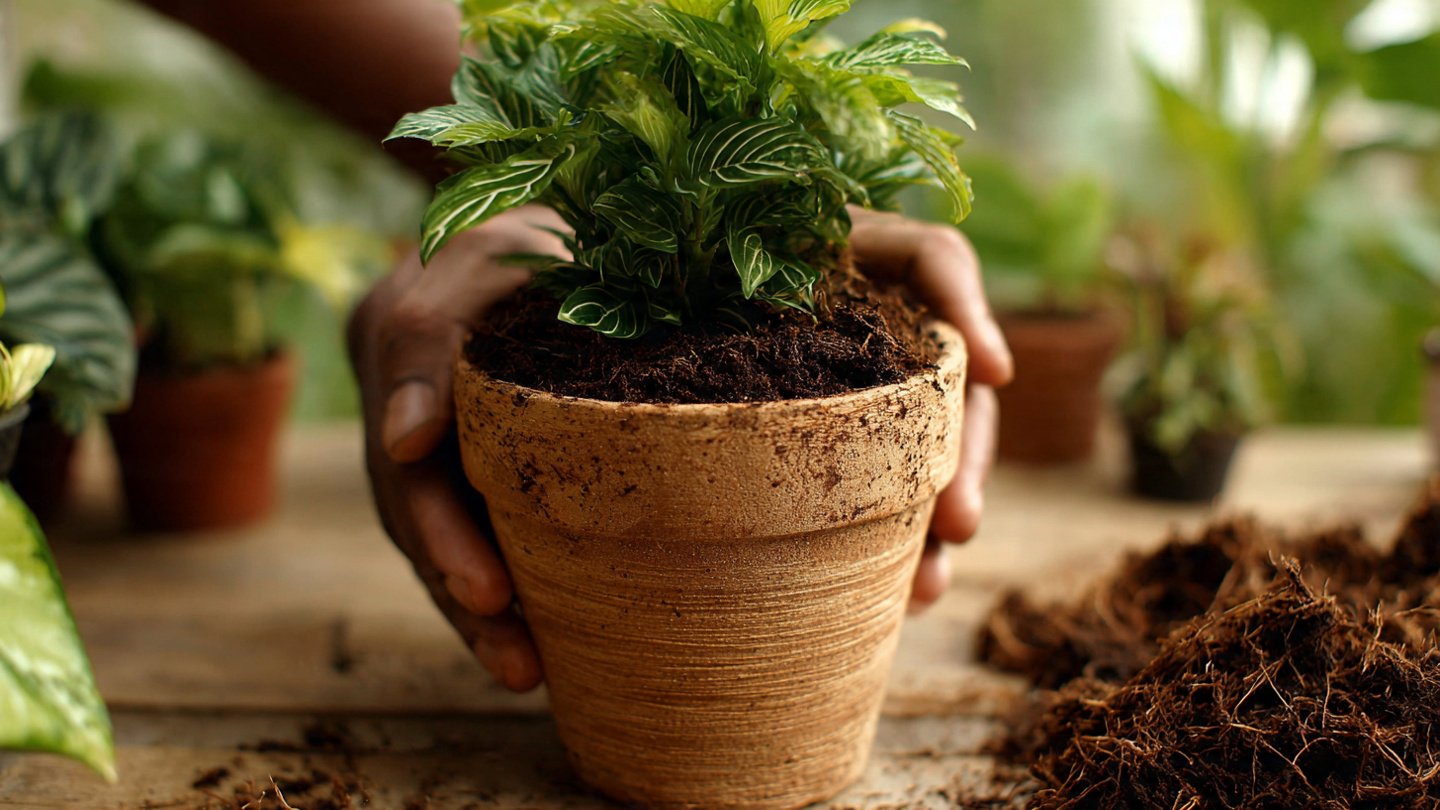
When you’re nurturing new plant cuttings, the last thing you want to worry about is whether the potting soil you’ve used for previous plants is harboring hidden dangers. While old potting soil might seem like a practical choice due to its affordability and availability, it might pose risks that could jeopardize the success of your new cuttings. Understanding these potential hazards is crucial for every gardener aiming for lush and thriving plants.
The Basics of Potting Soil
Potting soil is specifically formulated to provide essential nutrients, proper drainage, and an optimal environment for root development. Unlike garden soil, potting mixtures often contain elements such as peat moss, vermiculite, perlite, and organic matter, all of which help retain moisture and promote aeration. However, as beneficial as new potting soil can be, older mixes may carry hidden risks.
Why You Should Be Cautious with Old Potting Soil
When considering the use of old potting soil for your new cuttings, a few critical reasons warrant caution:
1. Nutrient Depletion
Over time, potting soil can lose its nutrient content. Repeated watering leaches essential minerals and nutrients from the soil, significantly impacting its ability to support new plants. Old soil often lacks adequate levels of nitrogen, phosphorus, and potassium, which are necessary for healthy growth. Without these nutrients, cuttings may struggle to root, grow, or thrive.
2. Pest Infestation
Old potting soil may harbor pests such as fungus gnats, aphids, or mites. These insects can easily damage young cuttings and create stress that hinders rooting and growth. They thrive in the organic matter present in old soil, making it a potential breeding ground for infestations that can spread to healthy plants.
3. Pathogen Risks
Fungi, bacteria, and viruses can linger in old potting soil, posing risks to plant health. Pathogens can cause diseases that lead to root rot and other issues for your new cuttings. Even if the soil appears dry and clean, it might still contain dormant spores waiting for the right conditions to activate and harm your plants.
4. Salinity Build-up
With repeated watering, salts from fertilizers and water can accumulate in old potting soil. High salt levels can lead to nutrient lockout, limiting the cuttings’ ability to absorb essential elements. This condition often manifests as leaf burn or other stress signs in plants.
5. Poor Structure
Old potting soil can break down over time, leading to a compacted texture that diminishes airflow and drainage. Good drainage is essential for cuttings to establish roots; if the soil is too dense, it can suffocate the plant and lead to rot.
How to Assess Old Potting Soil
If you’re considering reusing old potting soil, it’s essential to assess its condition thoroughly. Here are some steps to take:
1. Visual Inspection
Inspect the soil for any signs of pests, mold, or strange odors. If you observe any adverse signs, it’s best to discard the soil.
2. Texture Test
Feel the soil for compactness. If it feels hard and crumbly rather than fluffy, it may be too old for effective use.
3. Smell Test
Old soil should not have a foul odor. Any unusual smells can indicate the presence of decaying organic matter or pathogens.
4. Nutrient Testing
Consider using a soil testing kit to measure nutrient levels and pH. This can give you valuable insight into whether the old soil can sustain new cuttings.
How to Revitalize Old Potting Soil
If you decide to use old potting soil after assessing it, consider revitalizing it to enhance its viability for new cuttings. Here are some methods:
1. Sterilization
One effective method is to sterilize the soil by baking it in the oven at 180°F for about 30 minutes to kill fungi, bacteria, and pests. Make sure to let it cool before using it for your cuttings.
2. Amendment with Fresh Ingredients
Mix in fresh potting soil or amendments such as perlite, vermiculite, or compost. These additions can enhance nutrient content and improve soil structure.
3. Fertilization
Consider adding a balanced slow-release fertilizer to replenish nutrient levels. This will support healthy growth for your new cuttings.
4. Screening
Screen out large particles and debris to create a consistent texture for your cuttings. This can help improve drainage and aeration.
Best Practices for Future Cuttings
To avoid issues with old potting soil in the future, consider the following best practices:
1. Use Fresh Soil Whenever Possible
Whenever possible, use untested, fresh potting soil for new cuttings to ensure optimal health and growth. Fresh mixes are designed specifically for propagation and rooting.
2. Rotate Soil
Instead of reusing the same soil repeatedly, consider rotating it with different batches. This reduces the risk of pathogens and pests.
3. Store Soil Properly
If you need to save potting soil for future use, store it in a sealed container in a cool, dry place. This will help maintain its quality.
4. Monitor Plant Health
Regularly check the health of your plants and cuttings, noting any signs of stress or disease. Early detection can prevent more significant problems.
Conclusion
While reusing old potting soil can be tempting due to its convenience, it is crucial to understand the hidden hazards that may accompany it. Nutrient depletion, pest infestations, pathogens, and poor soil structure can all negatively impact the chances of success for your new cuttings. By carefully assessing the condition of old potting soil and taking appropriate measures to revitalize it, you can create a healthier environment for your plants. Ultimately, investing in quality soil for your cuttings will pay off with more vigorous growth, lush foliage, and a happier gardening experience.
FAQs