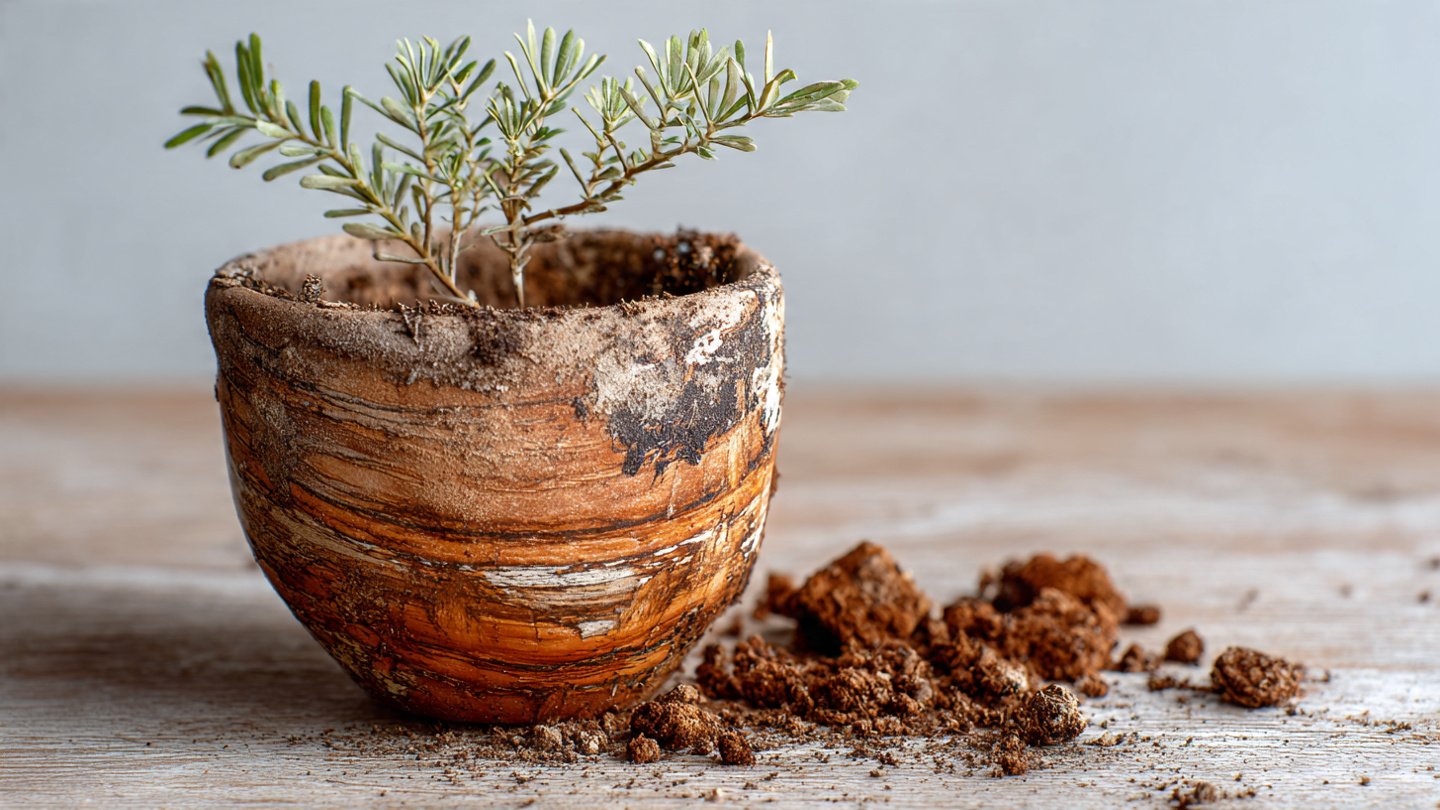
Potting soil is a vital component for growing healthy plants, especially when taking cuttings that require a nutrient-rich environment to root and thrive. However, many gardeners use potting soil for years, often reusing the same mix without considering potential hidden hazards that may affect new plant cuttings. This article explores those hazards, provides guidance on how to assess your potting soil, and offers tips for preparing your soil to ensure the best chance of success for your new cuttings.
The Importance of Quality Potting Soil
Potting soil is not merely dirt; it is a carefully formulated blend designed to provide the right balance of air, moisture, and nutrients. High-quality potting soil typically contains a mixture of organic matter, such as peat moss or coconut coir, perlite or vermiculite for aeration, and sometimes fertilizers. The correct composition promotes healthy root development, which is crucial when propagating plants through cuttings.
Hidden Hazards in Old Potting Soil
While reusing potting soil can be an economical option, there are several potential hazards that could undermine your new cuttings. Let’s delve into the most common issues found in old potting soil.
1. Pathogens and Pests
When reusing potting soil, there’s a risk of introducing pathogens and pests into your new plants. Previous plants may have been susceptible to diseases or pests that linger in the soil. Common issues include:
- Fungal Diseases: Fungi such as root rot pathogens can survive in potting soil. They thrive in damp conditions and can quickly infect new cuttings.
- Bacteria: Harmful bacteria can lead to damping-off disease, where seedlings wilt and die.
- Pests: Bugs like fungus gnats can take refuge in old soil, potentially harming healthier plants.
2. Depletion of Nutrients
Potting soil loses its nutritional content over time as plants absorb the available nutrients. This depletion can lead to poor growth and insufficient support for new cuttings. Essential elements such as nitrogen, phosphorus, and potassium may be lacking, which are vital for rooting and subsequent growth.
3. Salt Buildup
Over time, salts from fertilizers can accumulate in old potting soil. This buildup can create an inhospitable environment for new cuttings, causing issues like:
- Soil toxicity that can inhibit root growth.
- Dehydration of plants, as excess salts draw moisture away from roots.
- Burning of delicate plant tissues.
4. Soil Compaction
Repeated use and watering can lead to soil compaction, reducing aeration and drainage. Compacted soil restricts root growth and can create a soggy environment, which is detrimental to cuttings. Adequate airflow is vital for healthy roots, so compacted soil can severely hinder their development.
How to Assess Your Old Potting Soil
Before using old potting soil for new cuttings, it’s essential to assess its condition. Here are some evaluation steps to follow:
- Visual Inspection: Look for signs of mold, unusual colors, or pests. If the soil appears lifeless or has a sour smell, it’s likely not suitable for new plants.
- Texture and Structure: Crumble the soil in your hands. It should be slightly moist, crumbly, and not sticky. If it’s compacted or mud-like, it needs to be amended or replaced.
- Smell Test: Healthy soil often has a pleasant, earthy scent. If it smells foul or off-putting, it’s a sign of deterioration.
How to Revitalize Old Potting Soil
If your old potting soil shows signs of potential hazards but is not completely unusable, there are steps you can take to revitalize it:
1. Sterilization
To eliminate pathogens and pests, consider sterilizing your soil. There are various methods available, including:
- Oven Method: Spread the soil on a baking tray and heat it in the oven at 180°F (82°C) for about 30 minutes.
- Microwave Method: Place soil in a microwave-safe container and microwave for 90 seconds to 2 minutes, making sure the internal temperature reaches 180°F (82°C).
2. Amendment with Fresh Ingredients
Adding fresh organic matter can restore valuable nutrients to depleted soil. Consider incorporating:
- Compost: Rich in nutrients and helpful microbes.
- Worm Castings: Great for enhancing soil fertility.
- Perlite or Vermiculite: Improve aeration and drainage.
3. Flush the Soil
If salt buildup is a concern, flush the soil with water. This method involves soaking the soil thoroughly, allowing extra water to drain out, which can help flush away unwanted salts.
4. Replace Old Soil
If the soil is severely compromised, it’s often best to discard it entirely and invest in a fresh potting mix specifically formulated for the type of cuttings you’re propagating.
Conclusion
Using old potting soil for new cuttings can pose several hidden hazards that may jeopardize their development. From pathogens and nutrient depletion to salt buildup and compaction, the risks are real and significant. However, by thoroughly assessing the condition of your soil and taking steps to revitalize it, you can mitigate these risks and provide a healthy starting environment for your new plants. As a best practice, consider mixing old soil with fresh materials or replacing it entirely to offer your cuttings the best chance for success.
FAQs
1. Can I use old potting soil for cuttings?
While it is possible, old potting soil can harbor pathogens and may lack necessary nutrients, which can be detrimental to new cuttings. Assess and revitalize old soil or consider using fresh potting mix for optimal results.
2. How can I tell if my potting soil is still good?
Check for visual signs such as mold or pests, assess the texture for compaction, and do a smell test. If it smells foul or seems lifeless, it may be time to replace it.
3. What can I do if my potting soil has salt buildup?
You can flush the soil with water to help remove excess salts. Ensure you provide adequate drainage to avoid waterlogging.
4. Is it worth sterilizing old potting soil?
Yes, sterilizing can eliminate harmful organisms and pests. This step can make the old soil viable for new cuttings if paired with fresh amendments.
5. How often should I change my potting soil?
It is recommended to replace potting soil every couple of years or when transitioning to a new plant. Regularly assess its condition during this time.