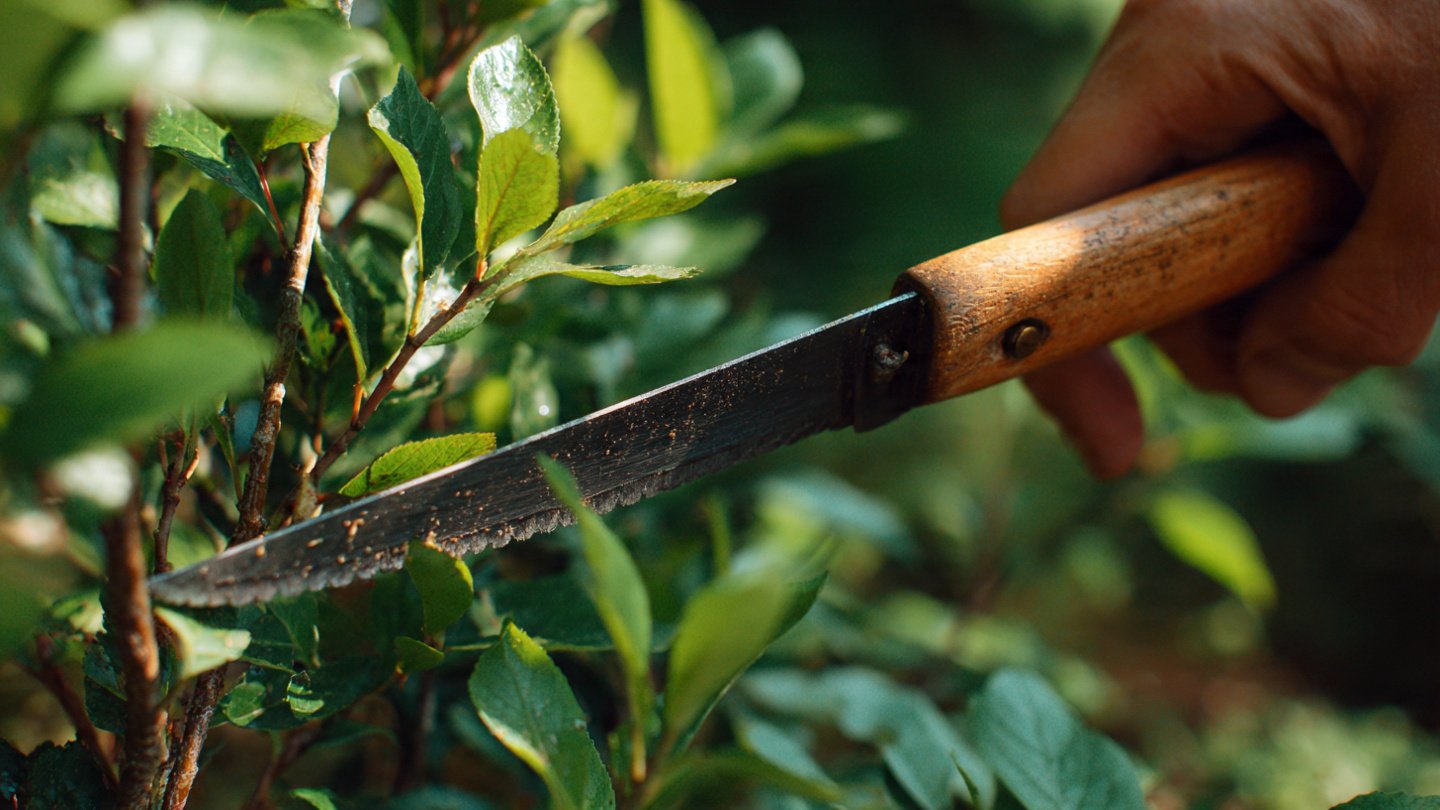
When it comes to gardening, having the right tools can make all the difference. From shovels to shears, each tool serves a specific purpose in helping to maintain a healthy garden. However, amidst the more common tools, one often-overlooked item is the garden knife. This versatile instrument can be a game-changer for both novice and experienced gardeners alike. But what exactly makes a garden knife so special for pruning tasks?
What is a Garden Knife?
A garden knife, often referred to as a Hori Hori knife, is a multi-functional tool that features a sharp blade and a sturdy handle. It is typically made from stainless steel, which ensures durability and resistance to rust. The blade is double-edged, making it suitable for various tasks, including digging, weeding, and, most importantly, pruning.
What sets the garden knife apart is its unique shape, which resembles a trowel on one side and a blade on the other. This design allows gardeners to easily cut through tough stems or roots while also being able to scoop out soil or weeds when necessary. This dual functionality makes it an invaluable tool in any gardener’s arsenal.
The Advantages of Using a Garden Knife for Pruning
1. Precision Cutting
One of the standout features of a garden knife is its precision cutting ability. The sharp blade allows for clean cuts, which are crucial when pruning plants. Clean cuts minimize damage to the plant, reducing the risk of infection and promoting healthier growth.
2. Durability and Reliability
Unlike standard pruning shears that can become dull over time, many garden knives are designed to last. The stainless steel blades are not only sharp but also resistant to wear and tear, making them a reliable choice for gardeners who need a tool that can withstand the rigors of outdoor use.
3. Versatility
Garden knives aren’t just for pruning. Their multifunctionality allows gardeners to use them for digging, weeding, and planting. This versatility can simplify the gardening experience, making it easier to transition between different tasks without needing to switch tools constantly.
4. Lightweight and Easy to Handle
Many garden knives are lightweight and designed to be comfortable to hold, which offers ease of use during extended gardening sessions. This ergonomic design ensures that gardeners can maneuver the knife easily, allowing for more efficient pruning.
5. Cost-Effective Solution
While some gardening tools can be quite pricey, garden knives are generally affordable. Investing in a quality garden knife can save you money in the long run by reducing the need for multiple specialized tools.
How to Use a Garden Knife for Pruning
Knowing how to use a garden knife effectively can help maximize its benefits. Here’s a step-by-step guide to using a garden knife for pruning:
Step 1: Choose the Right Time
The best time to prune your plants is during their dormant season, usually late winter or early spring. This timing helps to encourage new growth when the weather warms up.
Step 2: Inspect the Plant
Before you begin pruning, take a good look at the plant. Identify dead or diseased branches that require removal, as well as any areas that might benefit from shaping.
Step 3: Make the Cuts
Hold the garden knife at a slight angle and make clean cuts just above a node or bud. This positioning encourages new growth in the right direction. For thicker stems, use the pointed edge of the knife to pierce through and then use the broader edge for a clean cut.
Step 4: Clean Up
After pruning, make sure to clear away any debris. This helps to reduce the chance of disease spreading to the remaining parts of the plant.
Step 5: Clean the Knife
After using your garden knife, clean it thoroughly to preserve the blade’s sharpness and prevent rusting. A simple wash with warm, soapy water followed by drying it can extend its lifespan significantly.
Tips for Choosing a Garden Knife
When selecting a garden knife, consider the following factors:
1. Blade Material
Stainless steel blades are recommended for their durability and resistance to rust. Some knives also have a carbon steel option, which can hold an edge longer but may require more maintenance.
2. Handle Comfort
Look for a handle that feels comfortable in your hand. Ergonomic designs can significantly enhance your gardening experience by reducing hand strain.
3. Blade Size
Choose a blade size that matches the types of plants you are working with. A longer blade may be useful for larger branches, while a shorter one might be better suited for delicate plants.
4. Price Consideration
While you don’t need to break the bank, investing in a high-quality garden knife can save you money in the long run due to its durability and multifunctionality.
Conclusion
In the world of gardening, tools are not simply accessories; they are essential partners that help you cultivate a thriving garden. The garden knife, with its sharp blade, versatility, and durability, may very well be the secret weapon you’ve been missing in your gardening toolkit. Whether you’re pruning, digging, or weeding, this tool offers a precision and efficiency that transforms the gardening experience.
So, the next time you’re gearing up for a pruning session, remember the garden knife. It is a modest tool that can unlock a new level of gardening proficiency, ensuring that your green space flourishes with every cut.
FAQs
1. Can a garden knife be used for all types of plants?
Yes, a garden knife can be used for various plants, although care should be taken with delicate species to avoid damage.
2. How often should I sharpen my garden knife?
Sharpen your garden knife whenever you notice a dull edge. Keeping it sharp will make pruning easier and ensure clean cuts.
3. What is the best way to clean a garden knife?
Clean your garden knife with warm, soapy water, then dry it thoroughly to prevent rust. For stainless steel blades, occasional oiling can also help maintain them.
4. Are there specific safety precautions to consider?
Always cut away from your body and keep your hands out of the blade’s path. Wear gloves to protect your hands from potential cuts and scrapes.
5. Can I use a garden knife for other gardening tasks besides pruning?
Absolutely! Garden knives are versatile and can be used for digging, weeding, and even planting.