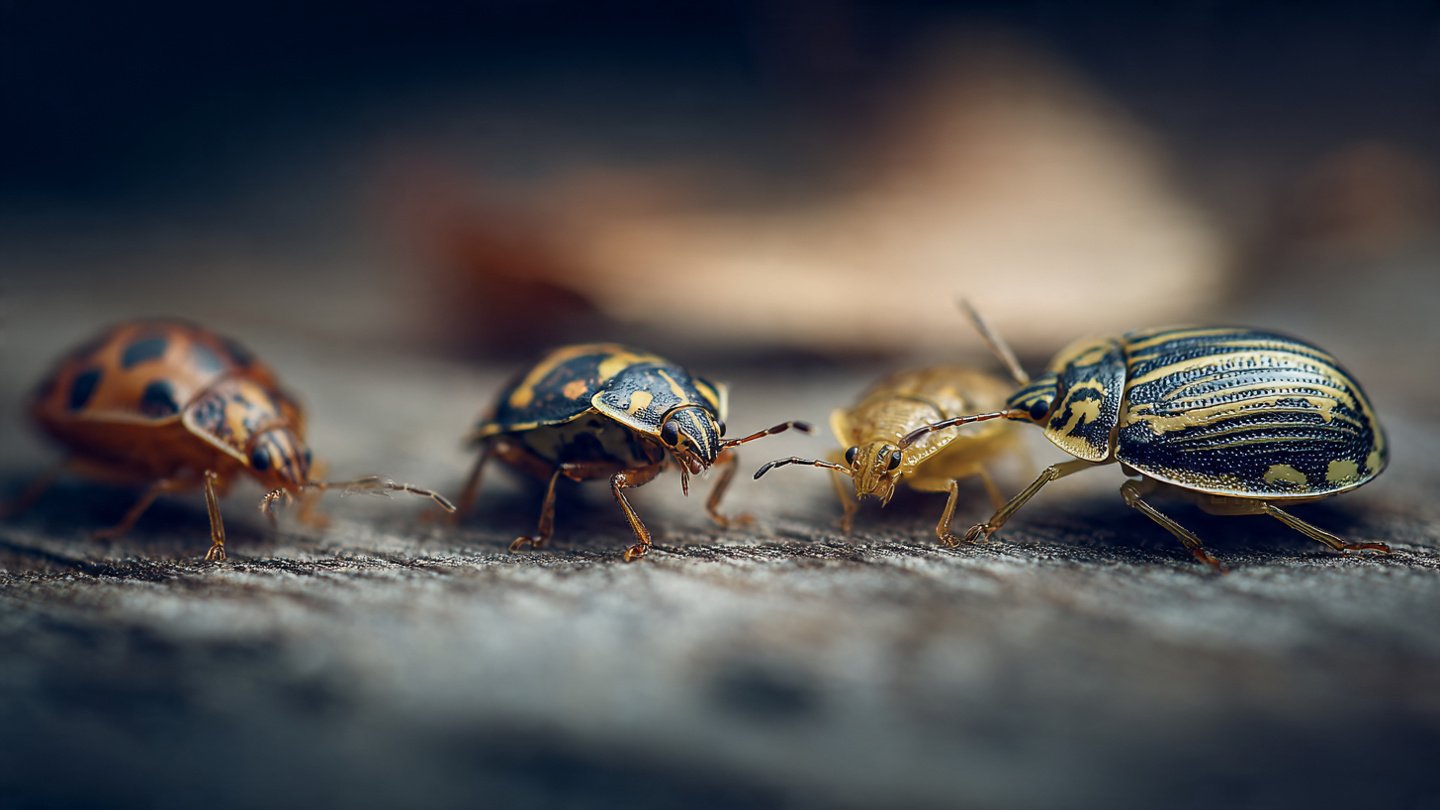
Gardening is a rewarding hobby that allows individuals to cultivate beauty and nurture life, but it often comes with challenges, particularly the presence of pests. Traditional gardening methods often involve chemical pesticides that can be harmful to both the environment and human health. As awareness grows around the impacts of synthetic chemicals, many gardeners are turning to natural pest control methods. This article explores whether natural pest control is indeed the secret to a thriving garden, examining its effectiveness, benefits, and practical application.
Understanding Natural Pest Control
Natural pest control encompasses a variety of methods that aim to manage pest populations without the use of synthetic chemicals. By leveraging ecological principles, gardeners can establish a balanced environment that minimizes the impact of harmful pests. These methods can be broadly classified into several categories, including biological control, cultural practices, mechanical control, and the use of natural substances.
1. Biological Control
Biological control involves the introduction or encouragement of natural predators and parasites that target pest species. For instance, ladybugs are renowned for consuming aphids, while birds can help control caterpillar populations.
- Predatory Insects: Certain insects, such as lacewings and spiders, can dramatically reduce pest populations in the garden. Some gardeners encourage these beneficials by providing habitats through diverse planting or dedicated insect hotels.
- Pathogens: Beneficial microorganisms, such as certain fungi and bacteria, can be utilized to combat pests. For example, Bacillus thuringiensis (Bt) is a bacterium that can be used to control caterpillar pests without harming beneficial insects.
2. Cultural Practices
Cultural practices involve agricultural techniques designed to prevent pest infestations. By thinking proactively, gardeners can create conditions that are less conducive to pest damage.
- Crop Rotation: Rotating crops each season can break the life cycles of pests that target specific plants, reducing their numbers over time.
- Companion Planting: This practice involves pairing plants that can benefit each other. Some plants can repel pests when grown alongside vulnerable crops. For example, marigolds are often planted near tomatoes to deter nematodes.
- Soil Health: Healthy soil contributes to robust plant growth, making plants less susceptible to pests. Practices such as composting, mulching, and cover cropping can improve soil fertility, leading to stronger plants that can withstand pest pressures.
3. Mechanical Control
Mechanical control methods involve physical barriers and traps to limit pest access to plants. These strategies are straightforward and can be highly effective.
- Row Covers: Floating row covers made from lightweight fabric can shield young plants from insects while allowing sunlight and moisture to penetrate.
- Hand-Picking: For smaller infestations, hand-picking pests like slugs or caterpillars can be a simple yet effective solution.
- Traps: Sticky traps or pheromone traps can attract and capture specific pests, reducing their presence in the garden.
4. Natural Substances
Using natural substances can help deter pests without the harsh effects of synthetic chemicals.
- Essential Oils: Oils such as neem oil or peppermint oil can be used to repel various pests. These substances can be applied as sprays to deter insects without causing harm to beneficial organisms.
- Homemade Solutions: Many gardeners create their own pest deterrents using common kitchen ingredients. A mixture of water, soap, and garlic can be sprayed onto plants to repel aphids and other soft-bodied insects.
The Benefits of Natural Pest Control
The shift towards natural pest control is driven by numerous benefits that contribute to a thriving garden.
1. Environmental Friendliness
Natural pest control methods are typically more environmentally friendly than chemical pesticides. They promote biodiversity, foster a healthier ecosystem, and reduce chemical runoff that can contaminate water sources.
2. Safe for Humans and Pets
Natural pest control is generally safer for humans, pets, and beneficial insects, thus contributing to the overall health of the garden. This is of paramount importance in home gardens where children or pets may be present.
3. Sustainability
By incorporating natural methods into gardening, individuals can create a more sustainable practice that aligns with ecological principles. Over time, this leads to improved soil health, reduced pest pressures, and a more resilient garden overall.
4. Flavor and Nutritional Value
Some studies suggest that produce grown without synthetic chemicals may offer enhanced flavor and nutritional value, contributing to a better culinary experience. Natural pest management also leads to healthier plants that can carry higher nutrient levels.
Challenges and Considerations
While natural pest control offers many advantages, it is essential to acknowledge some challenges that gardeners may face.
1. Time and Patience
Natural pest control can take longer to achieve results compared to chemical treatments. Some gardeners may need to invest more time in monitoring and managing pest populations, making it essential to be patient and diligent.
2. Knowledge Requirement
Understanding beneficial insects, plant relationships, and ecology can require a learning curve. Gardeners interested in this approach should be willing to educate themselves and experiment to determine what works best in their own environment.
3. Limited Immediate Impact
Chemical pesticides often provide immediate results, while natural methods may take longer to manifest effectiveness. Gardeners must be prepared for the possibility of some initial pest outbreaks during the transition period to a natural control method.
Implementing Natural Pest Control in Your Garden
Transitioning to natural pest control does not need to be an all-or-nothing approach. Gardeners can gradually incorporate these methods to support a thriving garden.
Step 1: Assess Your Garden
Identify the types of pests present in your garden, as well as any beneficial organisms. Understanding the dynamics at play will help you develop a tailored pest management plan.
Step 2: Educate Yourself
Research different natural pest control methods and determine which techniques align with your gardening style and goals. Books, online resources, and local workshops can provide valuable information.
Step 3: Start Small
Begin with a few natural pest control strategies. For example, if aphids are an issue, you might start by planting companion flowers that attract ladybugs or using a homemade spray.
Step 4: Monitor and Adjust
Keep a close eye on your garden’s progress. Monitor pest populations while noting the success of your implemented techniques. Be prepared to adjust your methods if necessary.
Step 5: Embrace Diversity
Diverse plantings can create a balanced ecosystem that naturally deters pests. Incorporating different species will enrich the soil and make your garden more resilient.
Conclusion
Natural pest control undoubtedly holds significant potential as the secret to a thriving garden. By leveraging biological control, cultural practices, mechanical methods, and natural substances, gardeners can cultivate vibrant ecosystems that minimize pest pressures while ensuring a bountiful harvest. Though challenges exist, the benefits of enhanced environmental sustainability, safety, and plant health make the shift to natural pest management worth considering. With diligence, education, and thoughtful application, gardeners can create flourishing sanctuaries that celebrate the interplay between human cultivation and nature’s intricate balance. Whether you are a novice gardener or a seasoned expert, the journey toward natural pest control can lead to a healthier, more productive garden.