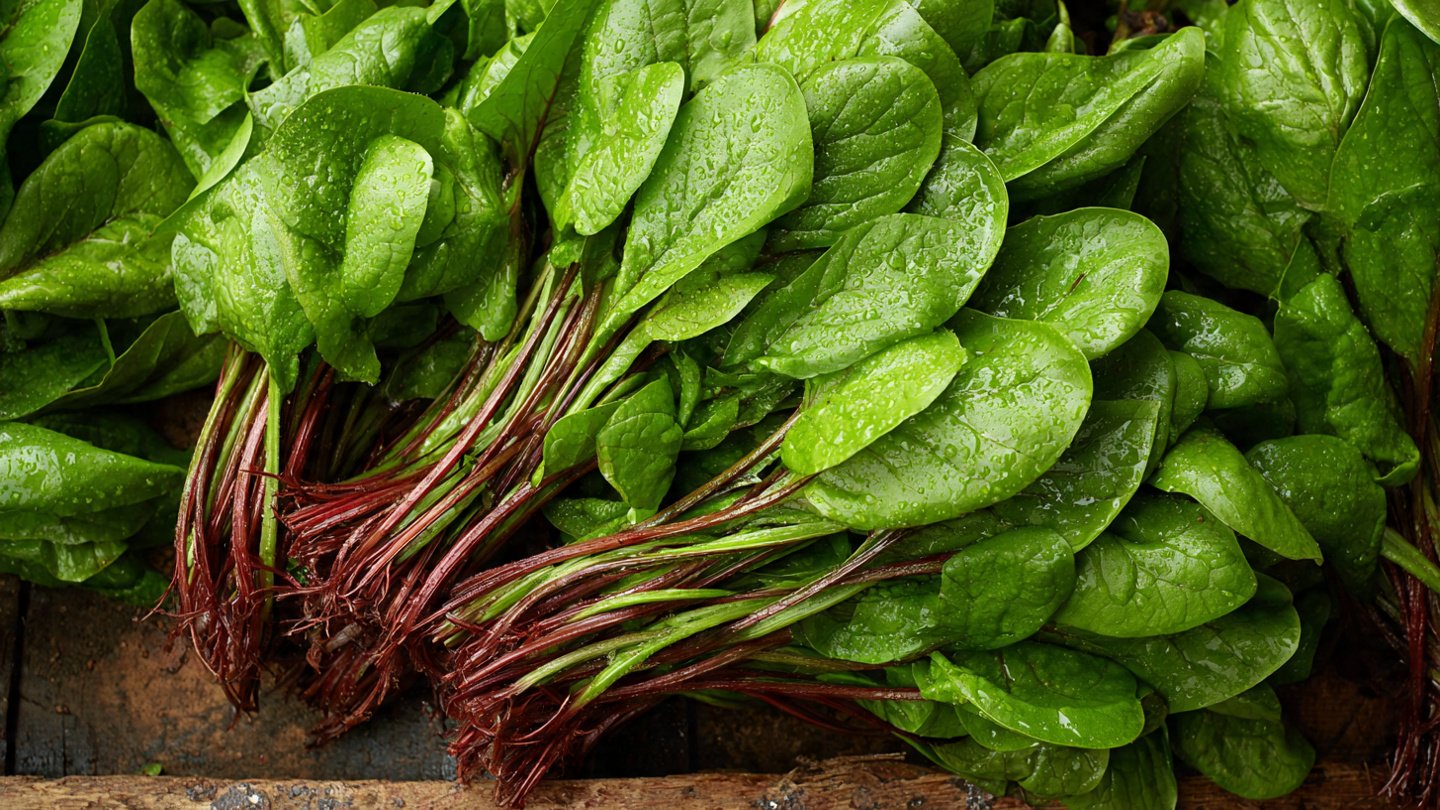
Introduction to Tart Sorrel
Tart sorrel (Rumex acetosa) is a perennial leafy green known for its tart flavor and vibrant green color. Often utilized in salads, soups, and sauces, this herbaceous plant adds a unique zing to various dishes. Besides its culinary uses, sorrel is packed with nutrients, including vitamins A and C, calcium, and iron, making it a staple in many gardens.
Growing tart sorrel can be incredibly rewarding, especially when you know the tricks to cultivate massive bunches. In this article, we will explore effective strategies, proper care techniques, and unique insights to ensure your sorrel thrives in your garden. Let’s dig into the hidden tricks that will lead to an abundant harvest!
Understanding the Growth Requirements
Before planting tart sorrel, it’s crucial to understand its growth requirements. Sorrel thrives in temperate climates and prefers well-draining, fertile soil with a pH level between 6.0 and 7.0. It does best in full sunlight but can tolerate partial shade. Here’s what you need to know:
- Temperature: Sorrel prefers cooler temperatures, ideally between 60°F to 75°F (15°C to 24°C).
- Watering: Regular watering is essential, especially during dry spells; however, avoid overwatering to prevent root rot.
- Soil: Enrich the soil with compost or well-rotted manure for optimal growth.
The Hidden Trick: Companion Planting
One of the less talked about but highly effective methods for encouraging the growth of massive bunches of tart sorrel is companion planting. By strategically planting sorrel alongside compatible plants, you can improve its growth and even boost its flavor.
What is Companion Planting?
Companion planting involves pairing plants that benefit each other. For sorrel, certain plants can enhance nutrient uptake, deter pests, and even improve flavor. Here are some excellent companions for sorrel:
- Garlic: Acts as a natural pest repellent and helps improve the flavor of sorrel.
- Chives: Similar to garlic, chives deter pests that commonly afflict sorrel.
- Spinach: The deep roots help aerate the soil while also using different nutrient layers.
Soil Preparation and Fertilization
Proper soil preparation is vital for healthy sorrel growth. Start with a soil test to determine nutrient levels and pH. Here’s how to prepare your soil:
- Clear the Area: Remove any weeds and debris from the planting area.
- Amend the Soil: Incorporate compost or organic matter to improve soil structure and fertility.
- Fertilizing: Use a balanced organic fertilizer to support the plant’s nutrient needs, applying it in early spring.
Optimal Watering Techniques
Watering is a crucial aspect of growing tart sorrel. Establishing the right watering routine can boost plant health and yield. Here are some tips to ensure your sorrel gets the right amount:
- Frequency: Water regularly, especially in the first few weeks after planting. Once established, sorrel can tolerate short dry spells.
- Method: Use drip irrigation or soaker hoses to deliver water directly to the roots, minimizing evaporation.
- Signs of Under/Over-Watering: Watch for yellowing leaves (over-watering) or wilting (under-watering).
Pest and Disease Management
Like many garden plants, tart sorrel is susceptible to certain pests and diseases. Here are some common issues and their solutions:
- Aphids: Use insecticidal soap or neem oil to control their populations.
- Leaf Spot: Ensure proper spacing and air circulation to prevent fungal diseases; use fungicides if necessary.
- Downy Mildew: Choose resistant varieties when possible and maintain proper watering habits to avoid humidity buildup.
Harvesting Techniques for Maximum Yield
Knowing when and how to harvest tart sorrel is crucial for maximizing your yield. Here’s the optimal approach:
- Timing: Harvest leaves when they are young and tender, usually about 6 to 8 weeks after planting.
- Method: Use sharp scissors or garden shears to cut leaves at the base, leaving some to continue growing.
- Frequency: Regular harvesting encourages the plant to produce more leaves, so pick often!
Conclusion
Growing massive bunches of tart sorrel is not just about the basics of gardening—understanding companion planting, soil health, and optimal care techniques are the real keys to success. By implementing these hidden tricks, you can enjoy a bountiful harvest of this delightful green herb, perfect for enhancing your culinary endeavors. With a little patience and care, your garden can flourish with vibrant, nutritious sorrel that will delight both your palate and your health.
FAQs
1. How long does it take for tart sorrel to grow?
Tart sorrel typically takes about 6 to 8 weeks from planting to begin harvesting leaves.
2. Can I grow tart sorrel in containers?
Yes, tart sorrel can be successfully grown in containers. Ensure the pot has good drainage and use high-quality potting soil.
3. What can I do with excess sorrel?
Excess sorrel can be used in salads, soups, sauces, or even made into a pesto. You can also freeze it for later use.
4. Is tart sorrel frost-resistant?
Tart sorrel is quite frost-resistant and can grow in cooler temperatures, making it an excellent choice for early spring gardens.
5. Are there any other plants that pair well with sorrel?
In addition to garlic, chives, and spinach, you can also consider planting sorrel alongside beets and carrots, which can help deter pests.