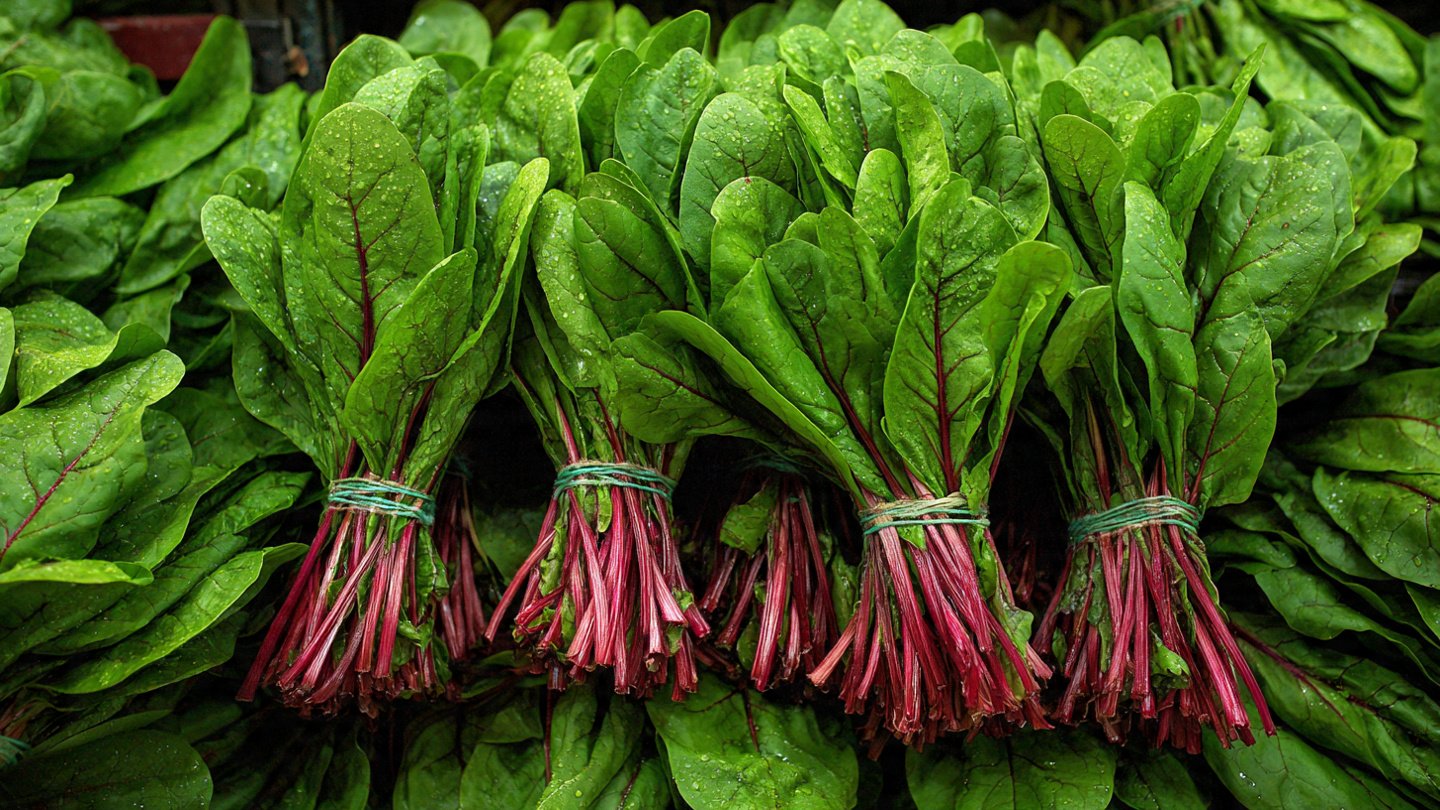
Tart sorrel (Rumex acetosa) is a vibrant and versatile perennial herb cherished in many cuisines for its distinctive sour flavor. Easy to grow and maintain, this leafy green thrives in a variety of conditions, making it an excellent choice for both novice and experienced gardeners. If you’re eager to cultivate massive bunches of tart sorrel in your home garden, this comprehensive guide will provide you with all the tips and techniques you need.
Understanding Tart Sorrel
Tart sorrel is primarily valued for its translucent green leaves, which have a sharp, tangy flavor profile reminiscent of lemon. This herb is commonly used in salads, soups, sauces, and even herbal teas. Sorrel is rich in vitamins A and C, as well as minerals like calcium and potassium, making it not just a flavorful addition to your meals but also a nutritious one.
Choosing the Right Location
When planning to grow tart sorrel, the first step is selecting the right location in your garden. Tart sorrel prefers:
- Partial Shade to Full Sun: Ideal conditions include partial shade, but it can thrive in full sun as well. Too much shade might slow growth.
- Well-Drained Soil: Sorrel thrives in loamy or sandy soils that drain well. Heavy clay soils can cause root rot.
- pH Levels: Sorrel prefers a pH between 6.0 and 7.0, so testing your soil beforehand can help ensure optimal growth.
Soil Preparation
Soil preparation is critical for growing healthy tart sorrel. Here’s how to prepare your soil:
- Tilling: Begin by tilling the soil to a depth of about 12 inches to aerate and mix in organic matter.
- Incorporating Organic Matter: Add compost or well-rotted manure to enrich the soil with nutrients. Aim for at least 2 to 3 inches of organic material spread across the planting area.
- Testing Soil: Use a soil test kit to check pH and nutrient levels. Amending soil according to the test results ensures your plants have everything they need to flourish.
Planting Tart Sorrel
Direct Seeding: One of the easiest ways to grow tart sorrel is through direct seeding. Here’s a step-by-step process:
- Wait until all threat of frost has passed—sowing can take place in spring, or you can start seeds indoors 6-8 weeks before the last expected frost.
- Create shallow furrows in the prepared soil, spacing them about 12-18 inches apart.
- Plant the seeds 1 inch apart and cover them lightly with soil.
- Water gently to avoid displacing the seeds.
- Thin seedlings to about 6 inches apart after they emerge to ensure adequate spacing for optimal growth.
Caring for Tart Sorrel
Tart sorrel requires minimal maintenance, but proper care will help you achieve massive bunches:
- Watering: Maintain consistent moisture, especially during dry spells. Sorrel prefers moist, not soggy, conditions. Water in the morning to allow the leaves to dry during the day.
- Fertilizing: Fertilize sorrel plants with a balanced fertilizer once a month during the growing season. Avoid over-fertilization as it can impair the flavor of the leaves.
- Weed Management: Regularly check for weeds and remove them promptly, as they can compete with sorrel for nutrients and water.
Harvesting Tart Sorrel
Harvesting tart sorrel correctly will encourage new growth and lead to larger, healthier bunches:
- Timing: Begin harvesting leaves when your plants are at least 6 inches tall. The leaves are most flavorful when young and tender.
- Technique: Use scissors or garden shears to cut the leaves close to the base of the plant. Avoid removing more than one-third of the plant at a time to ensure continued growth.
- Frequency: Harvest regularly, as this encourages new leaf production and prevents the plant from flowering, which can lead to a decline in leaf quality.
Pest and Disease Management
While tart sorrel is relatively pest-resistant, it can attract certain insects and diseases. Here are some common issues and management strategies:
- Insects: Watch for aphids and leaf miners. Insecticidal soap can effectively manage these pests without harming the plants.
- Diseases: Gray mold and root rot can occur in overly wet conditions. Ensure good air circulation and avoid overhead watering.
- Companion Planting: Consider planting sorrel alongside carrots or onions, which can deter some pests from affecting your plants.
Conclusion
Cultivating massive bunches of tart sorrel is a rewarding endeavor that can enrich your culinary creations with vibrant flavor and nutritional benefits. By understanding the plant’s needs in terms of location, soil preparation, maintenance, and harvesting practices, you can successfully cultivate this versatile herb right in your backyard. Remember to monitor for pests and diseases, and soon you’ll be enjoying fresh, tangy sorrel leaves in your favorite dishes!
FAQs
1. Can tart sorrel be grown in containers?
Yes, tart sorrel can be grown in containers as long as they are deep enough to accommodate the roots and have good drainage. Choose a large pot with drainage holes and use high-quality potting mix.
2. How can I store harvested sorrel?
Fresh sorrel can be stored in the refrigerator for up to a week. Wrap the leaves in a damp paper towel and place them in a plastic bag. For longer storage, consider freezing the leaves in an airtight container.
3. When is the best time to plant tart sorrel?
The best time to plant tart sorrel is in early spring after the last frost, or you can plant it in the fall in milder climates when the temperatures start to cool.
4. Can I grow tart sorrel indoors?
Yes, tart sorrel can be grown indoors in pots as long as it receives adequate sunlight, around 6 hours per day, and is watered consistently.
5. Is tart sorrel a perennial plant?
Yes, tart sorrel is a perennial herb that can return year after year if cared for properly. It generally goes dormant in the winter and re-emerges in the spring.