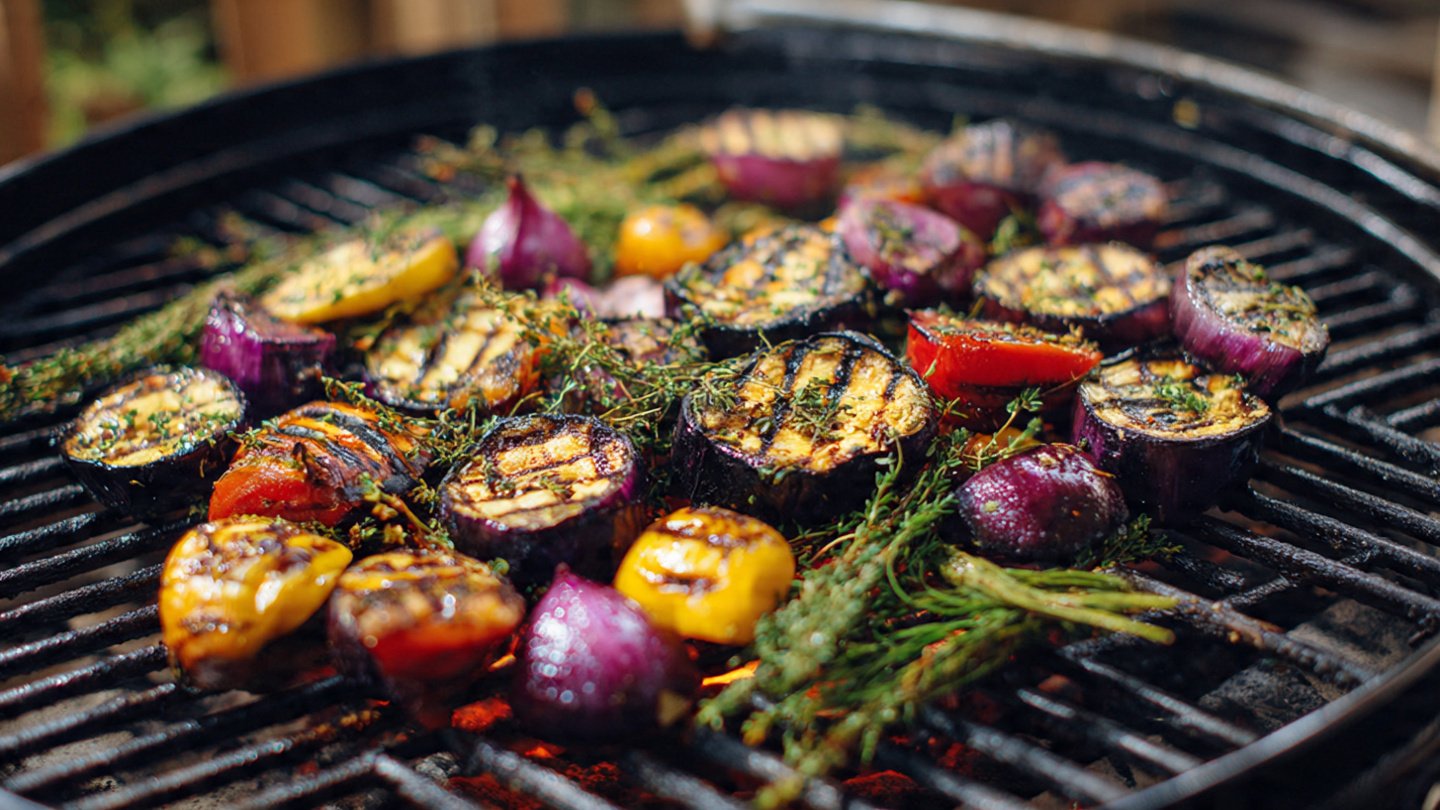
As summer approaches, the allure of grilling outdoors becomes irresistible. If you’re looking to enhance your grilling game, consider growing your own eggplant. This versatile vegetable not only adds depth and flavor to your summer meals but also brings numerous benefits to your garden and well-being. Here, we will explore the top reasons to cultivate eggplant and how it can elevate your summer grilling experience.
A Flavorful Addition to Summer Grills
Eggplants have a distinct taste and texture that can transform any dish. When grilled, they take on a smoky flavor that pairs beautifully with the season’s vibrant ingredients. Here are a few reasons why eggplant deserves a prominent place on your grill:
- Versatility: Whether you prefer classics like roasted eggplant and caponata or want to try a grilled eggplant stack, this vegetable can be adapted to a variety of recipes.
- Texture: Grilling eggplant creates a tender, creamy interior while retaining a slight char on the outside. This unique combination enhances the overall dining experience.
- Health Benefits: Eggplants are low in calories and rich in antioxidants, vitamins, and minerals, making them a healthy choice for your summer barbecue.
Easy to Grow in Home Gardens
One of the best parts about eggplant is how manageable it is to grow at home. Here’s why you should consider adding it to your garden:
- Ideal Conditions: Eggplants thrive in warm weather and require full sun, making them perfect for summer gardens.
- Minimal Space Needed: Eggplants can grow in pots or small garden beds, making them suitable for urban gardens or patios.
- Fewer Pests: While they are vulnerable to some pests, the majority can be managed using organic methods, reducing the need for harmful pesticides.
Impact on Flavor and Quality
Growing your own eggplants allows you to choose the variety that best suits your taste and cooking style. Here are a few popular varieties:
- Black Beauty: A commonly grown variety, it features glossy skin and a rich flavor.
- Japanese Eggplant: This variety is slender and has fewer seeds, making it perfect for stir-fries and grilling.
- Italian Eggplant: Known for its slightly sweet flavor, this variety is excellent for roasting or creating dishes like eggplant Parmesan.
Environmental Benefits
By growing your own eggplants, you contribute positively to the environment. Here’s how:
- Reduced Carbon Footprint: Growing vegetables at home reduces the need for transport, packaging, and refrigeration associated with store-bought produce.
- Organic Practices: Cultivating your own eggplant allows you to embrace organic gardening practices, reducing chemical runoff and harm to local ecosystems.
- Biodiversity: Growing various plants, including eggplants, supports local biodiversity, assisting in the health of your garden ecosystem.
Cost-Effective and Rewarding
Grocery store prices for high-quality eggplants can add up during peak season. By growing your own, you save money while enjoying an abundance of fresh produce. Here are some additional reasons growing your own eggplant is cost-effective:
- Start from Seeds: Seeds are relatively inexpensive, and a single packet can produce multiple plants yielding many fruits.
- Continuous Growth: Eggplants can produce continuously throughout the summer, providing fruits for weeks.
- Enhances Culinary Skills: Growing your own food encourages experimentation in the kitchen, expanding your culinary repertoire without the need for expensive ingredients.
How to Prepare Eggplant for Grilling
Now that you’re convinced to grow your own eggplants, let’s discuss how to prepare them for grilling:
- Select the Right Size: Choose eggplants that are firm and glossy. They should feel heavy for their size, indicating ripeness.
- Slice and Salt: Cut the eggplants into slices or cubes, depending on your recipe. Salt the pieces and let them sit for about 30 minutes to draw out excess moisture and bitterness.
- Rinse and Dry: After salting, rinse the eggplants under cold water and pat them dry with paper towels.
- Season: Marinade or coat the eggplant with olive oil, herbs, and spices before grilling for enhanced flavor.
Conclusion
Growing your own eggplants for summer grilling is a rewarding endeavor that offers multiple benefits. From enhancing the flavor of your meals to providing economic and environmental advantages, homegrown eggplants offer a delightful way to improve your summer grilling experience. With minimal space and effort required, there’s no better time to start cultivating these versatile vegetables.
FAQs
1. When is the best time to plant eggplants?
Eggplants are typically planted after the last frost, usually in late spring when temperatures start to consistently warm up.
2. How much sun do eggplants need?
Eggplants require full sun, which means at least 6-8 hours of direct sunlight per day for optimal growth.
3. How do you know when eggplants are ready to harvest?
Eggplants are ready to harvest when they are shiny, firm, and have reached the desired size for their variety. The skin should spring back when pressed lightly.
4. Can you grill eggplant without salting it first?
While salting helps reduce bitterness, you can grill eggplant without this step. Just be sure to select young, tender fruits for a better flavor.
5. What dishes can I make with grilled eggplant?
Grilled eggplant can be used in salads, sandwiches, pasta dishes, or enjoyed as a side dish with olive oil and herbs.