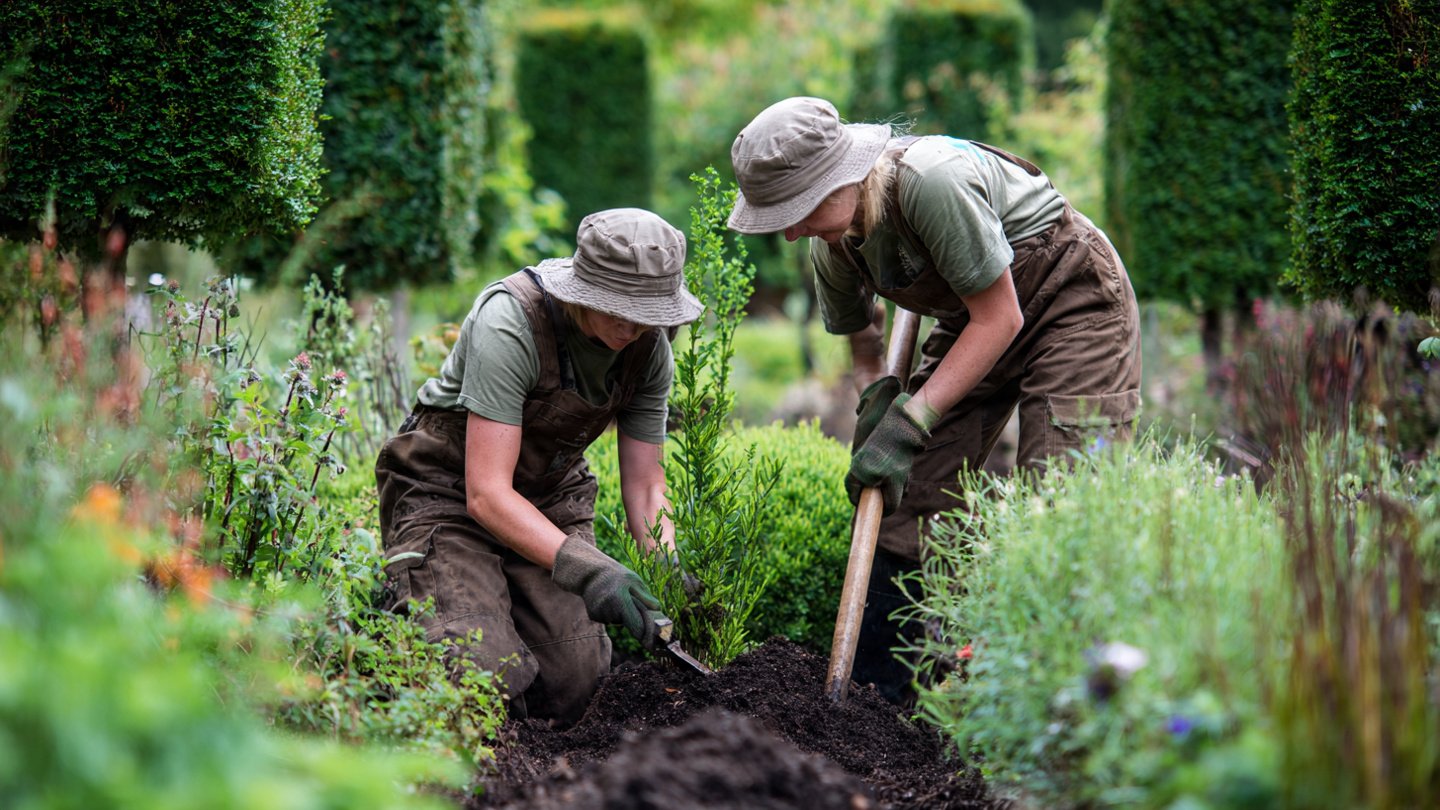
Gardeners, whether amateur or professional, often seek tools that can streamline their planting processes and improve the overall success of their efforts. One such tool that has withstood the test of time is the dibber. A dibber is a simple yet effective hand tool designed to create holes in the soil for planting seeds or seedlings. This article explores how professional gardeners utilize this instrument to enhance planting success, delve into various types of dibbers, their proper use, and fundamental benefits.
1. The Anatomy of a Dibber
A dibber is typically a pointed stick or tool, traditionally made from wood, but now available in various materials, including metal and plastic. Its design is straightforward: a tapered point at one end and a handle at the other, providing the user with adequate grip and leverage. The pointed end allows gardeners to easily penetrate the soil, creating a perfectly sized hole for the plants. Understanding its structure helps in optimizing the use of a dibber.
2. Types of Dibbers
Professional gardeners use different types of dibbers, each suited for specific planting needs:
- Traditional Dibber: Often made of wood, this classic tool is versatile and can be used for a range of plants.
- Metal Dibber: These are durable and can penetrate harder soils, making them ideal for tougher planting conditions.
- Adjustable Dibber: These come with a mechanism to change the depth of the hole, allowing for precise planting of varying seed sizes.
- Multi-Purpose Dibber: Some dibbers incorporate other functions like measuring, making them great for multi-tasking in the garden.
3. Techniques for Using a Dibber
Professional gardeners employ specific techniques to maximize the effectiveness of a dibber during planting:
3.1 Preparing the Soil
Before using a dibber, it’s crucial to prepare the soil. This might include:
- Tilling the area to loosen compacted soil.
- Removing any weeds or debris that may impede planting.
- Ensuring the soil is moist but not overly wet, as this makes dibbing easier.
3.2 Choosing the Right Depth
The depth of the holes created by the dibber is vital for plant success. Professional gardeners consider:
- The type of seed or plant, as different species have different planting depth requirements.
- Soil type, which can affect moisture retention and root development.
Using an adjustable dibber can help achieve the necessary depths consistently.
3.3 Creating Uniform Holes
Professional gardeners strive for uniformity in hole sizes and spacing. This can be achieved by:
- Using a measuring tool or guide alongside the dibber to maintain consistent spacing between the plants.
- Applying even pressure to ensure that holes are uniformly shaped.
3.4 Planting with Care
Once holes are created, it’s essential to plant the seeds or seedlings carefully:
- Placing seeds at the correct depth and orientation (for instance, roots downward and stems upwards).
- Gently covering the seeds with soil to ensure good contact with moisture.
4. Benefits of Using a Dibber
Professional gardeners appreciate the many advantages of using a dibber:
4.1 Enhanced Accuracy
Using a dibber allows for precise hole placement, ensuring that each seed or seedling has the best chance of survival by being planted at the right depth and location.
4.2 Reduced Soil Disturbance
Dibbers create minimal disturbance to the surrounding soil compared to digging with a spade or hoe, which can preserve the beneficial microorganisms in the soil.
4.3 Improved Germination Rates
Accurate planting depth can significantly enhance germination rates, as seeds are placed in optimal conditions for growth, reducing the likelihood of them being washed away or exposed to harsh conditions.
4.4 Ergonomic Benefits
The design of a dibber allows gardeners to use it with ease, reducing strain on the back and joints compared to more strenuous planting methods.
5. Conclusion
In conclusion, the humble dibber is an indispensable tool in the arsenal of professional gardeners. Its design, ease of use, and effectiveness in enhancing planting success cannot be overstated. By understanding how to use a dibber effectively, gardeners can better prepare their soil, plant accurately, and ultimately enjoy healthier and more productive gardens. Whether you are a novice or a seasoned gardener, incorporating a dibber into your planting routine can undoubtedly lead to more successful gardening outcomes.
FAQs
Q1: Can I make my own dibber at home?
A1: Yes, making a dibber at home is quite simple. A sturdy stick or dowel can be sharpened on one end to create a basic dibber. Just ensure it’s comfortable to use and the pointed end can penetrate the soil easily.
Q2: Is a dibber suitable for all types of soil?
A2: While dibbers are effective in most soil types, excessively hard or compacted soil may require additional moisture or loosening before using a dibber.
Q3: How deep should I plant seeds using a dibber?
A3: The planting depth depends on the type of seed. As a general rule, seeds should be planted at a depth about twice their diameter. Always check specific guidelines based on the seed type.
Q4: Can dibbers be used for planting bulbs?
A4: Yes, dibbers are great for planting bulbs. Just ensure that the holes are deep enough as specified for the bulb type, and plant with the pointed end facing upwards.