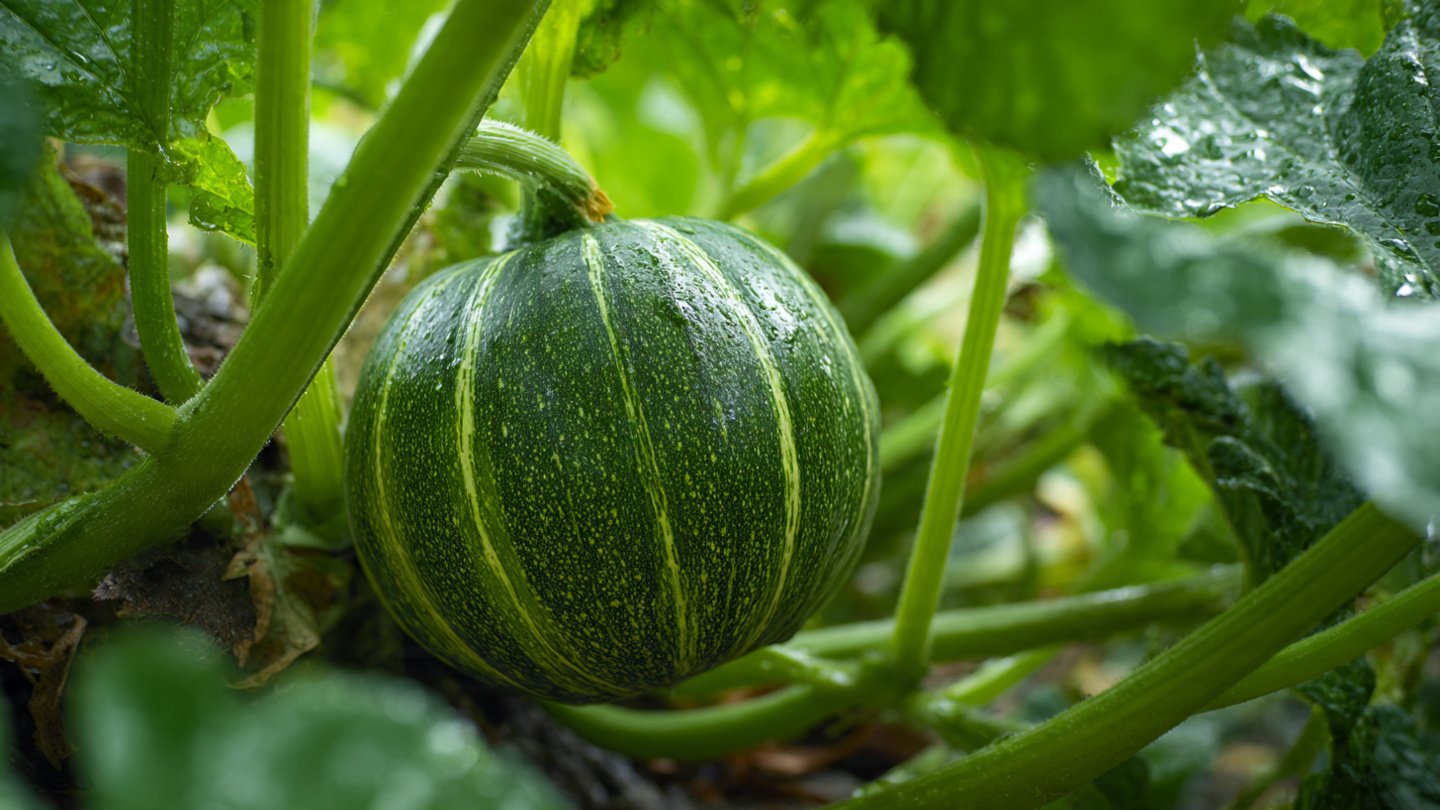
When it comes to cultivating winter squash, enthusiasts often marvel at the abundance of varieties and flavors available. However, for those who wish to grow their own crops, understanding the specific requirements for successful cultivation is crucial. Properly cared for, winter squash can produce robust, flavorful fruits that last well into the cold months. The key to achieving this involves a combination of factors, including soil conditions, plant care, pest management, and harvesting practices.
To start with, the foundation of any healthy garden is its soil. Winter squash thrives in well-drained, nutrient-rich soil with a pH level ideally between 6.0 and 6.8. Conducting a soil test before planting is advisable, as this will reveal essential information about nutrient levels and pH balances. If the pH is too high or too low, amendments such as lime or sulfur can help adjust it. Organic matter, such as compost, should be incorporated into the soil prior to planting; this not only improves soil structure but also enhances its nutrient content, enabling the squash plants to develop strong root systems.
Climate plays a significant role in the thriving of winter squash. These plants prefer warm temperatures, typically best cultivated in USDA hardiness zones 3 through 10. Squash seeds should be planted after the last frost, when the soil temperature reaches at least 60°F (15°C). For regions with shorter growing seasons, starting seeds indoors can offer a head start before transplanting them outside. Growers might consider using row covers or black plastic mulch to help warm the soil in cooler climates.
Once the conditions are set, adequate spacing is essential for healthy growth. Winter squash plants are sprawling vines that need ample room to expand and receive direct sunlight. Depending on the variety, expect to space seeds 3 to 5 feet apart in rows that are 5 to 6 feet apart. Proper airflow is vital to prevent fungal diseases, which can thrive in crowded conditions. Regularly monitoring foliage for any signs of disease will help mitigate issues early on.
Watering is another critical aspect that can significantly influence the success of winter squash. These plants typically require about 1-2 inches of water per week, particularly during dry spells or heat waves. It’s essential to focus on deep watering methods, such as drip irrigation or soaker hoses, to encourage deep root growth. Overhead watering can lead to problems with mold and mildew, especially if the foliage remains wet. Watering early in the day helps minimize evaporation losses and ensures that plants can absorb moisture effectively.
Fertilization also warrants attention as winter squash can be heavy feeders. During the growing season, applying a balanced fertilizer that is rich in nitrogen, phosphorus, and potassium can support vigorous plant development and fruit production. An application right before flowering and another during fruit development can help maximize yield. Organic options, such as fish emulsion or aged manure, can also be effective, providing a slow-release of nutrients while enhancing soil health.
Pest management is a crucial element when growing winter squash. Common pests include aphids, squash bugs, and cucumber beetles, which can damage plants or transmit diseases such as bacterial wilt. Implementing organic pest control methods, such as introducing beneficial insects, using insecticidal soaps, or applying neem oil, can help keep pest populations in check. Companion planting can also be a highly effective strategy; for instance, planting marigolds nearby may help deter pests naturally.
Fungal diseases, such as powdery mildew and downy mildew, can be challenging to manage as well. Selecting resistant varieties of squash can minimize this risk. Ensuring good airflow around the plants and practicing crop rotation also help reduce disease incidence. Organic fungicides may be used as a last resort if problems become overwhelming.
Harvesting winter squash at the right time is essential to ensure quality and longevity. Typically, squash are ready for harvest when the skin is hard and the stem turns brown and begins to dry out. A fingernail test can also help; if you press a fingernail into the skin and it doesn’t puncture, the squash is likely ready. Harvesting should be done on a dry day to prevent moisture from lingering on the fruit, which could lead to rot.
Once harvested, proper storage is critical for preserving the fruits and extending their shelf life. Winter squashes do best in a cool, dark area with low humidity, such as a basement or cellar. Ideally, the temperature should be maintained between 50°F and 55°F (10°C to 13°C) and squash should be kept off the ground, ideally on shelves or crates, to allow for proper airflow. Regularly checking on stored squash can also catch any signs of deterioration early, allowing for timely intervention.
In conclusion, growing the perfect long-keeping winter squash involves a comprehensive understanding of several horticultural principles. From soil preparation and climate considerations to plant care and pest management, every step plays a significant role in a bountiful harvest. A careful emphasis on timing—when to plant, water, fertilize, monitor for pests, and ultimately harvest—will yield the best results. With dedication and attention to detail, anyone can cultivate winter squash that not only thrives in the garden but also brings joy and nourishment through the winter months.