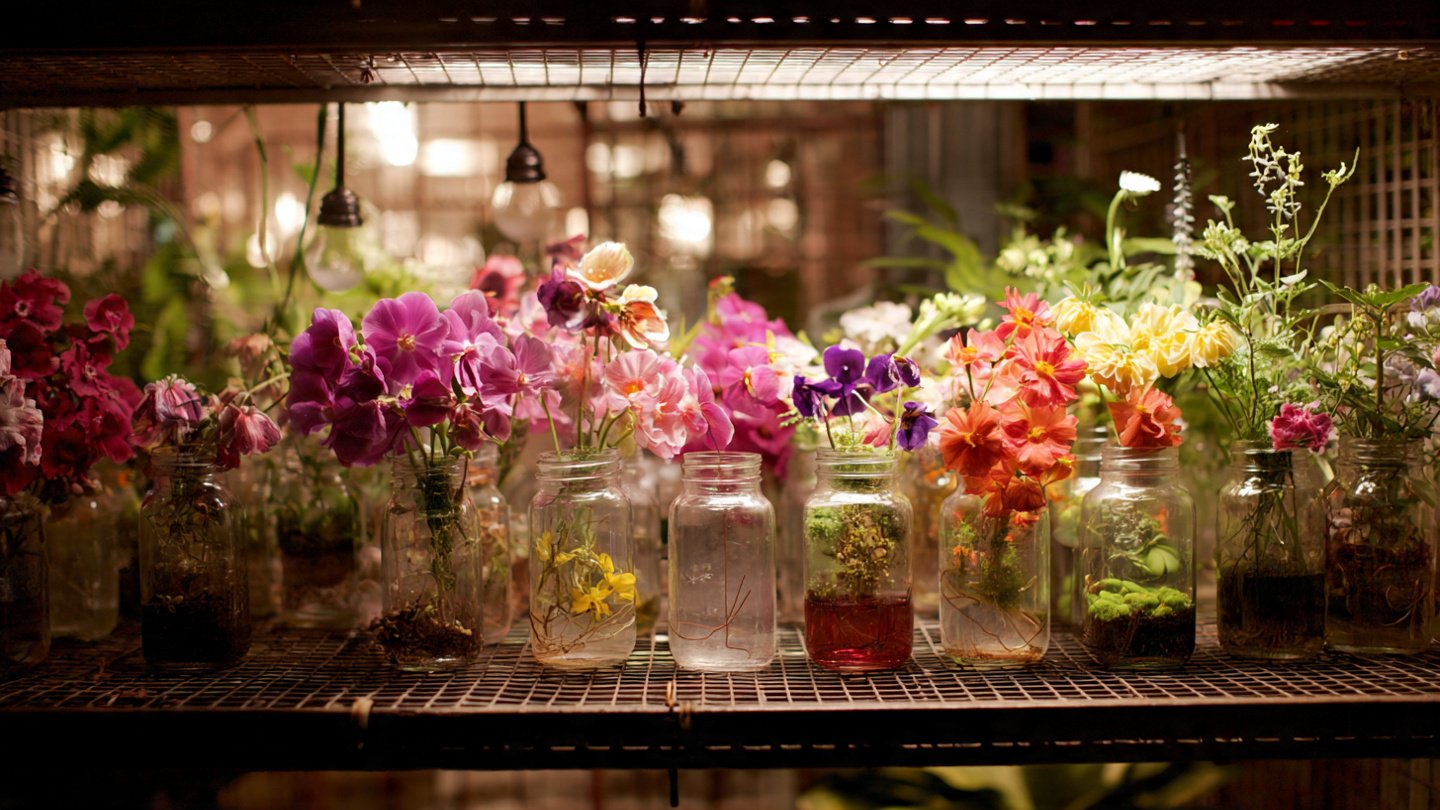
Creating a propagation station for flowers can be both rewarding and fulfilling, especially if you are limited by space. Whether you are situated in a small apartment, have a balcony garden, or simply want to maximize the potential of your indoor gardening, knowing which flowers thrive in compact environments is crucial. This article delves into various flowers that not only adapt well to smaller areas but are also easy to propagate.
Understanding the Concept of Propagation Stations
A propagation station is typically a designated area where you can grow new plants from cuttings or seeds. It involves relatively simple techniques that can yield beautiful blooms with minimal investment. Understanding which flowers are best suited for small spaces is essential for creating an effective propagation station.
Benefits of a Small Space Propagation Station
- Space Optimization: Utilizing vertical space and small pots effectively.
- Cost-Effective: Growing your own flowers can save money over time.
- Control Over Environment: Easier to manage conditions like light and moisture.
- Variety of Options: A range of flowers can thrive in limited conditions.
Best Flowers for Small Space Propagation Stations
1. Succulents
Succulents are a popular choice for small spaces due to their compact growth habit and low maintenance. Varieties such as Echeveria, Haworthia, and Jade plants propagate easily from leaf cuttings or offsets. They thrive in bright light, making them perfect for windowsills.
2. Pansies
Pansies are delightful flowers that come in various colors. They can be propagated from seeds, and due to their small size, they can be easily grown in pots or containers. Pansies flourish in cool weather, making them perfect for early spring or fall displays.
3. Geraniums
Geraniums are not only hardy but also versatile. They flower profusely and can be propagated through stem cuttings. They do well in both pots and hanging baskets, and their vibrant colors can brighten up any small space.
4. African Violets
African Violets are excellent flowering houseplants that can thrive in limited space. They can be propagated from leaf cuttings and generally prefer indirect sunlight and humidity, making them ideal for indoors.
5. Sweet Alyssum
This low-growing flower has a delightful fragrance and can be an excellent choice for hanging planters or window boxes. Sweet Alyssum can easily be propagated from seeds and will thrive in sunny conditions.
6. Marigolds
Marigolds not only look beautiful but also provide the benefit of pest control in your garden. They are simple to grow from seeds, which can be sown in small pots. With a vibrant palette of orange and yellow, they can brighten any space.
7. Impatiens
Impatiens are shade-loving flowers that thrive in lower light conditions, making them perfect for indoor propagation. They can be propagated from stem cuttings and survive well in small pots, giving great color indoors.
Setting Up Your Small Space Propagation Station
Creating an effective propagation station requires some basic planning and organization:
Step 1: Choose the Right Location
Find a spot in your home that receives adequate light—ideally near a window that offers filtered sunlight. Alternatively, consider using grow lights if natural light is limited.
Step 2: Use the Right Containers
Opt for pots or containers that are appropriately sized for the flowers you choose. Small pots, jars, or even recycled containers can work effectively for propagation.
Step 3: Ensure Good Drainage
Good drainage is essential to prevent root rot. Use pots with holes at the bottom and consider mixing perlite or gravel with your potting soil for improved drainage.
Step 4: Keep Humidity in Check
Some plants thrive in high humidity, so consider using clear plastic bags to create a ‘mini greenhouse’ around your newly propagated plants. This can help maintain moisture levels.
Step 5: Monitor and Care for Your Plants
Water your cuttings selectively and monitor them for signs of growth. Be attentive to factors like light, temperature, and moisture, as they are crucial in the early stages of plant growth.
Common Problems and Solutions
While propagation can be rewarding, it’s not without its challenges. Here are some common problems you may encounter and tips for addressing them:
- Poor Rooting: If your cuttings aren’t rooting, check the moisture level of the soil. Too much water can lead to rot, while too little can halt growth.
- Leggy Growth: If plants appear elongated, they may not be receiving enough light. Move them closer to a light source or use grow lights.
- Pests: Keep an eye out for common pests like aphids and spider mites. Neem oil or insecticidal soap can be effective in treating infestations.
Conclusion
Having a small space should never limit your gardening aspirations. With the right choice of flowers and careful planning, your propagation station can yield stunning blooms and even become a source of joy and tranquility in your life. From low-maintenance succulents to colorful pansies, the flowers listed in this article are excellent options that thrive in small spaces. Take the plunge, set up your station, and enjoy the beauty of nature right in your home.
FAQs
1. What is the best time of year to start a propagation station?
The best time to start a propagation station is during the spring or early summer when plants are in their active growing phases. This will increase the chances of successful propagation.
2. Can I propagate flowers from store-bought plants?
Yes! Many store-bought plants can be propagated from cuttings, provided they are healthy and disease-free. Always check the specific propagation method for your chosen flower.
3. How often should I water my propagated flowers?
Watering frequency will depend on the plant type and environmental factors. Generally, keep the soil moist but not soggy. It’s better to underwater than overwater when starting cuttings.
4. Do I need special tools for propagation?
While not necessary, tools like sharp scissors or pruning shears can help make cleaner cuts, ensuring a higher chance of successful rooting.
5. How do I know when my cuttings are ready to be potted?
Cuttings are typically ready to be potted when they have developed a healthy root system, generally visible after a few weeks. Look for roots that are at least a couple of inches long.