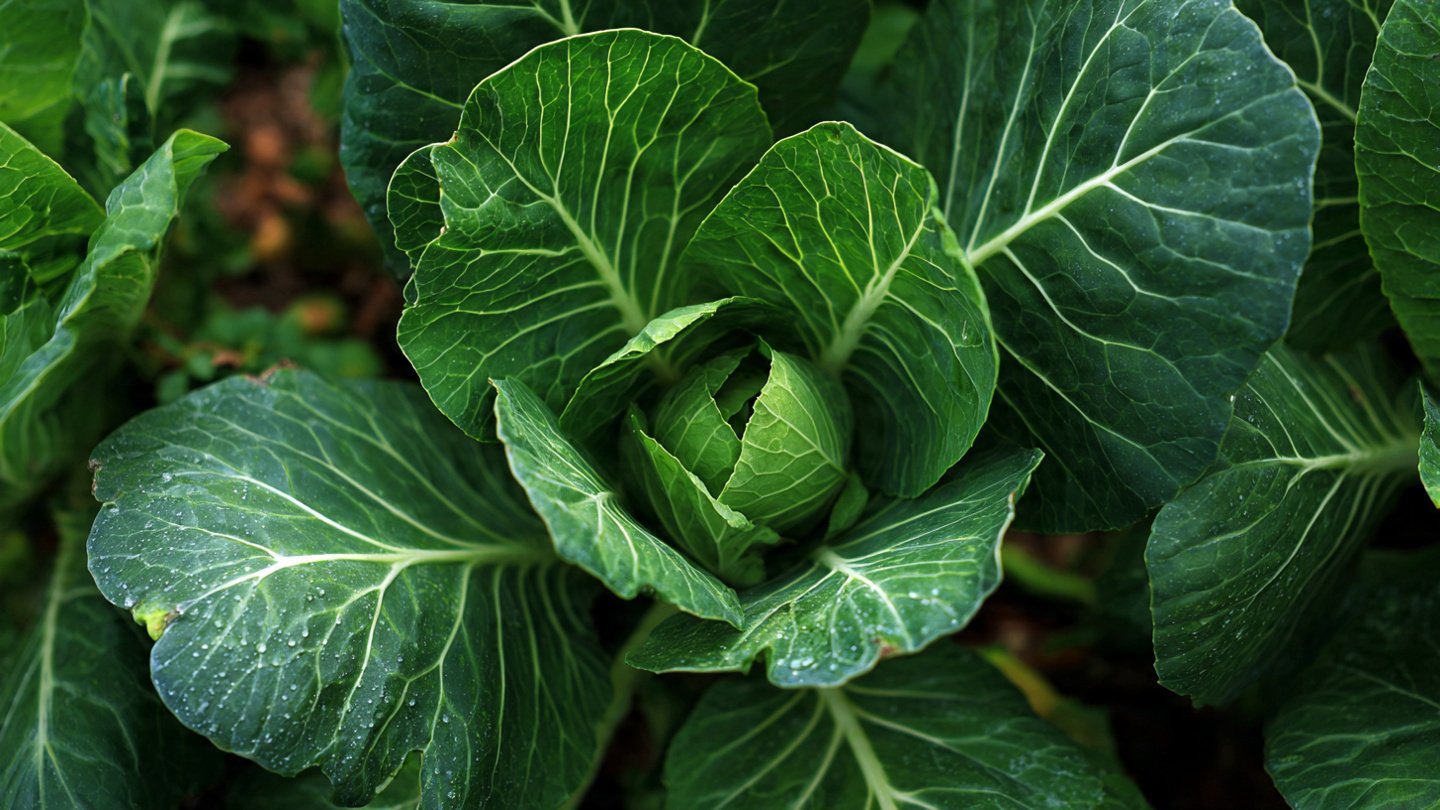
Collard greens, a staple in Southern cooking, are not only delicious but also packed with nutrients. Known for their large, dark green leaves, these leafy greens thrive in a variety of conditions and offer bountiful yields. If you want to grow huge bunches of collard greens in your garden, you’re in luck! This article will explore essential tips and secrets to growing a prosperous crop of collard greens.
Understanding Collard Greens
Collard greens belong to the Brassica family, which includes other popular greens such as kale and cabbage. They are biennial plants, typically grown as annuals, that grow best in cool weather. The ideal growing season for collard greens is in spring or fall, as they tend to bolt in hot or humid conditions.
Choosing the Right Variety
Selecting the right variety of collard greens can make a significant difference in your success. Popular varieties include:
- Vates: Known for its heat resistance and dark green, crinkled leaves.
- Georgia Southern: A classic Southern variety that grows tall and produces massive leaves.
- Champion: A variety that is known for its tenderness and quick growth.
Choose a variety that suits your climate and gardening conditions for optimal growth.
Preparing Your Soil
Healthy soil is the foundation of a successful garden. Collard greens prefer well-draining soil rich in organic matter. Here’s how to prepare your garden bed:
Soil Testing
Before planting, conduct a soil test to determine pH and nutrient levels. Collards thrive in pH levels between 6.0 and 7.5. Adjust your soil accordingly with lime or sulfur, if needed.
Amending the Soil
Add plenty of organic matter to the soil, such as compost or well-rotted manure. This not only improves soil structure but also provides essential nutrients to the plants.
Optimal Planting Conditions
The success of your collard greens greatly depends on when and how you plant them.
Sunlight Requirements
Collard greens thrive in full sun but can tolerate partial shade. For the best growth, aim for at least 6 hours of sunlight per day.
Spacing and Depth
When planting collards, space your seeds or seedlings about 18-24 inches apart in rows that are 36 inches apart. This gives the plants enough room to grow without competing for nutrients or sunlight.
Planting Times
In most climates, collards can be planted in early spring or late summer for a fall harvest. They can withstand frost, making them ideal for a fall garden. If you live in a warmer climate, consider planting in the fall for winter harvest.
Watering and Fertilization
Proper watering and fertilization are crucial for growing huge bunches of collard greens.
Watering Practices
Collards require consistent moisture, especially during dry spells. Water deeply at least once a week, ensuring the soil remains uniformly moist but not saturated. Avoid watering the leaves directly to prevent fungal diseases.
Fertilization
Feed your collard greens with a balanced fertilizer once they are well-established. A 10-10-10 or similar formula will provide the necessary nutrients for robust growth. Apply fertilizer every 4-6 weeks to keep them thriving.
Pest and Disease Management
Collard greens can attract pests such as aphids, cabbage moths, and correspondingly face diseases. Here are strategies to manage these challenges:
Pest Control
Regularly inspect your plants for any signs of pests. Use organic insecticidal soap or neem oil as appropriate. Encouraging beneficial insects like ladybugs can also help control pest populations.
Disease Prevention
Maintain good air circulation around your plants to prevent fungal diseases. Rotate crops yearly to minimize soil-borne diseases. If you notice any diseased leaves, remove them immediately to prevent spread.
Harvesting Collard Greens
Knowing when and how to harvest collard greens is essential for enjoying their flavor at its peak.
Harvesting Techniques
Start harvesting collard greens when the leaves are young and tender, typically around 6-8 weeks after planting. Use scissors or garden shears to cut the outer leaves, leaving the inner leaves to continue growing. Never remove more than one-third of the plant at a time to ensure continued growth.
Tips for Growing Huge Bunches
To achieve those huge bunches of collard greens, follow these extra tips:
Monitor Growth
Keep an eye on your plants to ensure they receive adequate moisture, nutrients, and sunlight. Regularly check for signs of pests or disease and address issues promptly.
Optimal Harvest Timing
For the largest leaves, harvest before the plants flower. Once they start to bolt, the leaves will become tougher and less tasty.
Continuous Planting
Consider a staggered planting schedule so that you can enjoy fresh collard greens throughout the growing season. This method also helps in preventing pest issues.
Conclusion
Growing huge bunches of collard greens requires strategy, care, and attention to detail. By selecting the right variety, preparing your soil, adhering to optimal planting conditions, and practicing proper maintenance, you can enjoy a bountiful harvest. Whether you’re a seasoned gardener or a beginner, these secrets can help elevate your collard greens to new heights!
FAQs
1. How long do collard greens take to mature?
Collard greens typically take about 60 to 85 days to mature, depending on the variety and growing conditions.
2. Can collard greens be grown in containers?
Yes, collard greens can be successfully grown in large containers. Ensure the container has good drainage and use quality potting soil.
3. What is the best way to store collard greens?
Store collard greens in the refrigerator in a plastic bag. They typically last about a week. For longer storage, consider blanching and freezing them.
4. Can I grow collard greens in hot weather?
Collard greens prefer cooler temperatures but can be grown in hot weather if provided with adequate water and partial shade. Bolting is common in extreme heat, so plant in the early or late growing season.
5. Are collard greens annual or perennial?
Collard greens are biennial plants, meaning they complete their life cycle in two years, but they are generally grown as annuals for consistent harvests each season.