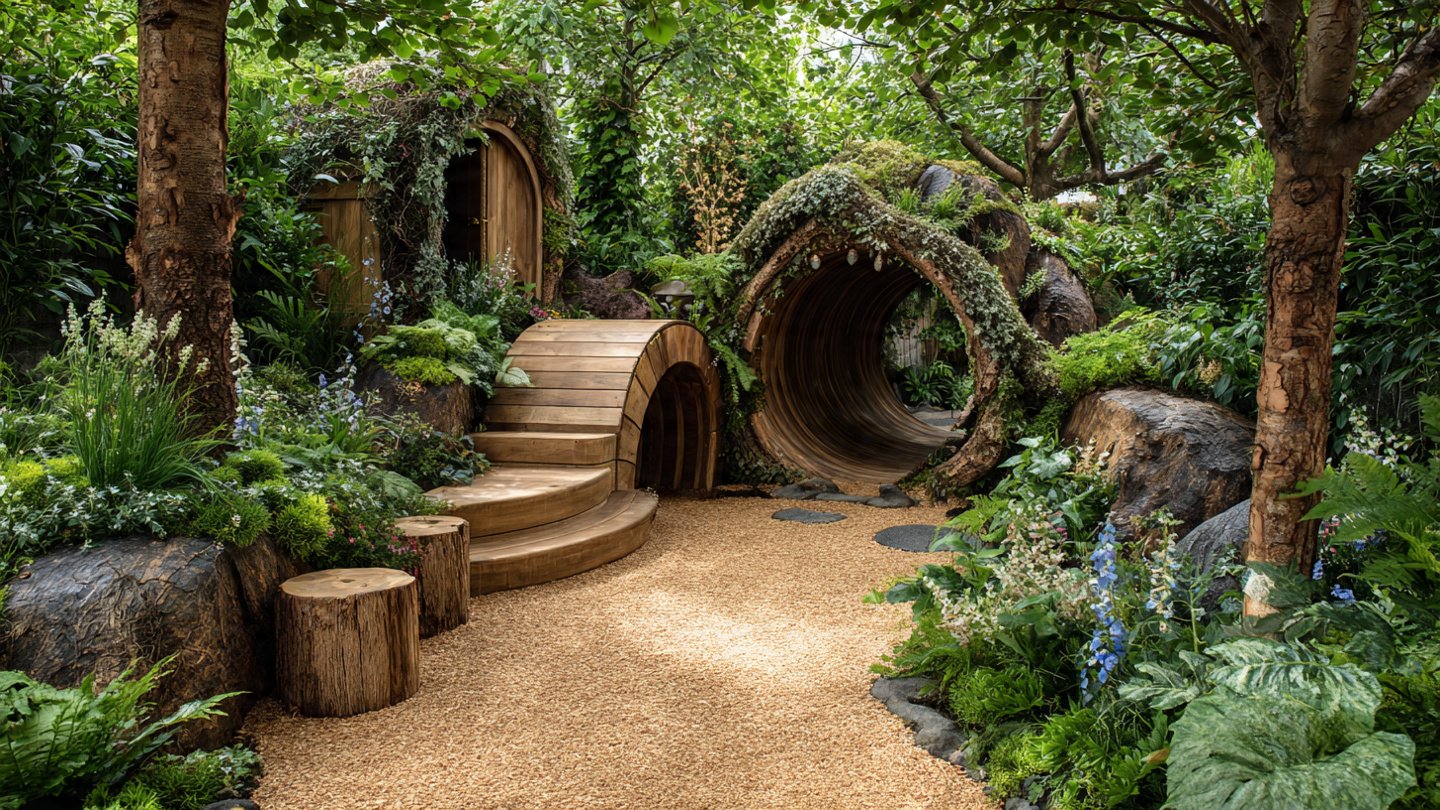
Creating a sensory path in a small yard is an innovative way to encourage children to engage with their environment through exploration and play. A sensory path is a designated area that incorporates various elements designed to stimulate children’s senses, from touch to sound to sight. In this article, we will explore various engaging elements that can transform your small yard into an immersive sensory experience for children. These activities promote cognitive development, motor skills, and creativity while ensuring children have fun.
Understanding Sensory Play
Sensory play refers to any activity that stimulates a child’s senses. It typically involves activities that require children to touch, taste, see, hear, and smell. The significance of sensory play in childhood development cannot be overstated:
- Cognitive Development: Engaging in sensory play allows children to explore the world around them, enhancing their problem-solving skills and stimulating cognitive growth.
- Motor Skills: Many sensory activities involve physical engagement, which promotes the development of fine and gross motor skills.
- Social Interaction: Sensory paths often encourage collaborative play, bolstering social skills and friendships.
Creating a sensory path is an exciting endeavor, and even a small yard can be a fantastic space for such a project. Here are several engaging elements to consider when designing your sensory path.
Engaging Elements for a Sensory Path
1. Textured Surfaces
Incorporating a variety of textured surfaces is essential for sensory exploration. You can achieve this by including:
- Stepping Stones: Use stones of different sizes and materials (smooth, rough) to create pathways.
- Sand or Gravel: Create a small area where children can walk barefoot in sand or soft gravel.
- Wooden Planks: Incorporate wooden paths that vary in thickness and finish to provide contrasting textures.
2. Natural Elements
Utilizing natural elements can enhance a sensory path and connect children with nature. Consider adding:
- Plants and Flowers: Incorporate fragrant flowers and plants that children can touch and smell. Herbs like lavender, mint, or rosemary are excellent choices.
- Water Features: A small pond, fountain, or a splash pool can introduce the element of sound and create a calming atmosphere.
- Tree Stumps: Use tree stumps as seats, climbing elements, or imaginative play tools.
3. Movement Elements
Incorporating equipment that encourages movement is crucial for developing physical skills. Elements to consider include:
- Balance Beams: Installing a low balance beam can help improve balance and coordination.
- Slides or Climbing Structures: Compact slides or climbing structures can add excitement while facilitating physical exercise.
- Stepping Logs: Arrange logs in a way that allows for hopping, balancing, and jumping.
4. Musical Instruments
The outdoors is a great setting for musical exploration. Adding musical elements can enrich the sensory path with sound:
- Wind Chimes: Hang wind chimes from trees or structures to create soothing sounds in the breeze.
- Outdoor Drums: Introduce drums or percussion instruments that children can play with, encouraging creativity and collaboration.
- Xylophones or Metalophones: Install simple xylophones on posts for kids to strike with mallets.
5. Visual Stimuli
A sensory path should also engage children’s sense of sight. You can incorporate:
- Colorful Art: Use outdoor chalkboards for children to express their creativity, or paint large murals on fences.
- Reflective Surfaces: Install mirrors or reflective panels that can create dynamic visual experiences.
- Brightly Colored Pathways: Use colorful gravel or paint to create distinct paths that attract attention and guide movement.
6. Aromatic Elements
Addressing the sense of smell can create a welcoming atmosphere for sensory exploration. Consider adding:
- Herb Garden: A small herb garden with mint, basil, or thyme allows children to smell different scents while learning about plants.
- Fragrant Flowers: Incorporating colorful, aromatic flowers like chrysanthemums or jasmine can heighten the sensory experience.
- Scented Playdough: Create seasonal playdough that can be used in sensory activities, infusing it with different scents like vanilla or cinnamon.
Implementing Your Sensory Path
Once you have selected the engaging elements to include in your sensory path, it is time to set it up:
- Plan Your Layout: Design a layout considering the available space, the flow of movement, and safety. Ensure that the space is easy to navigate.
- Use Safe Materials: Choose durable and non-toxic materials for all elements, especially those that children might touch or taste.
- Engage Children: Involve children in the design and setup process, allowing them to express their preferences and creativity.
Conclusion
Transforming a small yard into a sensory path for children can create a vibrant and engaging environment that fosters exploration, learning, and social interaction. By incorporating textured surfaces, natural elements, movement equipment, musical instruments, visual stimuli, and aromatic features, parents and caregivers can craft a unique space that appeals to all senses. This sensory path not only provides educational benefits but also creates memorable experiences for children, encouraging them to appreciate the beauty of the outdoors. Embrace the fun of sensory play and watch as children thrive in a world tailored for their exploration!
FAQs
Q1: How much space is needed for a sensory path?
A1: A sensory path can be adapted to fit any available space, even small yards. The key is to prioritize creativity and utilize vertical and horizontal space effectively.
Q2: What age group can enjoy a sensory path?
A2: Sensory paths are beneficial for children of all ages, from toddlers to older kids. Parents should ensure that elements are age-appropriate and safe.
Q3: How can I maintain the sensory path over time?
A3: Regular maintenance involves checking for safety hazards, replacing worn-out elements, and refreshing plants or surfaces as needed to keep the path inviting. Regular cleaning will also enhance the sensory experiences.
Q4: Can I include sensory elements indoors?
A4: Absolutely! Many sensory activities can be adapted for indoor environments, utilizing similar elements like textured mats, musical instruments, and art supplies. Sensory play can be brought both inside and outside to enrich children’s experiences.