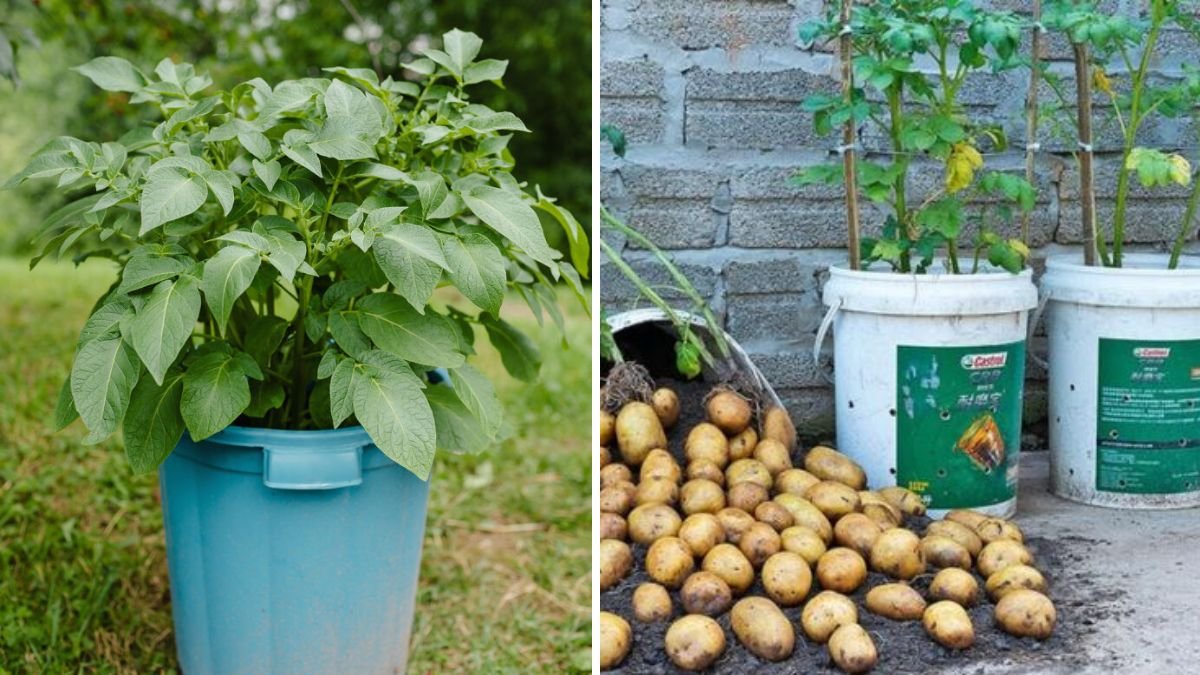
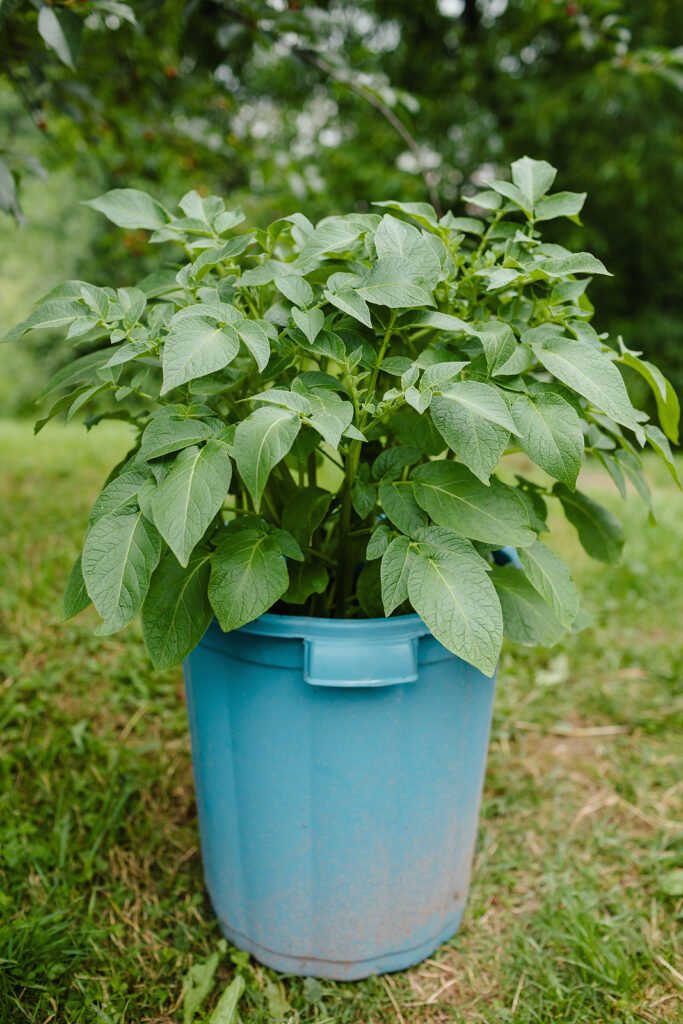
Potatoes are one of the most versatile and beloved vegetables worldwide. They’re nutritious, delicious, and can be grown in a surprisingly small space—yes, even in a simple bucket! Homegrown potatoes are fresher and more flavorful than store-bought ones, and growing them in containers is a perfect solution for those with limited garden space. In this guide, we’ll take you step-by-step through growing potatoes in a bucket, sharing tips for a healthy, abundant harvest.
Why Grow Potatoes in a Bucket?
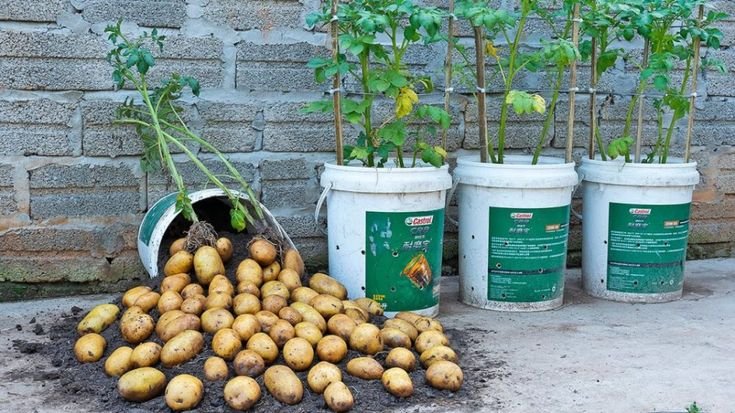
Container gardening has become increasingly popular for urban dwellers, balcony gardeners, and anyone looking to grow food in small spaces. Growing potatoes in a bucket offers several advantages:
- Space-Saving: Perfect for patios, balconies, or small gardens.
- Mobility: Buckets can be moved to catch the sun or avoid harsh weather.
- Soil Control: You can provide nutrient-rich soil and avoid soil-borne diseases.
- Ease of Harvest: Simply tip the bucket or remove layers to harvest potatoes without digging up the entire plant.
With just a few materials and some care, anyone can enjoy fresh potatoes from their homegrown bucket garden.
Materials You’ll Need
Before you start, gather the following items:
- A bucket or container: A 10–15 gallon bucket works best. Ensure it has drainage holes at the bottom.
- Seed potatoes: Choose certified disease-free seed potatoes for the best results. Avoid grocery store potatoes treated with sprout inhibitors.
- Potting mix or garden soil: Use well-draining soil rich in organic matter.
- Compost or organic fertilizer: Provides essential nutrients for healthy growth.
- Watering can or hose: For consistent watering.
- Optional: Mulch to retain moisture and reduce weeds.
Step-by-Step Guide to Growing Potatoes in a Bucket
Step 1: Prepare the Seed Potatoes
Seed potatoes are small potatoes or potato pieces with at least one or two “eyes,” which are the sprouts. If your seed potatoes are large, cut them into smaller pieces, making sure each piece has one or two eyes. Allow them to dry for 1–2 days before planting to reduce the risk of rot.
Step 2: Prepare the Bucket
Make sure your bucket has drainage holes. Poor drainage can cause waterlogging, leading to rot. Place a layer of small stones or broken terracotta at the bottom to improve drainage, though this is optional if the soil drains well.
Step 3: Add Soil and Plant Seed Potatoes
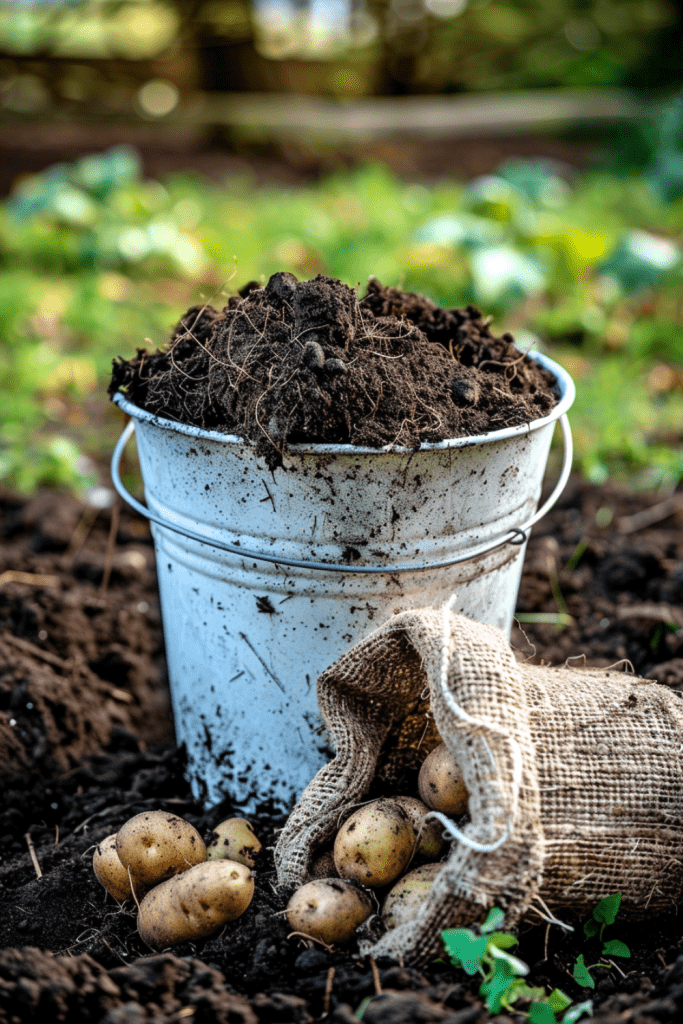
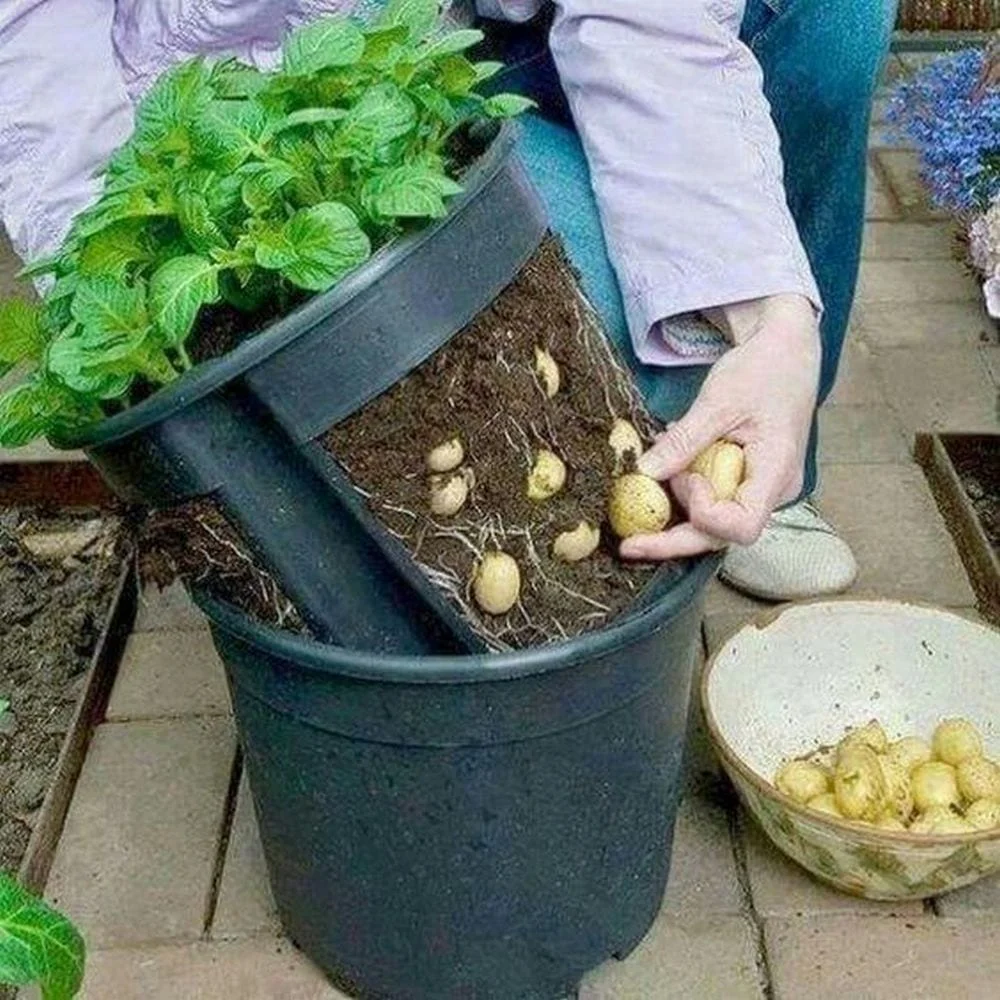
Start by adding 4–6 inches of potting soil mixed with compost at the bottom of the bucket. Place the seed potatoes on top of the soil with the eyes facing up. Cover them with another 4 inches of soil. This method, called “layering,” allows potatoes to grow along the buried stems.
Step 4: Watering
Water the soil gently but thoroughly after planting. Keep the soil consistently moist, but not soggy. Overwatering can cause the seed potatoes to rot, while underwatering can hinder tuber formation.
Step 5: Hilling the Potatoes
As the potato plants grow, continue adding soil or compost to cover the stems, leaving the top leaves exposed. This process is called “hilling” and encourages the growth of more tubers along the buried stems. Repeat this process every few weeks until the bucket is full or the plant reaches the top.
Step 6: Provide Sunlight and Care
Potatoes need at least 6–8 hours of direct sunlight per day. Place your bucket in a sunny location. Monitor the plants for pests like aphids or potato beetles, and remove any yellowing leaves to maintain plant health. Fertilize with a balanced organic fertilizer if needed to promote strong growth.
Step 7: Harvesting Your Potatoes
Potatoes are ready to harvest when the plants flower and the foliage starts to yellow and die back. You can harvest “new potatoes” earlier by gently digging around the sides of the bucket. For mature potatoes, empty the bucket by tipping it over or removing layers of soil. Brush off excess dirt and let them dry for a few hours before storing.
Tips for Maximizing Potato Yield in Buckets
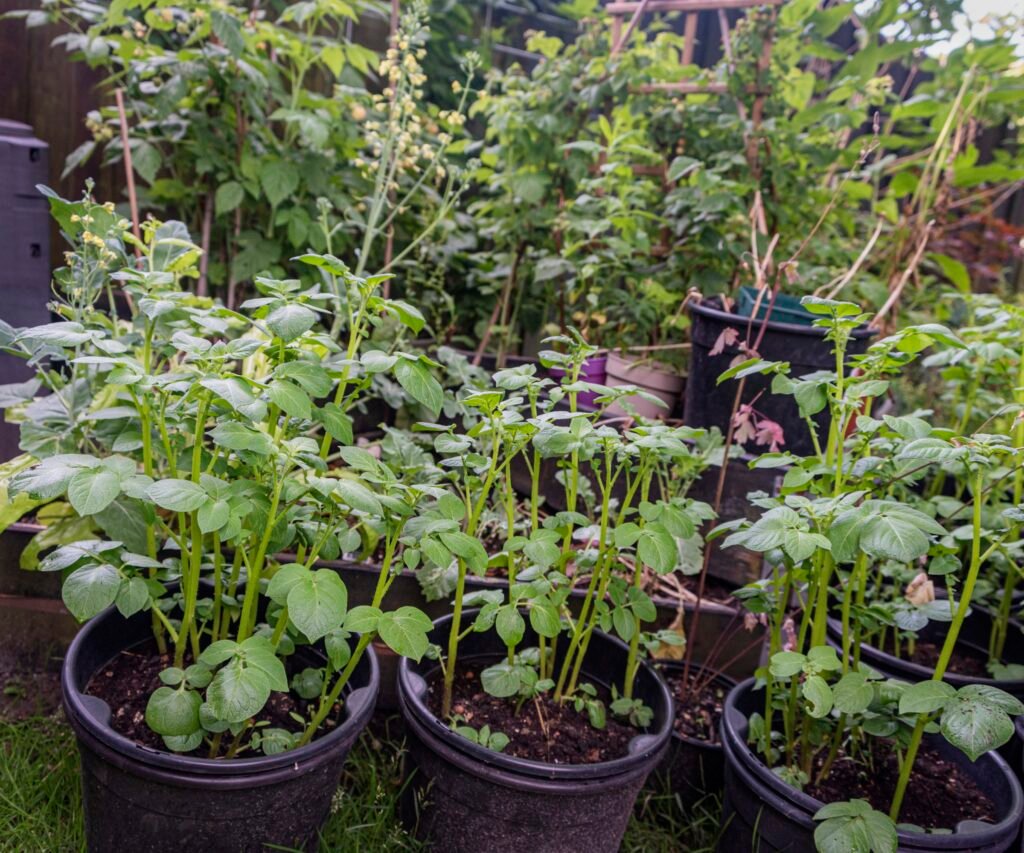
- Choose the Right Variety: Some potato varieties are better suited for container growth. Early or medium-season varieties like Yukon Gold, Red Pontiac, or Charlotte tend to perform well.
- Use Light, Fluffy Soil: Heavy soil can compact, reducing tuber growth. Mix compost, perlite, or coco peat for better aeration.
- Regular Watering: Consistent moisture is key. Avoid letting the soil dry out completely.
- Fertilize Appropriately: Organic fertilizers such as compost, worm castings, or balanced granular fertilizers support healthy tuber formation.
- Protect from Pests: Keep an eye out for aphids, slugs, and potato beetles. Handpick pests or use natural deterrents to prevent infestations.
- Rotate Crops: Avoid planting potatoes in the same bucket season after season to prevent soil-borne diseases.
Common Mistakes to Avoid
- Planting in Too Small a Container: Potatoes need space to grow. Buckets smaller than 10 gallons may restrict tuber formation.
- Overwatering or Underwatering: Both can be harmful. Check soil moisture regularly.
- Neglecting Sunlight: Potato plants require full sun for strong growth.
- Not Hilling: Failure to cover stems encourages green potato development, which is toxic.
Why Container-Grown Potatoes Are Perfect for Home Gardens
Growing potatoes in a bucket is not just practical—it’s also fun and rewarding. You can grow them even in apartments, balconies, or small patios. This method also reduces the risk of soil-borne pests and diseases compared to ground planting. Plus, harvesting is easy and less labor-intensive. With proper care, a single bucket can yield 5–10 pounds of fresh potatoes—a substantial return for such a small investment.
Conclusion
Growing potatoes at home in a simple bucket is an easy, space-saving, and productive way to enjoy fresh, organic potatoes. By following the steps outlined above—preparing seed potatoes, using a proper container, layering soil, hilling, and providing consistent care—you can harvest healthy potatoes right from your balcony or patio.
Container-grown potatoes are not just a solution for small spaces—they also offer control over soil quality, reduce pest problems, and make harvesting a breeze. With a little patience and attention, anyone can enjoy the satisfaction of growing their own potatoes at home.
Whether you’re a beginner gardener or an experienced grower, this simple bucket method makes potato cultivation accessible, fun, and highly rewarding. Your homegrown potatoes will taste better than anything store-bought, and you’ll gain the joy of growing your own food with minimal effort.