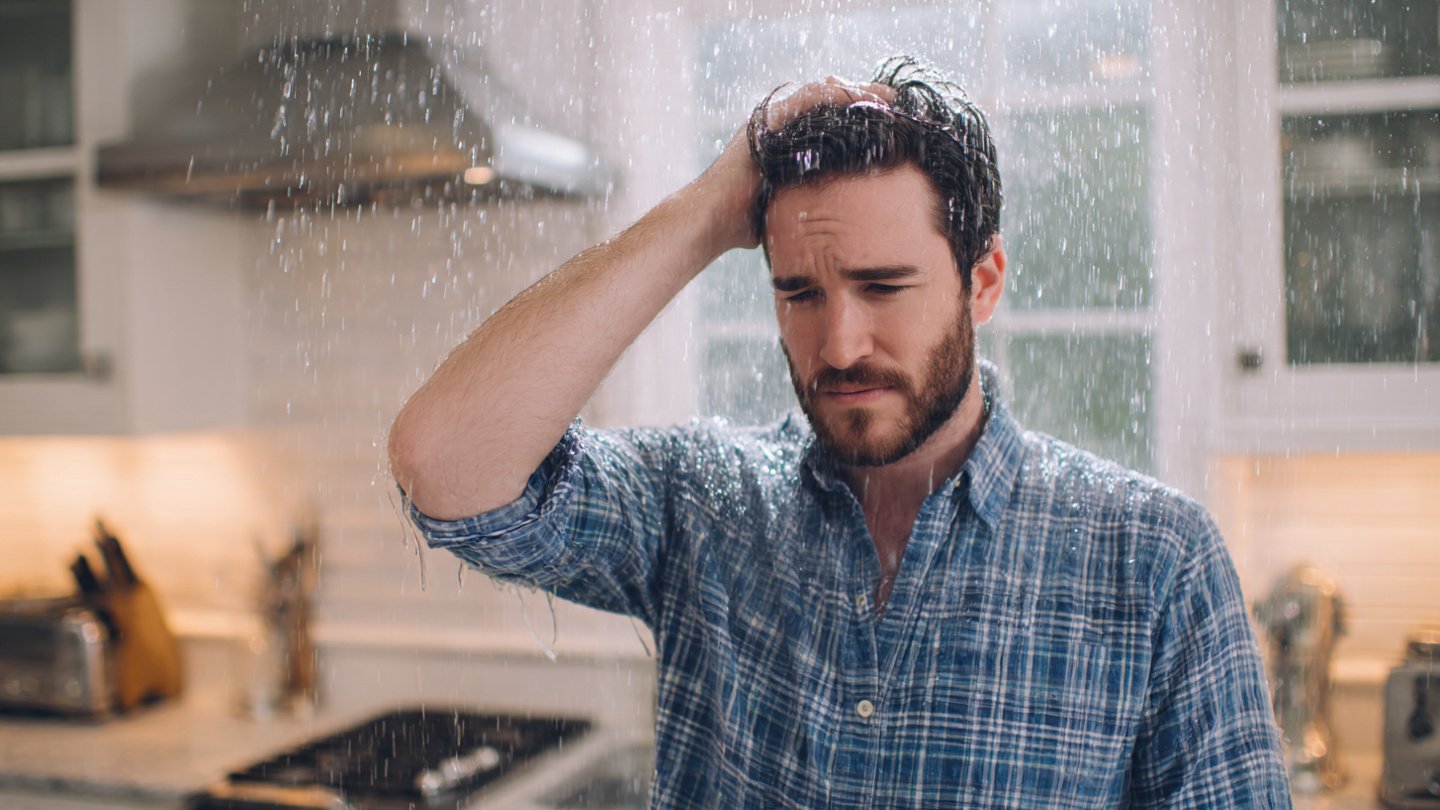
Rainfall is a crucial part of the natural cycle, revitalizing the environment and providing essential moisture. However, many homeowners notice peculiar odors wafting through their kitchens during or after a rainfall. This article delves into the reasons behind these unusual kitchen smells, offering insights to help you better understand what might be happening in your home.
The Science Behind Smells
When it rains, the environment undergoes numerous changes that can lead to new or intensified smells. Many odors are caused by bacteria and microorganisms that thrive in wet conditions. The scents you experience in your kitchen after rainfall may stem from various sources, including:
- Mold and Mildew: Moist environments promote the growth of mold and mildew, causing musty odors. These fungi can thrive in damp areas of your kitchen, such as under the sink or on old food remnants.
- Pipes and Plumbing: Water can displace air in your plumbing system, causing stagnant water to trap unpleasant smells. When the pressure changes, these odors can escape, becoming noticeable in your kitchen.
- Wet Soil and Organic Matter: Rain often flushes organic materials into storm drains. When combined with humidity, these materials can emit strong odors that may seep into your home.
- Food Spoilage: Increased humidity can accelerate food spoilage, particularly for fruits and vegetables. Mold on food items can produce a range of unpleasant smells.
Common Causes of Kitchen Odors After Rainfall
1. Drain Issues
Your kitchen sink drains can sometimes hold onto water, leading to bacteria and grime buildup. Rainfall can exacerbate these issues, causing odors to be more pronounced. Grease and food particles can accumulate in the drain, creating a breeding ground for unpleasant smells.
2. Humidity Levels
High humidity can create conditions that amplify existing odors. When the air is saturated with moisture, smells from garlic, fish, or onion can become much more intense, even if these foods are not currently present in your kitchen.
3. Food Waste
Disposing of food in a compost bin or trash can means dealing with organic matter. Rainwater can lead to the decomposition of waste, producing odors that can permeate your home. If your kitchen is adjacent to an outdoor composting area, you might notice more intense smells when it rains.
4. Air Quality
Rain can affect overall air quality, mixing pollutants and smells in the atmosphere. If you live in an urban area, you might detect stronger odors as rainwater interacts with car exhaust and industrial pollutants, which can find their way into your kitchen through open windows and doors.
How to Identify and Resolve Kitchen Odors
Identifying the source of kitchen odors can be a process of elimination. Here are some steps you can take:
Step 1: Inspect Drains and Piping
Check your sink drains and other plumbing fixtures for signs of buildup or decay. If you notice any odors originating from the drain, consider using a drain cleaner or a mix of baking soda and vinegar to flush out the gunk. If the problem persists, a plumber may need to inspect your plumbing system further.
Step 2: Maintain Dryness
Try to keep your kitchen as dry as possible by wiping down surfaces, ventilating the room, and using dehumidifiers if necessary. Consider investing in a good kitchen fan to help circulate air, especially after rain.
Step 3: Keep Food Stored Properly
Ensure all food is adequately sealed and stored to prevent spoilage. Regularly inspect your refrigerator for expired items. Make sure to dispose of organic waste promptly, especially during wet weather.
Step 4: Regular Cleaning
Regularly clean your kitchen, focusing on areas that might be prone to mold or mildew. This should include checking under sinks, behind appliances, and at the bottom of trash cans.
Step 5: Freshen the Air
Using air fresheners or natural scents like baking soda, vinegar, or citrus can help mask and eliminate odors. A bowl of vinegar left out overnight can neutralize smells effectively.
When to Seek Professional Help
If you are still struggling with persistent odors after following the above steps, it may be wise to consult a professional. An experienced plumber can inspect your plumbing for deeper issues, while a mold remediation specialist can address any infestations that could be affecting your kitchen’s air quality.
Conclusion
Unusual kitchen odors following rainfall can pose a challenging issue for many homeowners. By understanding the science behind these smells and being proactive in maintaining your kitchen, you can keep your home smelling fresh and inviting. Taking immediate action, such as inspecting drains, controlling humidity, and regularly cleaning can significantly improve your kitchen’s environment. If odors persist, don’t hesitate to seek professional assistance to ensure a clean and healthy home.
FAQs
1. Why do I smell musty odors after it rains?
Musty odors can result from mold and mildew flourishing in damp conditions. It can also stem from decaying organic matter, which is more prevalent after heavy rain.
2. Are kitchen odors after rain harmful?
While not all kitchen odors are harmful, persistent mold or mildew growth can pose health risks, especially for individuals with respiratory issues. It’s essential to identify and resolve these odors promptly.
3. How can I prevent kitchen odors during rainy seasons?
Regular cleaning, proper food storage, and keeping your kitchen dry are effective ways to prevent kitchen odors during rainy seasons. Using dehumidifiers and ensuring proper ventilation can also help.
4. When should I call a professional for kitchen odors?
If you’ve tried cleaning and other preventive measures without success, or if you suspect mold growth or plumbing issues, it may be time to call a professional.