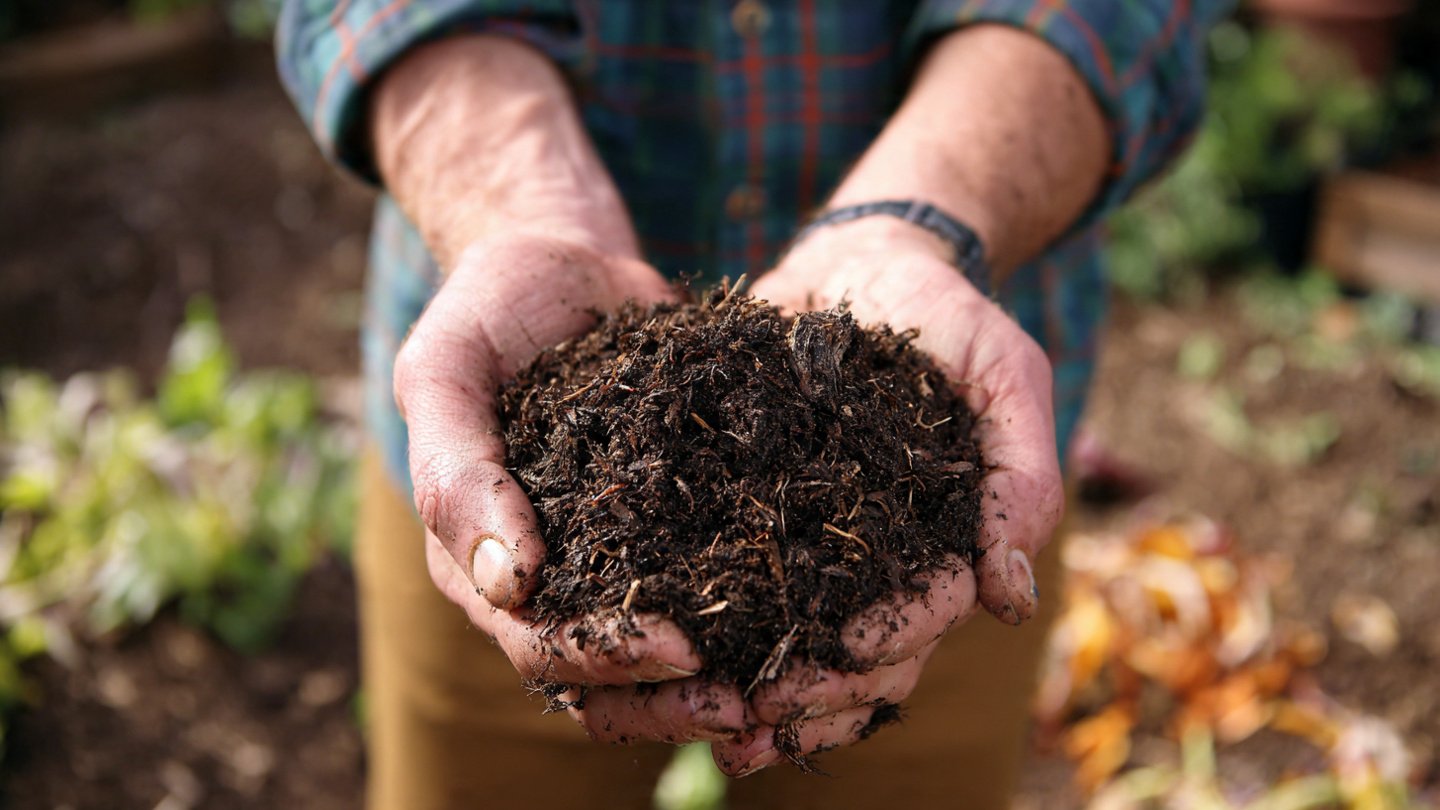
Composting is an age-old method of recycling organic materials, enriching soil health, and promoting sustainable gardening practices. Although composting can take time, several techniques can accelerate the process, allowing you to enjoy nutrient-rich compost faster. One such effective method is the turning technique, which can significantly enhance the speed and efficiency of your composting efforts. This article will delve into the benefits of composting, the science behind composting, the role of aeration, and a detailed guide on how to effectively turn your compost pile to boost its speed.
Understanding Composting
Composting is the transformation of organic waste into nutrient-rich humus. This decomposition process is facilitated by microorganisms, fungi, and various insects that thrive on the breakdown of organic matter. The benefits of composting are manifold:
-
Waste Reduction: Composting diverts organic waste from landfills, reducing the burden on landfills and contributing to sustainable waste management.
-
Soil Enrichment: Compost enhances soil structure, moisture retention, and nutrient availability, leading to healthier plants.
-
Climate Benefits: By composting, you can reduce methane emissions produced in landfills, contributing to a decreased carbon footprint.
-
Cost Savings: Homemade compost reduces the need for chemical fertilizers and expensive soil amendments.
-
Biodiversity: Composting promotes healthy ecosystems both in soil and among the microorganisms crucial for plant growth.
The Science of Composting
Composting is essentially a controlled form of decomposition, relying on the activity of microorganisms such as bacteria and fungi. Several key factors influence this process:
-
Carbon to Nitrogen Ratio (C:N): Compost works best when the carbon (brown materials) and nitrogen (green materials) ratio is about 30:1. Brown materials include dry leaves, straw, and cardboard, while green materials consist of grass clippings, fruit scraps, and vegetable peels.
-
Moisture: Compost should be kept moist, like a wrung-out sponge. Too much water can lead to anaerobic conditions, while too little can slow microbial activity.
-
Oxygen: Aerobic microorganisms require oxygen to thrive. Without adequate aeration, compost can become compacted, resulting in unpleasant odors and reduced decomposition rates.
-
Temperature: The ideal temperature for composting is between 130°F and 160°F (54°C to 71°C). At these temperatures, beneficial microbes flourish, and pathogens and weed seeds are killed off.
The Importance of Turning
Aeration is essential for enhancing the decomposition process. Turning the compost pile allows oxygen to penetrate deeper into the material, significantly increasing microbial activity. When compost becomes compacted, it can create anaerobic conditions, leading to slower decomposition and unpleasant odors. By regularly turning your compost pile, you can ensure optimal aeration, moisture retention, and thermal regulation.
Benefits of Turning Your Compost
-
Improves Aeration: Turning your compost pile introduces oxygen, which is vital for aerobic microorganisms. This process helps break down organic matter more quickly.
-
Promotes Heat Distribution: Turning helps distribute heat evenly throughout the pile, ensuring that all sections reach the optimal temperature for microbial activity.
-
Prevents Compaction: Regular turning mitigates the issue of compacted materials, allowing for a more efficient breakdown of waste.
-
Enhances Microbial Activity: Increased oxygen levels stimulate microbial growth, speeding up the decomposition process and producing rich compost in less time.
-
Identifies Problem Areas: When you turn your compost pile, you can quickly identify sections that may be too dry, too wet, or not decomposing properly, allowing for effective adjustments.
How to Effectively Turn Your Compost Pile
Step 1: Gather Your Materials
To turn your compost effectively, you’ll need:
- A pitchfork or composting fork
- A shovel
- A waterproof tarp (optional, for covering your compost pile)
- A thermometer (optional, for monitoring temperature changes)
Step 2: Assess Your Compost Pile
Before turning your compost, take a moment to assess its condition. Is it compacted? Does it have an unpleasant odor? Is it too dry or too wet? Identifying these conditions will inform how you adjust the materials during turning.
Step 3: Start from the Outside
Using your pitchfork, start turning the outer layers of the compost pile into the center. The middle of the pile is usually the hottest and most active area due to the concentration of microorganisms and heat.
Step 4: Mix Thoroughly
As you turn, aim to mix the various materials thoroughly. Incorporate greens and browns, and break apart any clumps of material that may have formed. This not only aids in aeration but also balances the carbon and nitrogen ratio.
Step 5: Monitor Moisture Levels
While turning the compost, check the moisture level. If it feels too dry, sprinkle some water over it while turning. Conversely, if it’s too wet, add dry brown materials to soak up excess moisture.
Step 6: Observe Temperature
If you have a compost thermometer, use it to monitor the temperature of your compost pile. After turning, you should notice a slight increase in temperature if the microbes are active. Generally, aim for a temperature of 130°F to 160°F. If it exceeds this range, turn the pile more frequently to cool it down.
Step 7: Turn Regularly
Aim to turn your compost pile every 1 to 2 weeks, depending on how quickly you want your compost. The more often you turn it, the quicker the decomposition process will be. Regular turning not only accelerates composting speed but also ensures a more homogenous mix.
Additional Tips for Speeding Up Composting
While turning your compost pile is a critical technique for speeding up decomposition, consider these additional tips to enhance your composting process further:
-
Chop and Shred: Breaking down large materials into smaller pieces increases surface area, allowing microbes to work more effectively.
-
Balance Materials: Keep a proper balance of greens and browns in your compost pile for optimal microbial action.
-
Inoculate with Worms: Adding composting worms can help speed up the process even more through their natural digestion.
-
Layer Wisely: Layering materials in your compost pile can enhance airflow and microbial action. For example, alternate between layers of greens and browns.
-
Keep it Covered: During wet weather, cover your compost pile with a tarp to prevent it from getting overly soggy. Conversely, a cover can help retain heat during colder months.
-
Avoid Certain Materials: Avoid adding meat, dairy, or oily foods to your compost pile, as they can lead to odors and attract pests.
Conclusion
Composting is a rewarding practice that can enrich your garden and reduce waste, but it requires some knowledge and effort. By incorporating a simple turning technique into your composting routine, you can significantly enhance the speed at which your compost pile decomposes. Not only does turning improve aeration and temperature distribution, but it also allows you to monitor the health of your compost actively. With consistent care and attention, you’ll soon have rich, black gold ready to nourish your plants, all while contributing to a more sustainable environment. So grab your pitchfork, start turning, and watch your compost transform at an impressive speed!