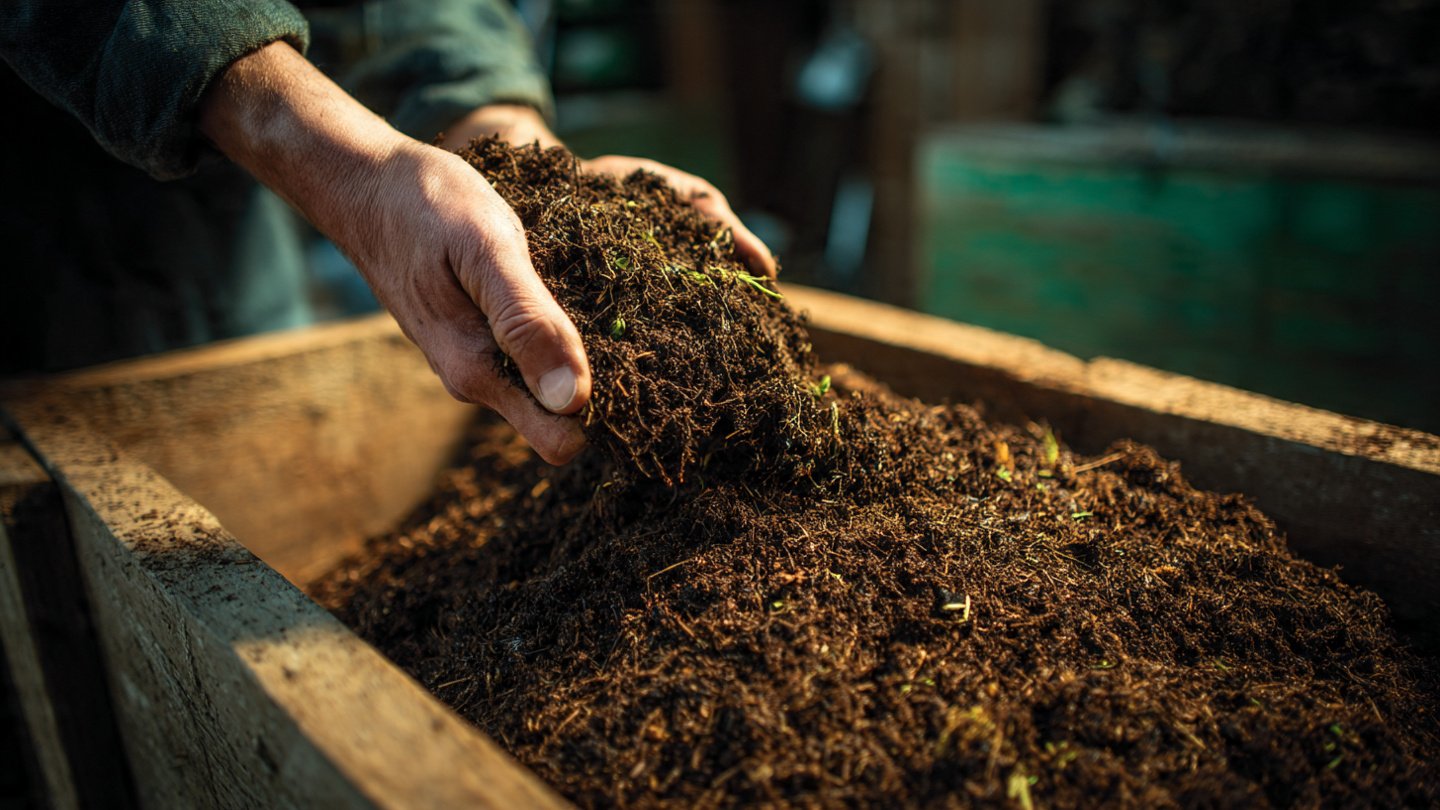
Composting is a natural process that transforms organic waste into nutrient-rich soil amendment. However, managing your compost pile effectively requires understanding the dynamics involved in moisture, temperature, aeration, and the material used. One crucial aspect of composting that often gets overlooked is the scheduling of turning the compost. An effective turning schedule can speed up the breakdown process significantly. This article discusses the importance of compost turning, the ideal schedule to follow, and best practices to enhance decomposition.
Understanding Composting
Before diving into turning schedules, it’s vital to understand the composting process itself. Composting involves the aerobic decomposition of organic matter by microorganisms, which are facilitated by air, moisture, and heat. The key elements necessary for efficient composting include:
- Carbon and Nitrogen Balance: Often referred to as the ‘C:N ratio,’ this balance is essential for microbial activity. A C:N ratio around 30:1 is optimal.
- Oxygen: Aerobic microorganisms require oxygen to function effectively. That’s where turning comes into play.
- Moisture: Compost should be as moist as a wrung-out sponge. Too dry, and the microbes won’t thrive; too wet, and anaerobic bacteria may take over.
- Temperature: Compost piles should ideally reach temperatures between 130°F and 160°F to kill pathogens and accelerate decomposition.
The Importance of Turning
Turning your compost is crucial for several reasons:
- Aeration: Turning introduces oxygen into the pile, which is vital for aerobic microorganisms to thrive. Without aeration, the compost can become anaerobic, resulting in foul odors and the production of methane.
- Mixing Materials: Turning helps to mix the composting materials, ensuring that everything breaks down evenly and preventing the formation of clumps.
- Moisture Distribution: Regularly turning your compost allows for a more uniform distribution of moisture throughout the pile.
- Temperature Regulation: Turning the compost helps to distribute heat evenly, supporting microbial activity.
In essence, turning stimulates the composting process and can potentially shorten the composting time from several months to just weeks.
Creating an Effective Turning Schedule
To maximize the benefits of compost turning, an effective turning schedule can be established. Here’s a step-by-step guide to creating one:
1. Initial Setup
When you first set up your compost pile:
- Layering: Start with a good mix of carbon-rich (brown) and nitrogen-rich (green) materials. Aim for the ideal C:N ratio of about 30:1.
- Moisture Check: Ensure the pile is moist but not soggy.
- Temperature Measurement: Use a compost thermometer to establish your baseline temperature.
2. Weekly Turning
Week 1-2: Turn the compost every week.
- Significance: During the initial stages, microbial activity is ramping up, leading to increased temperatures. Regular turning will help keep the pile active by introducing air and moisture.
- Process: Use a pitchfork or compost aerator. Turn the outer portions of the pile into the center and ensure even mixing.
3. Adjusting Frequency
Week 3-4: As you observe temperature and decomposition progress, you can adjust your turning frequency.
- Temperature Monitoring: If the temperature drops below 130°F, it indicates that microbial activity is slowing down. In this case, increase turning to twice a week.
- Moisture Check: Check moisture levels. If the pile is dry, dampen it while turning.
4. Bi-Weekly Turning
Weeks 5-8: Once the compost temperature stabilizes and you notice significant breakdown, you can shift to turning every two weeks.
- Observation: As the compost breaks down, the material will become less bulky, and the temperature will stabilize.
- Continued Monitoring: Keep an eye on moisture and air levels; adjust as necessary.
5. Final Stages
Weeks 9-12: As the compost nears completion, you can reduce the frequency of turning.
- Weekly or Monthly: Depending on the material and environmental conditions, turning every couple of weeks may suffice.
- Completion Check: The compost is ready when it is dark, crumbly, and smells earthy.
Best Practices for Turning Compost
To enhance the effectiveness of your compost turning schedule, consider the following best practices:
1. Use the Right Tools
Choosing the right tools can make the turning process easier and more efficient.
- Pitchfork: Great for larger, heavier piles.
- Compost Aerator: A tool specifically designed for aerating compost.
- Shovel: Useful for smaller, contained compost bins.
2. Monitor Conditions
- Temperature: Regularly check the internal temperature of your compost. Using a thermometer can help in understanding when turning is most needed.
- Moisture: Moisture levels fluctuate based on weather and the types of materials used. Adjust your turning and watering schedule accordingly.
3. Chunk It Up
If you notice large clumps or chunks of material, break them up while turning. Smaller pieces decompose faster, leading to a more efficient composting process.
4. Observe and Adjust
Every compost pile is unique. Regular observation can help you tailor your turning schedule effectively. If your compost seems to be breaking down slower than expected, increase your turning frequency or adjust the C:N ratio.
5. Incorporate Additional Materials
Adding materials like grass clippings, kitchen scraps, or leaves can influence the composting rate. A consistent supply will keep your compost active even as you turn it.
6. Be Mindful of Weather Conditions
If your compost is located outdoors, the weather can impact your schedule. For instance, too much rain can lead to overly wet conditions that may require less frequent turning, while dry conditions might warrant more intervention.
Common Mistakes to Avoid
While developing an effective turning schedule, be wary of the following common pitfalls:
- Turning Too Often: Excessive turning can disrupt microbial activity and slow down the composting process. Balance is key.
- Ignoring Temp and Moisture: Always check your temperature and moisture levels. Ignoring these can lead to failed composting.
- Neglecting Balance: Don’t overlook the importance of maintaining a proper C:N ratio. Too much carbon will slow down the process, while too much nitrogen can lead to odors.
Conclusion
A well-planned compost turning schedule can make a considerable difference in the speed and efficiency of your composting efforts. By understanding the needs of your compost pile and adjusting your turning frequency based on temperature, moisture, and material breakdown, you can transform organic waste into rich, fertile compost in a fraction of the time. Embrace this sustainable practice, and you’ll not only improve your gardening or landscaping efforts but also contribute to a greener planet. Whether you’re a novice composter or looking to optimize your existing systems, adopting an effective turning schedule is essential for rapid decomposition and creating a healthy soil amendment.