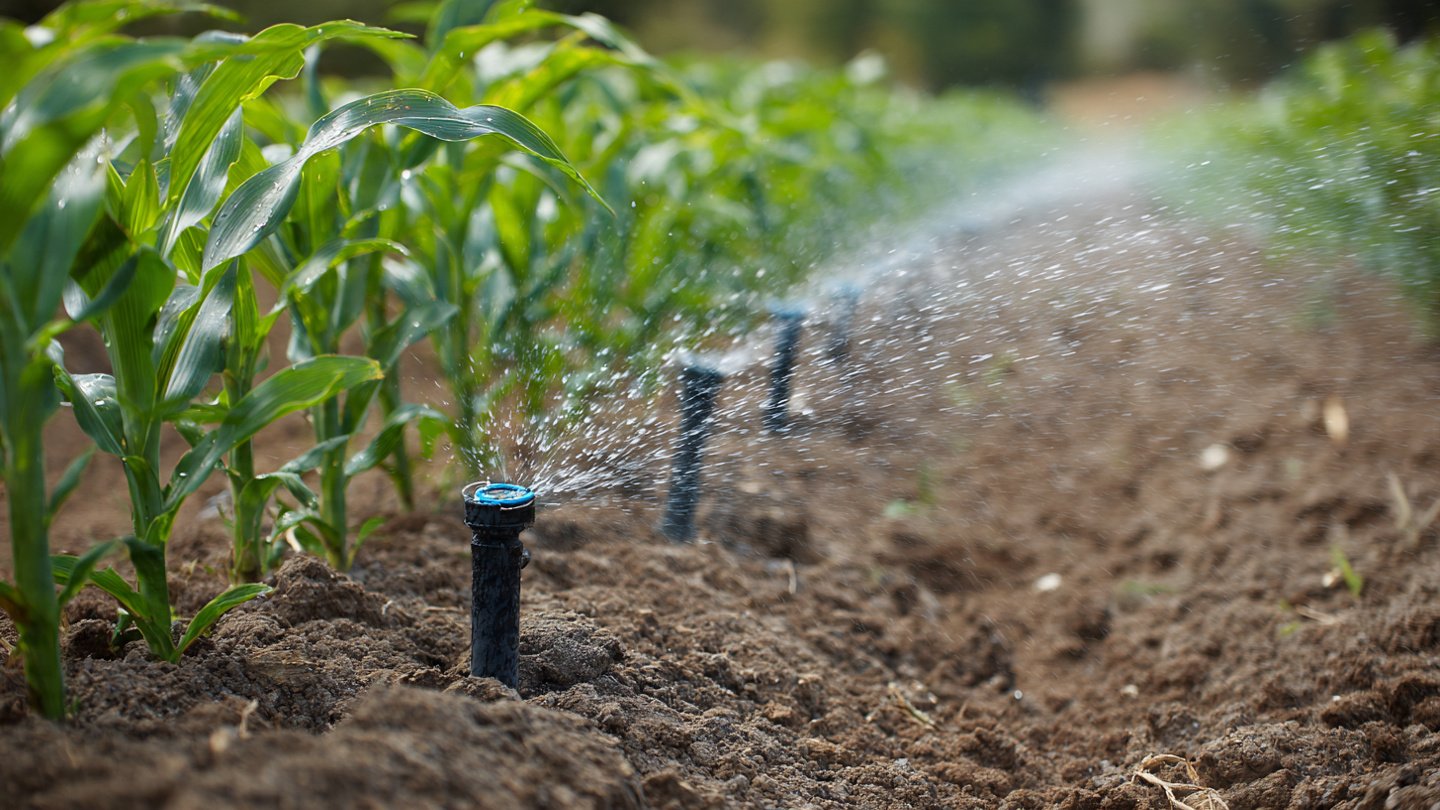
Maintaining optimal soil moisture is essential for healthy plant growth, agricultural productivity, and environmental sustainability. Soil moisture directly affects plant physiology, nutrient availability, and the overall ecosystem. The importance of effective watering strategies cannot be overstated, as they contribute significantly to achieving the right balance of moisture in the soil. In this article, we will explore various techniques to optimize soil moisture levels through effective watering practices, addressing both traditional and modern methods.
Understanding Soil Moisture
Soil moisture refers to the amount of water contained in the soil. It plays a critical role in plant growth as it affects root development and nutrient uptake. Soil moisture fluctuates due to various factors, including precipitation, evaporation, and plant transpiration.
The Water Cycle and Soil Moisture
Understanding the water cycle is fundamental to effective watering practices. The water cycle involves processes such as evaporation, condensation, precipitation, infiltration, and runoff.
-
Evaporation: Water from the soil surface evaporates into the atmosphere, influenced by temperature and humidity.
-
Condensation: Water vapor in the air cools and condenses into clouds.
-
Precipitation: Water returns to the soil in the form of rain, snow, or hail.
-
Infiltration: Water moves from the surface into the soil, where it is held in pores and is available for plant uptake.
-
Runoff: Excess water that cannot infiltrate the soil runs off the surface, leading to soil erosion and water waste.
A clear understanding of this cycle enables better management of watering practices, optimizing water use while ensuring that plants receive the moisture they need.
Importance of Soil Type
Soil type significantly influences moisture retention and drainage capabilities. There are three primary soil types:
-
Sand: Offers excellent drainage but holds little moisture. Water often drains away quickly, making it essential to water frequently.
-
Silt: Balances moisture retention and drainage, holding more water than sandy soils while still allowing for good aeration.
-
Clay: Retains moisture but drains poorly, often leading to waterlogging if overwatered.
Choosing the right watering strategy requires understanding the soil’s texture, structure, and composition.
Soil Structure and Aeration
Soil structure refers to the arrangement of soil particles and the pore spaces between them. Well-structured soils with good aeration allow for efficient water infiltration and root development. Compacted soils hinder water movement and root growth, necessitating methods to improve soil structure before implementing watering strategies.
Effective Watering Strategies
To achieve optimal soil moisture, several effective watering strategies can be employed. These strategies can be broadly categorized into traditional methods, advanced irrigation techniques, and modern technological solutions.
Traditional Watering Methods
-
Hand Watering: This approach allows for precise control over the amount of water applied to individual plants. Gardeners can assess soil moisture levels visually and water accordingly. However, this method can be labor-intensive, especially for larger gardens.
-
Soaker Hoses: Soaker hoses provide a gentle, consistent watering method by allowing water to seep out slowly along the hose’s length. This technique minimizes evaporation, directs moisture directly to the root zone, and can save water significantly.
-
Mulching: Applying a layer of organic or inorganic mulch on the soil surface helps retain moisture by reducing evaporation. Mulch also suppresses weeds, further conserving water and improving soil health.
Advanced Irrigation Techniques
-
Drip Irrigation: This precision irrigation method delivers water directly to the plant’s root zone through a network of tubing and emitters. Drip irrigation is highly efficient, reducing water waste and promoting optimal moisture levels in the soil.
-
Sprinkler Systems: This method distributes water over a large area, replicating natural rainfall. It is essential to adjust sprinklers to avoid over-watering or under-watering specific areas, especially with varying soil types.
-
Subsurface Irrigation: Pipes buried beneath the soil surface deliver water directly to the root zone. This method reduces evaporation and runoff, promoting efficient water use.
Modern Technological Solutions
The use of technology in agriculture and gardening has transformed how soil moisture is managed. Several innovative solutions have emerged, providing real-time data and automation:
-
Soil Moisture Sensors: These devices measure the moisture levels in the soil, providing real-time data to guide irrigation decisions. By understanding when and how much to water, gardeners can prevent over- or underwatering.
-
Automated Irrigation Systems: Integrated with moisture sensors and weather forecasts, these systems can automatically adjust water application based on current soil conditions. This level of automation helps in conserving water without sacrificing plant health.
-
Smart Watering Apps: Many mobile applications can assist gardeners and farmers in tracking soil moisture, planning irrigation schedules, and monitoring weather patterns. These tools provide valuable insights for optimal watering practices.
Factors Influencing Optimal Soil Moisture
To effectively manage soil moisture, it’s crucial to consider various factors that influence moisture levels:
-
Climate: The local climate affects evaporation rates and precipitation patterns. Understanding seasonal variations helps tailor watering strategies.
-
Plant Type: Different plants have varying water requirements. Native and drought-resistant plants usually require less water, while thirsty crops may need more frequent watering.
-
Season: Seasonal changes impact watering needs. For example, in the summer months, increased temperatures typically lead to greater water loss through evaporation.
-
Stage of Growth: Plants have different moisture requirements at various growth stages—seedlings require more care, while established plants may withstand drought better.
Best Practices for Effective Watering
-
Water Deeply and Infrequently: Encouraging deep root growth by watering deeply and less frequently promotes plant resilience and reduces water loss.
-
Observe and Adjust: Regularly inspecting plants and soil conditions allows for timely adjustments to watering schedules. Hands-on assessments yield insights that data alone may not provide.
-
Water in the Early Morning or Late Evening: Watering during cooler parts of the day minimizes evaporation, ensuring more water reaches the root zone.
-
Test Soil Moisture: Before watering, conduct a simple finger test or use a moisture meter to gauge soil moisture. This practice helps avoid unnecessary watering.
-
Group Plants by Water Needs: Planting species with similar water requirements together simplifies irrigation management and ensures that each plant receives adequate moisture.
Conclusion
Achieving optimal soil moisture is critical for plant health and successful gardening and farming practices. By employing effective watering strategies — from traditional methods to advanced technologies — individuals can promote healthier plants, enhance agricultural productivity, and contribute to environmental sustainability.
Understanding soil types, applying the right watering techniques, and leveraging modern technology are essential components to achieving the desired moisture balance in the soil. As we face increasing challenges such as climate change and water scarcity, mastering the art of effective watering will be crucial in fostering resilient ecosystems, ensuring food security, and promoting sustainable practices for future generations.