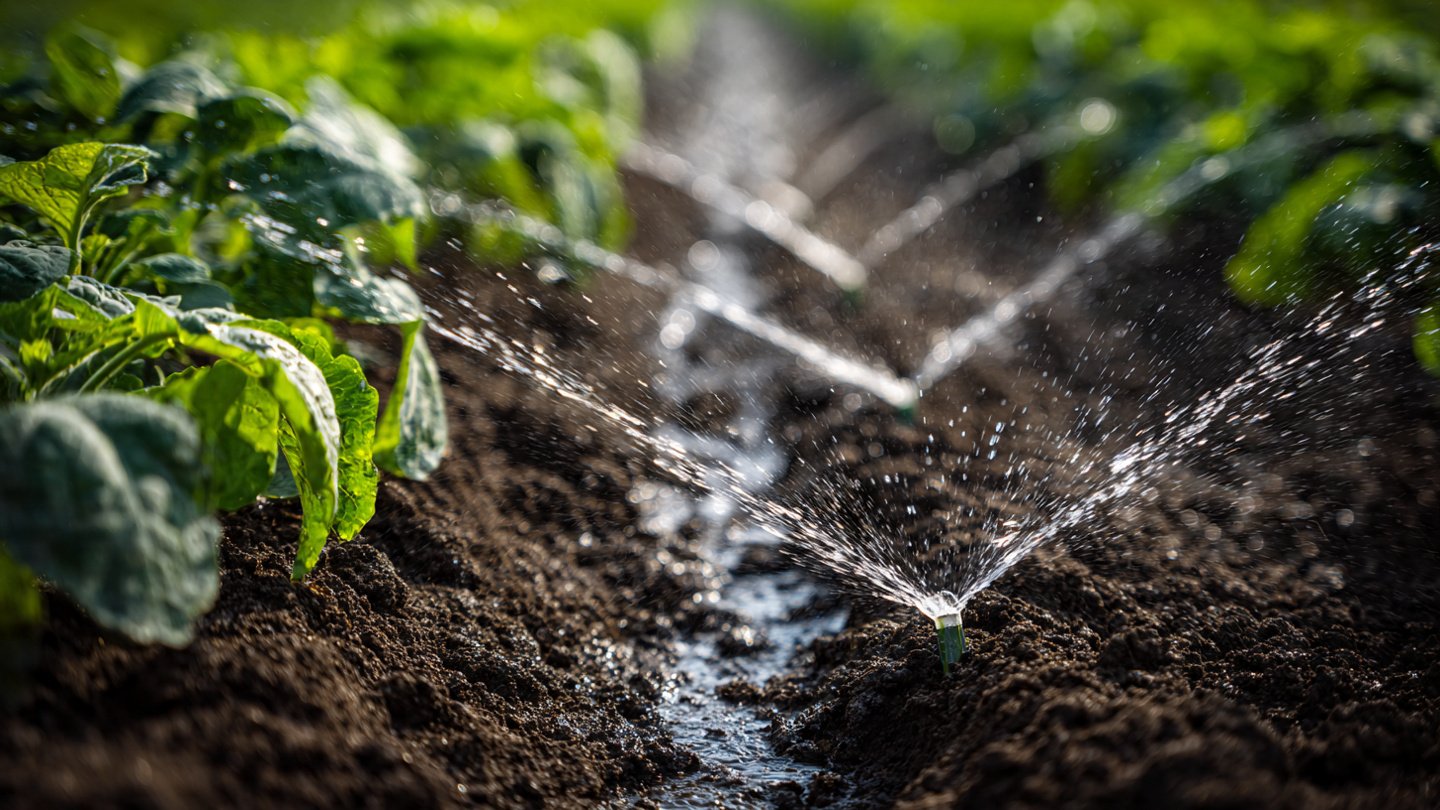
Maintaining balanced soil health is essential for sustainable agriculture, gardening, and landscaping. Water is a critical component in achieving this balance. While it supports plant growth, improper watering can lead to various soil issues, including erosion, compaction, and nutrient leaching. This article explores optimal watering techniques that not only benefit plants but also enhance soil health, promoting a thriving ecosystem.
Understanding Soil Health
Before delving into optimal watering techniques, it’s crucial to understand what constitutes soil health. Healthy soil encompasses:
- Biological Activity: A rich diversity of microorganisms, insects, and organic matter that contribute to nutrient cycling.
- Physical Structure: Well-aerated soil that is neither too compacted nor too loose, allowing roots to penetrate and access water and nutrients.
- Chemical Composition: A balanced pH and the presence of essential nutrients such as nitrogen, phosphorus, and potassium.
Healthy soil supports strong plant growth, reduces the need for chemical fertilizers, and improves water retention and drainage.
The Importance of Water in Soil Health
Water serves several vital functions in soil health, including:
- Dissolving Nutrients: Water dissolves minerals and nutrients, enabling plants to absorb them through their roots.
- Supporting Microbial Activity: Moisture is essential for microbial life, which plays a significant role in organic matter decomposition and nutrient cycling.
- Regulating Temperature: Water helps in moderating soil temperature, protecting plant roots from extreme heat or cold.
However, both under-watering and over-watering can disrupt these functions, leading to adverse effects on soil health.
Optimal Watering Techniques
To promote balanced soil health, the following watering techniques should be employed:
1. Deep Watering
Deep watering means providing sufficient water to reach the root zones of plants. Shallow watering encourages the growth of surface roots, which are more susceptible to drought stress and nutrient leaching.
How to Implement Deep Watering:
- Water Slowly: Use a hose or drip irrigation system to apply water slowly, allowing it to seep deep into the soil.
- Check Soil Moisture: Use a moisture meter or simply dig a small hole to check if moisture penetrates at least 6-12 inches deep for most plants.
- Frequency: Depending on plant needs and soil type, water deeply once or twice a week rather than daily.
2. Timing of Watering
The timing of watering can significantly impact soil health.
Best Practices:
- Water in the Morning: Early morning watering reduces evaporation losses and allows plants to absorb water before the heat of the day.
- Avoid Night Watering: Watering in the evening can lead to prolonged moisture on the leaves and increase the risk of fungal diseases.
3. Understanding Soil Type
Different soil types have different water retention capabilities, so understanding your soil is essential for effective watering.
- Sandy Soil: Drains quickly and may require more frequent watering.
- Clay Soil: Retains moisture but can become compacted and lead to poor drainage if overwatered.
- Loam Soil: A balanced mixture of sand and clay, generally ideal for most plants as it retains moisture well.
4. Mulching
Mulching is an effective technique for regulating soil moisture and maintaining a healthy soil ecosystem.
Benefits of Mulching:
- Reduces Evaporation: A layer of organic mulch (like straw, wood chips, or grass clippings) can reduce evaporation rates by up to 70%.
- Suppresses Weeds: Fewer weeds mean less competition for water and nutrients.
- Adds Organic Matter: As it breaks down, organic mulch enhances soil structure and nutrient availability.
5. Irrigation Systems
Utilizing efficient irrigation systems can significantly reduce water waste and improve soil health.
Types of Irrigation:
- Drip Irrigation: Delivers water directly to the plant roots, minimizing evaporation and runoff.
- Soaker Hoses: These hoses release water slowly and evenly, ideal for garden beds.
- Sprinkler Systems: While effective, they should be set to avoid overspray on walkways or hardscapes.
6. Rainwater Harvesting
Collecting rainwater is a sustainable way to irrigate plants and improve soil health.
How to Harvest Rainwater:
- Install Rain Gauges: Monitor rainfall to determine when and how much to water later.
- Create Collection Systems: Use barrels or tanks to store rainwater for later use.
7. Soil Amendments
Incorporating soil amendments can improve water retention and overall soil health.
- Compost: Incorporating compost into the soil improves its structure and enhances its ability to retain moisture.
- Biochar: Adding biochar increases soil’s water-holding capacity and enhances microbial activity.
- Mulches: As mentioned, organic mulches can also act as soil amendments, improving structure over time.
8. Crop Rotation and Diversity
Practicing crop rotation and maintaining plant diversity can enhance soil health and optimize watering techniques.
- Crop Rotation: Alternating planted crops helps to balance nutrient uptake and reduces the risk of soil degradation. Different plants have varying water requirements, which can optimize soil moisture.
- Companion Planting: Planting complementary crops together can enhance water usage efficiency and reduce competition.
9. Monitoring Soil Moisture Levels
Regularly checking soil moisture levels can prevent both over-watering and under-watering.
Methods of Monitoring:
- Soil Moisture Meters: These devices provide a quick and accurate way to assess moisture levels.
- Tactile Testing: Digging a small hole to feel the soil moisture with your hands can be an intuitive method to assess water needs.
10. Consider Environmental Factors
Several environmental factors can influence watering needs, including temperature, humidity, and wind.
- Temperature and Humidity: Warmer temperatures and lower humidity levels can increase evaporation rates, necessitating more frequent watering.
- Wind: Wind can evaporate water quickly, particularly for newly seeded areas or young plants.
Conclusion
Optimal watering techniques play an essential role in maintaining balanced soil health. By understanding the various soil types, implementing deep watering practices, and utilizing effective irrigation systems, we can cultivate a thriving ecosystem that benefits both plants and soil. Additionally, practices such as mulching, rainwater harvesting, and soil amendments contribute to enhanced water retention and overall soil vitality.
Ultimately, a thoughtful approach to watering can lead to sustainable agricultural practices, healthier gardens, and robust landscapes, ensuring a balanced and thriving soil ecosystem for generations to come.