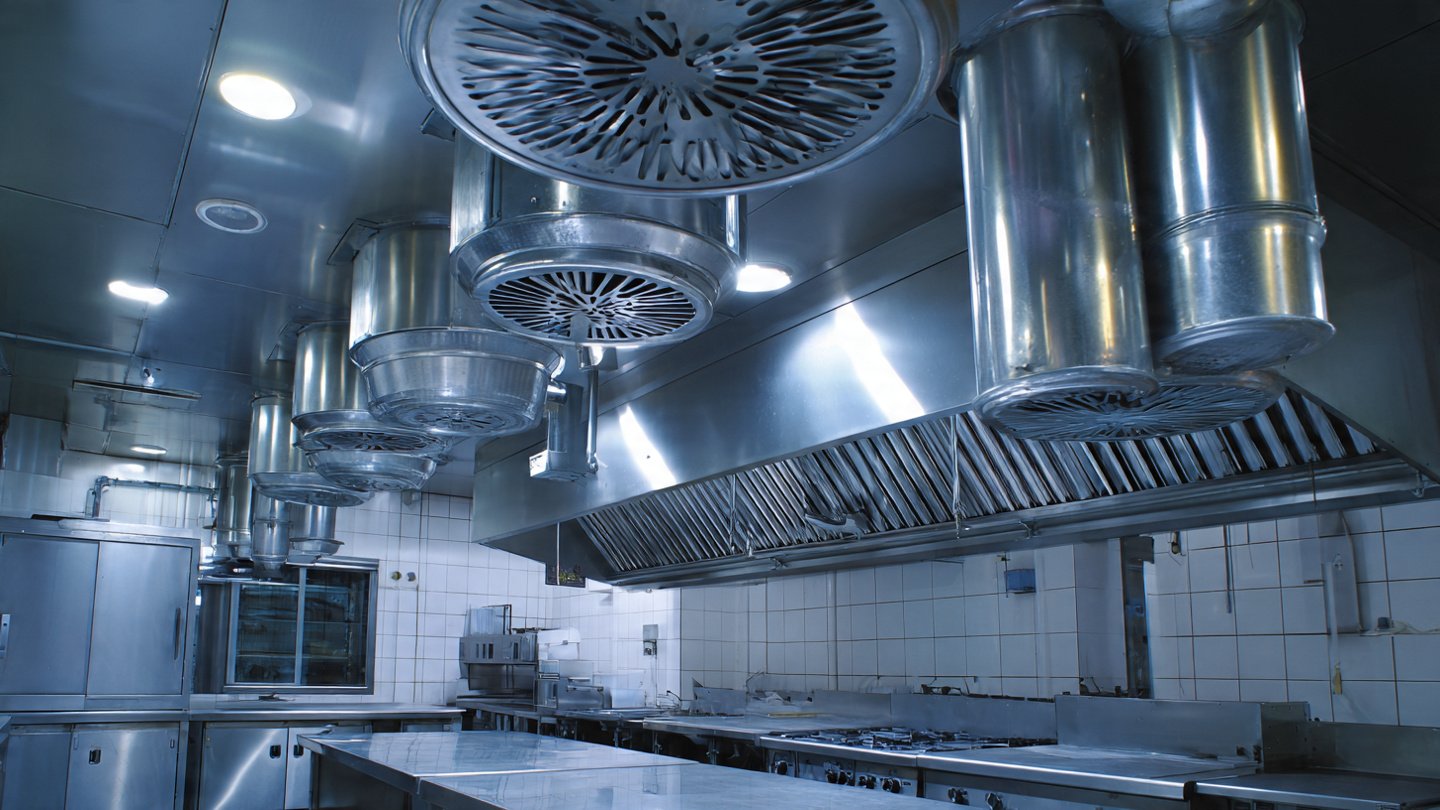
In the heart of every home, the kitchen stands as a vibrant hub of activity where aromatic meals are prepared and culinary experiments take shape. However, the joy of cooking can be hampered by an often-overlooked aspect of kitchen maintenance: the efficiency of kitchen exhaust fans. These fans are crucial for maintaining air quality, regulating temperature, and ensuring a comfortable cooking environment. Unfortunately, they can lose efficacy over time, primarily due to clogged filters and ducts. This article examines the causes and consequences of this inefficiency, its impact on indoor air quality, and the importance of regular maintenance.
Understanding Kitchen Exhaust Fans
Kitchen exhaust fans, also known as range hoods, are installed over stoves or cooktops to expel smoke, heat, moisture, and airborne grease particles. The primary functions of these fans are to:
- Enhance Air Quality: By removing pollutants and odors, exhaust fans help improve the indoor air quality of kitchens.
- Prevent Grease Buildup: Cooking releases grease, which can accumulate on surfaces and pose fire hazards.
- Maintain Temperature: High cooking temperatures can make kitchens uncomfortably warm. Exhaust fans help regulate heat levels.
Given these important functions, maintaining the efficiency of exhaust fans is vital.
Causes of Reduced Efficiency
1. Clogged Filters
Filters are an integral part of kitchen exhaust systems, designed to capture grease and particulate matter before they enter ducts or the environment. Over time, these filters can become clogged with layers of grease and debris:
-
Types of Filters:
- Mesh Filters: These remove large grease particles and should be cleaned regularly.
- Charcoal Filters: Used in ductless hoods, these absorb odors and must be replaced periodically.
-
Impact of Clogs: When filters become clogged, airflow is restricted. As a result, the fan struggles to remove smoke and odors effectively, leading to a buildup of unwanted particles in the kitchen.
2. Duct Blockages
Duct systems transport air from the kitchen to the outside. However, ducts can accumulate dirt, dust, and grease over time:
-
Narrowing Ducts: If ducts are too narrow or improperly installed, airflow can be constricted.
-
Obstructions: Objects can accidentally block ducts, further limiting airflow. Additionally, pet hair and other debris can build up in ducts over time.
-
Consequences of Blockages: Blocked ducts restrict airflow, causing more pressure to be put on the fan. This can result in less effective ventilation and can eventually damage the fan motor.
3. Lack of Maintenance
Regular maintenance is often neglected in homes, leading to inefficiencies in kitchen exhaust systems:
-
Infrequent Cleaning: Kitchen exhaust systems should be cleaned regularly based on usage frequency. A busy household’s kitchen may require monthly cleanings, whereas other homes might manage with quarterly efforts.
-
Overlooking Replacement Schedules: Not replacing charcoal filters or worn-out parts can significantly impact fan performance. These filters usually have a lifespan of about six months before they need replacement.
Consequences of Inefficient Exhaust Fans
1. Poor Indoor Air Quality
A primary concern with clogged filters and ducts is the worsening of indoor air quality:
- Increase in Pollutants: As exhaust fans lose effectiveness, pollutants such as smoke, steam, and grease particles linger in the air, leading to potential respiratory issues.
- Mold Growth: Moisture buildup can create an environment for mold growth, particularly if humidity levels are not appropriately managed.
2. Health Implications
Poor indoor air quality can have several health implications, such as:
- Respiratory Issues: Individuals with asthma or allergies may experience exacerbated symptoms due to increased airborne irritants.
- Chemical Exposure: Cooking can release harmful compounds. A failing exhaust system can leave these chemicals lingering in the kitchen, affecting overall health.
3. Reduced Efficiency and Higher Energy Costs
Clogged filters and ducts can lead to inefficiencies, causing energy costs to rise:
- Increased Energy Consumption: When fans have to work harder to pull air through dirty filters, they consume more energy. This can result in higher utility bills.
- Shortened Lifespan of Appliances: Continuous strain on the exhaust fan can lead to premature failure, necessitating expensive repairs or replacements.
4. Risk of Fire Hazards
The accumulation of grease and debris poses significant fire risks:
- Grease Buildup: Grease accumulated in filters and ducts is highly flammable. A spark from cooking equipment could ignite this buildup, leading to dangerous kitchen fires.
- Ventilation System Failure: Inadequate ventilation can increase the likelihood of heat buildup, further heightening fire risk.
Preventive Measures and Maintenance Strategies
To maintain the efficiency of kitchen exhaust fans and ensure the safety and comfort of the kitchen environment, regular maintenance and preventive measures are essential:
1. Regular Filter Cleaning
Develop a routine cleaning schedule based on cooking habits:
- Mesh Filters: Clean these filters with hot soapy water every month or as needed.
- Charcoal Filters: Replace every six months, or more frequently if you cook often.
2. Duct Cleaning
Consider professional duct cleaning services every few years to ensure airflow is unobstructed:
- Inspection: Regularly inspect ducts for signs of blockages or build-up.
- Professional Help: Engage professionals for deep cleaning where necessary.
3. Install High-Quality Systems
Investing in high-quality exhaust fans can enhance the kitchen’s ventilation efficiency:
- Consider Size: Ensure that the fan is the right size for the kitchen and cooktop to maximize effectiveness.
- Energy Efficient Models: Choose fans with high energy efficiency ratings to reduce operational costs.
4. Educate Household Members
Create awareness among all household members about the importance of kitchen exhaust maintenance:
- Teach Cleaning Routines: Everyone who uses the kitchen should understand how to clean the exhaust fan and what signs to look for regarding efficiency loss.
- Emphasize Safety: Explain the fire risks associated with neglected kitchen exhaust systems.
Conclusion
Kitchen exhaust fans play a crucial role in ensuring the safety, comfort, and overall air quality of cooking spaces. However, their effectiveness can diminish significantly due to clogged filters and ducts. Regular maintenance and adherence to proper cleaning schedules are essential to avoid adverse consequences, such as poor air quality and increased fire risks.
By taking proactive measures to maintain kitchen exhaust systems, homeowners can ensure a safer and more enjoyable cooking environment, ultimately enhancing the overall experience and health of their household. While the initial investment in time and effort may seem daunting, the long-term benefits of clean, efficient, and safe kitchen exhaust fans are well worth it.