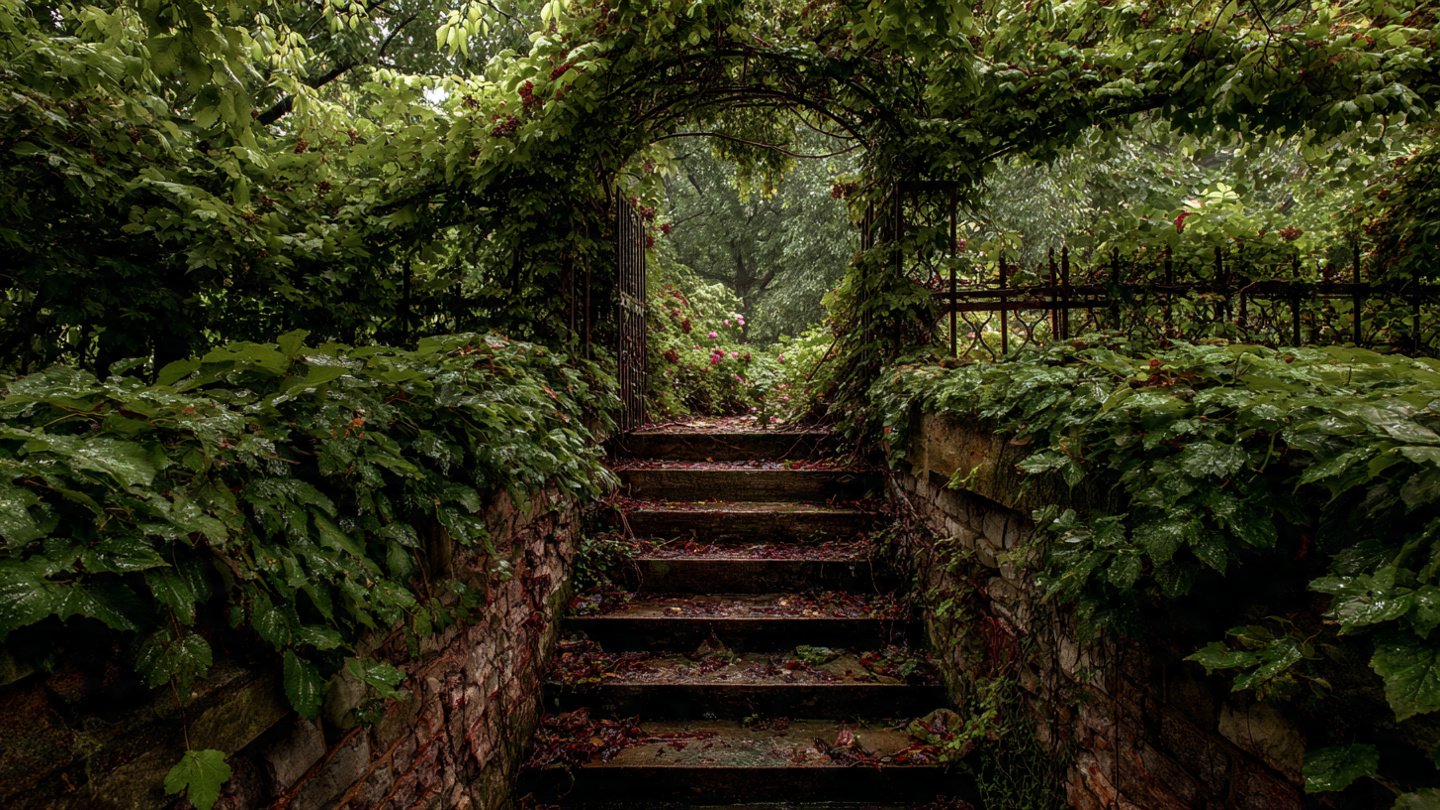
The Silent Struggles of Neglected Gardens
Gardens, often considered sanctuaries of tranquility, beauty, and biodiversity, face silent struggles when neglected. The relationship between humans and their green spaces can be deeply transformative; however, many gardens experience emotional neglect that leads to physical deterioration. This article delves into various aspects of neglected gardens, exploring their challenges, symbolism, and the broader implications for our environment and mental well-being.
The Importance of Gardens
Gardens serve multiple purposes. They are not just spaces to cultivate plants, but they are also places of recreation, spirituality, and community interaction. For many, gardens represent hope and growth. They foster mental well-being by providing a restful retreat from the chaotic pace of modern life. Unfortunately, when they are overlooked, the very essence of these green spaces diminishes, leading to a cycle of neglect and decay.
Common Signs of Neglect
Recognizing a neglected garden can be quite apparent. The following are common signs:
- Overgrown Weeds: Unwanted plants can quickly take over, stealing nutrients and space from cherished flora.
- Damaged or Bare Soil: Soil erosion and compaction can occur, making it difficult for plants to thrive.
- Pests and Diseases: A lack of care can lead to infestations and diseases that further harm the plants.
- Stagnant Water: Pools of water can attract mosquitoes and other pests, creating health hazards.
- Unused Garden Structures: Elements such as benches and gazebos can fall into disrepair, rendering them unusable.
Psychological Impact of Neglected Gardens
The mental health implications of neglecting gardens can be profound. Many individuals invest emotional energy into their gardens; when these spaces fall into disarray, the disillusionment can lead to:
- Feelings of Guilt: Gardeners may feel guilty about not maintaining their space, leading to a decreased sense of worth.
- Anxiety and Stress: The sight of an unkempt garden can become a source of anxiety, reflecting the disorganization in one’s life.
- Loss of Connection: A neglected garden can symbolize a lost connection to nature and oneself, leading to feelings of isolation.
Environmental Impacts
Beyond the personal ramifications, the neglect of gardens can have wider environmental consequences. Gardens play a vital role in maintaining local ecosystems. Here are a few aspects:
- Biodiversity Loss: Neglected gardens fail to support diverse plant species, adversely affecting pollinators and wildlife.
- Soil Degradation: Lack of maintenance leads to soil compaction and erosion, diminishing the land’s ability to support vegetation.
- Increased Carbon Footprint: Overgrown areas can contribute to increased greenhouse gases as decomposing plant matter emits CO2.
- Water Runoff Issues: Poorly managed gardens can lead to increased runoff, causing erosion and nutrient loss in surrounding areas.
Personal Responsibility and Community Involvement
The health of gardens ultimately reflects the health of communities. When individuals and neighborhoods come together to restore and maintain their gardens, they breathe life back into these delicate ecosystems. Community gardening initiatives are crucial for encouraging collaboration and a sense of responsibility. Here are some steps to enhance community involvement:
- Set Up a Gardening Group: Formulate a community group that meets regularly to tend to neglected spaces.
- Education and Workshops: Offer workshops that teach gardening skills, pest management, and sustainable practices.
- Host Plant Swaps: A fun way to encourage biodiversity and allow community members to share their plants.
- Organize Clean-Up Days: Schedule days where community members can interact and revitalize local gardens.
Reviving a Neglected Garden
Restoring a neglected garden is a rewarding endeavor, offering a blend of hard work and therapeutic relief. Here are steps to rejuvenate a garden:
- Assessment: Evaluate the current state of the garden, noting what can be salvaged.
- Plan: Develop a vision for how you’d like the garden to look and what plants best support that vision.
- Clear Out Weeds and Debris: Remove unwanted plants and debris to create a clean slate.
- Soil Improvement: Enrich the soil with compost, fertilizers, or other amendments to support new growth.
- Plant New Species: Choose plants that will thrive in the local conditions and align with your gardening goals.
- Regular Maintenance: Establish a schedule for watering, weeding, and general care to prevent future neglect.
Conclusion
The silent struggles of neglected gardens reflect deeper issues that resonate within ourselves and our communities. By understanding the difficulties faced by these spaces, we can take action to revive them and restore our connection to nature. Revitalized gardens not only beautify our surroundings but also enhance our mental well-being and bolster local ecosystems. Whether it’s through personal responsibility or community involvement, every effort counts in nurturing these vital green spaces.
Frequently Asked Questions (FAQs)
Q1: How can I identify a neglected garden?
A neglected garden typically shows signs like overgrown weeds, damaged soil, and the presence of pests. If you notice an area that seems to be taken over by unwanted plants or structures falling apart, it may require attention.
Q2: What are the first steps to take when restoring a neglected garden?
Begin by assessing the current condition of the garden, planning your restoration vision, clearing out debris, and improving the soil quality before planting new species.
Q3: Can I revive a garden on my own, or do I need help?
While personal initiative is commendable, involving others, including friends or community members, can ease the burden and foster a sense of collective achievement.
Q4: What are some sustainable practices for maintaining gardens?
Employing sustainable practices like composting, mulching, and planting native species can significantly contribute to a healthy garden ecosystem.
Q5: How do neglected gardens impact local wildlife?
Neglected gardens can lead to a decline in biodiversity, as they fail to provide food and habitat for various species, including pollinators that are essential for ecosystem health.