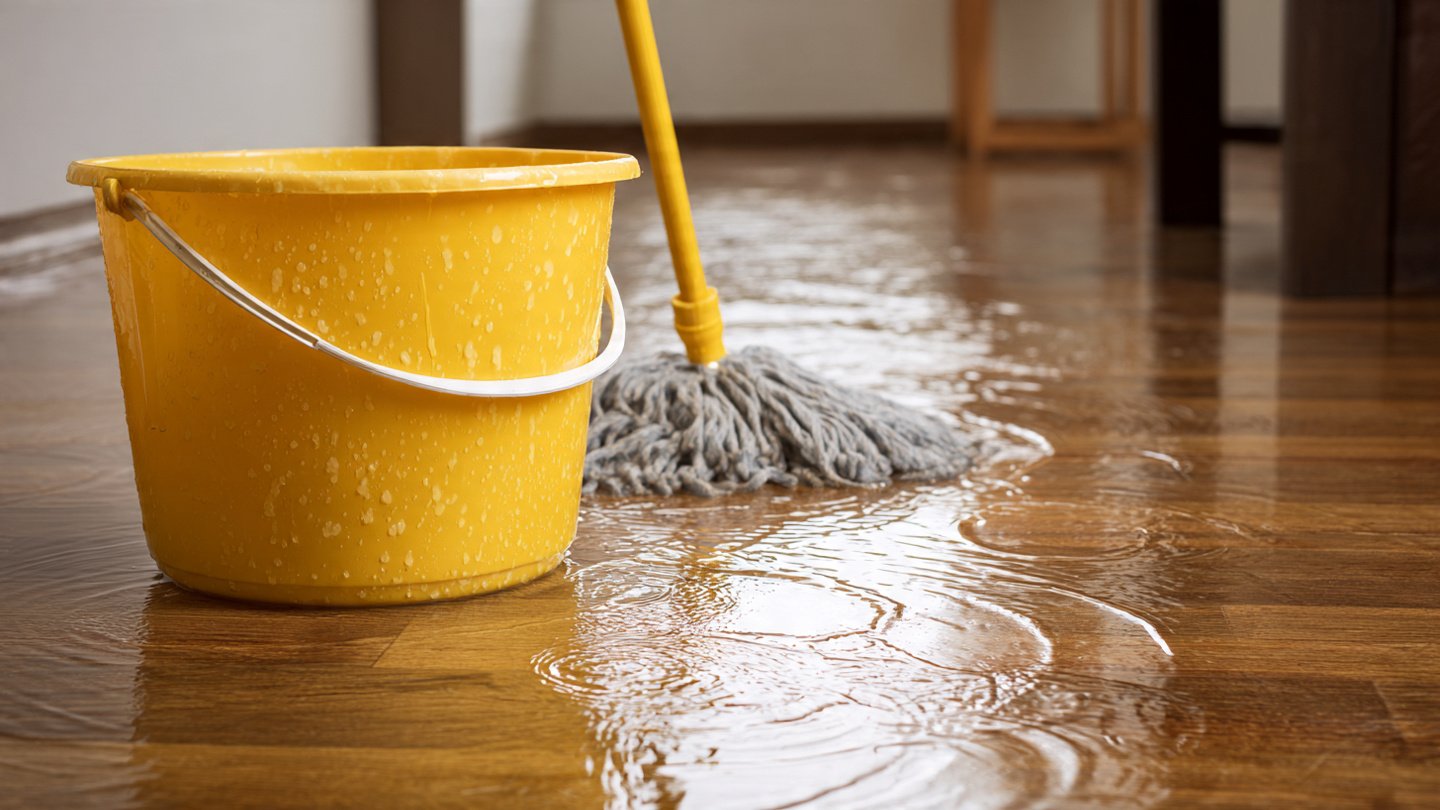
Mopping is an essential cleaning task that many of us perform regularly in order to maintain the hygiene of our homes. However, some common mistakes can lead to unwanted sticky residues being left on the floor. These residues can not only make your floors look dirty but can also attract more dirt and grime, creating a vicious cycle of cleaning without effective results. In this article, we will delve into the reasons behind sticky residues, the common mistakes people make when mopping, and how you can avoid them for a cleaner, shinier floor.
Why Sticky Residue Occurs
Before we dive into the mistakes, let’s understand what causes sticky residue on floors. Typically, sticky residues arise from:
- Using the Wrong Cleaning Solution: Many commercial cleaners contain substances that can leave a sticky residue behind if not rinsed thoroughly.
- Over-using Cleaners: Using too much cleaning product can lead to buildup, especially if it’s not rinsed or wiped away properly.
- Inefficient Mopping Technique: A poor mopping technique can result in dirt being spread around rather than removed, leading to sticky surfaces.
- Water Quality: Hard water can leave mineral deposits, contributing to a sticky feeling on your floors.
- Not Rinsing Properly: Failing to rinse away cleaning solutions can leave residues that attract dirt and grime.
Common Mopping Mistakes to Avoid
1. Skipping the Vacuuming Step
Before you even think about mopping, it’s crucial to vacuum or sweep the floor to remove loose dirt, dust, and debris. Skipping this step will mean you’re merely pushing dirt around, leading to an uneven clean and potential sticky residues.
2. Using Too Much Cleaner
Many people assume that more cleaner equals a better clean. In reality, using excessive amounts of cleaning solution can lead to a sticky film. Always follow the manufacturer’s instructions for dilution and usage.
3. Not Changing the Mop Water
Using dirty mop water essentially means you’re just redistributing dirt across your floor instead of cleaning it. Change the mop water frequently, especially if it looks unclean.
4. Inadequate Rinsing
Not rinsing your floor after mopping can trap cleaning agents on the surface, leading to sticky residues. Always rinse your mop and change the water if it becomes dirty.
5. Using the Wrong Type of Mop
The type of mop you use can make a difference. For example, sponge mops can trap dirt, while microfiber mops are designed to clean without leaving residues. Choose your mop wisely based on your flooring type.
6. Mopping in the Wrong Direction
When mopping, always work your way from one corner to the exit. Mopping back and forth can spread debris and cleaning solution, contributing to a sticky texture on your floors.
7. Using a Dirty Mop
A mop that hasn’t been cleaned or laundered properly can leave dirt behind instead of removing it. Always ensure your mop head is clean before starting the task.
Tips for a Successful Mopping Experience
To avoid sticky residue and ensure your floors look their best, consider the following tips:
- Choose the Right Cleaner: Use a cleaner specifically designed for your floor type (for example, hardwood, tile, etc.).
- Test the Cleaner: Always do a spot test with any new cleaner to ensure it doesn’t leave a residue or damage your floor.
- Use Hot Water: Hot water helps dissolve cleaners and dirt more effectively, leading to a better clean.
- Rinse Your Mop Often: During mopping, rinse your mop frequently and change your water as it becomes dirty.
- Dry the Floor: After mopping, use a clean, dry mop or microfiber cloth to remove any excess moisture and cleaner.
Conclusion
Sticky residue on your floors can be frustrating, but understanding the common mopping mistakes can help you avoid this issue. By taking the time to prepare properly, choose your cleaning products wisely, and use effective techniques, you can achieve sparkling clean floors without the unwanted stickiness. Remember that the key to successful mopping lies in cleanliness, proper techniques, and using the right tools. Adopting these methods will not only enhance your cleaning routine but also improve the overall cleanliness and aesthetic of your living space.
FAQs
1. How often should I mop my floors?
It generally depends on the level of foot traffic in your home. For high-traffic areas, mopping once a week is recommended, while lower traffic areas can be mopped every two to four weeks.
2. Can I use vinegar for mopping?
Yes, vinegar is a natural cleaner that can effectively clean many types of floors. However, avoid using it on natural stone as it can damage the surface.
3. What should I do if my floors are still sticky after mopping?
If your floors are sticky after mopping, try rinsing them with clean water or using a mild vinegar solution to help break down any remaining residues left from cleaning products.
4. Is it necessary to use a floor cleaner or can I just use hot water?
While hot water can be effective, using a specialized floor cleaner will help target specific types of dirt and stains, providing a more thorough clean.
5. How do I maintain my mop to avoid transferring dirt?
Cleaning your mop regularly and replacing mop heads as needed will help maintain its effectiveness. Launder microfiber cloths after each use to ensure they’re ready for the next clean.