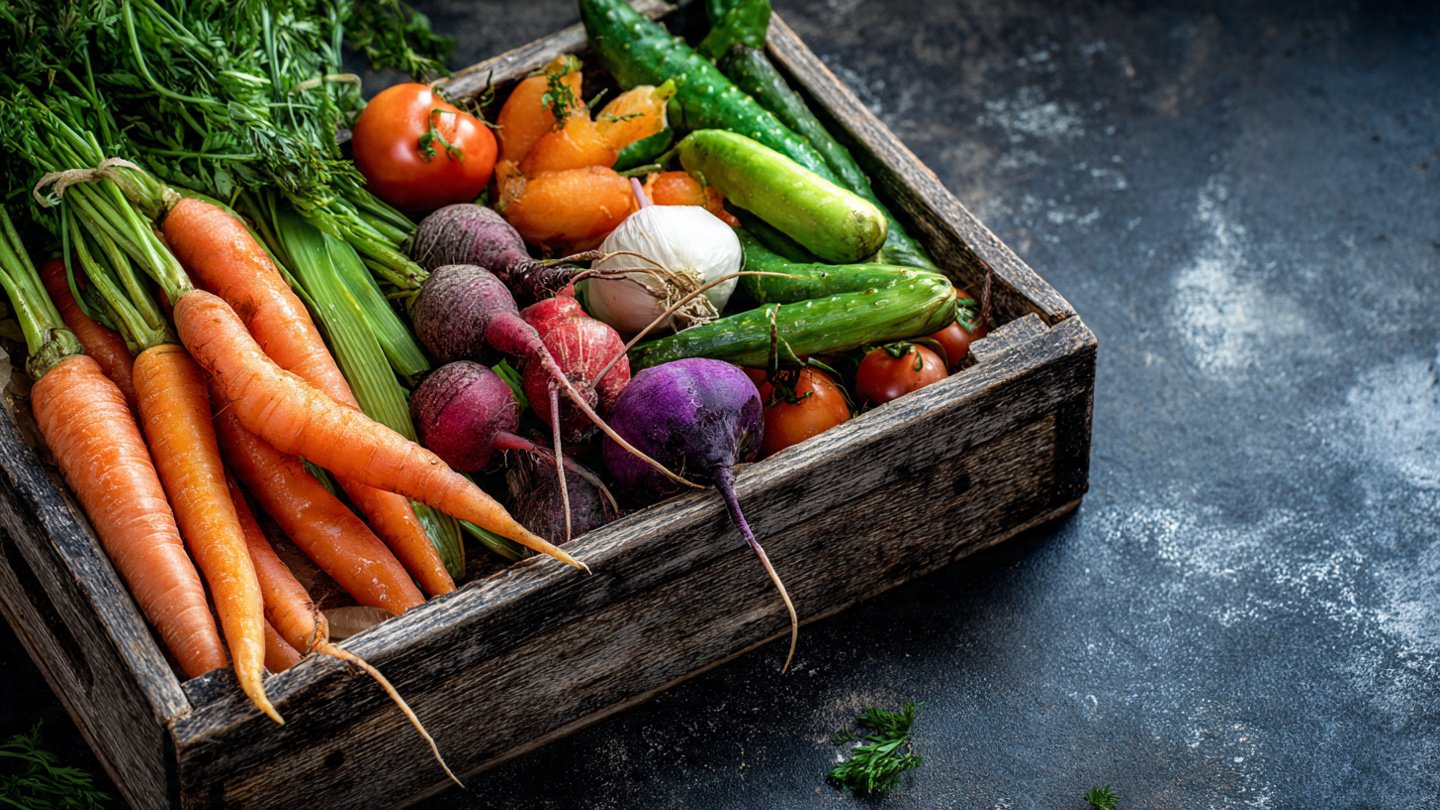
Vegetables are a staple in diets around the world, valued for their nutritional benefits and culinary versatility. However, it’s not uncommon for consumers and chefs alike to experience unexpected changes in the flavors of these vegetables—sometimes becoming sharp, bitter, or unusually pungent. Understanding the causes behind these sudden flavor alterations can enhance our cooking techniques, improve our palate, and help us choose the best produce for our meals.
The Science of Flavor
Before diving into the reasons for flavor changes in vegetables, it’s essential to understand what constitutes flavor. Flavor is a complex interaction of taste, aroma, and texture, primarily influenced by volatile compounds that release during cooking. The primary tastes recognized by our taste buds include sweet, sour, salty, bitter, and umami. Each vegetable has its unique balance of these tastes which is shaped by various factors:
-
Chemistry of the Vegetable: The species of the vegetable and its genetic makeup play a crucial role in determining its flavor profile. For example, bell peppers and jalapeños belong to the same family, yet their flavor profiles differ drastically.
-
Biochemical Processes: Enzymatic reactions within the vegetables, particularly after they are harvested, contribute significantly to flavor. Enzymes can break down complex carbohydrates, proteins, and fats into simpler components, altering the vegetable’s taste.
-
Volatile Compounds: These organic chemicals contribute to the aroma and flavor of vegetables. Examples include esters, aldehydes, and terpenes, which can change due to growing conditions or reactions to injury.
Factors Influencing Flavor Changes
1. Growing Conditions
The environment in which vegetables are grown heavily influences their final flavor. Factors such as soil composition, weather, and farming practices can create variations:
-
Soil Quality: Nutrient-rich soil, particularly in minerals like potassium and phosphorus, can lead to sweeter, more flavorful vegetables. Conversely, nutrient-deficient soil can produce bland or sharp-tasting varieties.
-
Water Availability: Water stress can lead to concentration of flavors in some vegetables. For example, tomatoes that suffer from limited water may develop a more intense flavor profile due to the increased sugar concentration that develops as a survival mechanism.
-
Climate: Temperature and sunlight exposure affect the rate of photosynthesis and the development of flavor compounds. Higher temperatures, for instance, can lead to increased production of certain flavor compounds, resulting in a sharper taste.
2. Harvesting Techniques
When vegetables are harvested can greatly impact their flavors. Timing is crucial, and it’s often the case that vegetables allowed to ripen fully on the plant will have a finer flavor profile compared to those harvested prematurely:
-
Maturity at Harvest: Vegetables that are picked before reaching full maturity often have an undeveloped flavor profile. For instance, immature Brussels sprouts may taste bitter and sharp when compared to their mature counterparts.
-
Post-Harvest Handling: Improper handling or storage can lead to spoilage, which in turn affects flavor. For instance, potatoes left in damp conditions may develop a sharper, more stale flavor due to sprouting.
3. Storage conditions
Even after harvest, the storage conditions significantly influence the flavor stability of vegetables. Factors to consider include:
-
Temperature and Humidity: Certain vegetables fare better in specific temperature and humidity settings. For example, root vegetables may develop a sharper flavor if stored at too high a temperature.
-
Ethylene Production: Some vegetables release ethylene gas as they ripen. This gas can accelerate ripening in other nearby produce. For example, placing bananas next to tomatoes can cause the tomatoes to over-ripen quickly, leading to a drastic change in flavor.
4. Aging and Biological Changes
As vegetables age, natural biochemical processes take place that affect flavor. Enzymatic reactions continue even after harvesting, leading to flavor changes:
-
Decomposition: Over time, vegetables can start to rot. As they break down, volatile compounds change, leading to off-flavors and sharpness. For example, old carrots may take on a bitter or off-taste.
-
Flavor Concentration: On the other hand, some vegetables may develop a sharper flavor profile as their water content decreases with age. As plants lose moisture, sugar concentrations may increase, resulting in enhanced flavor.
5. Genetic and Breeding Factors
Modern agricultural practices have led to the development of hybrid vegetables that often possess desirable traits such as uniformity, pest resistance, or yield. However, this can also lead to unintended flavor changes:
-
Hybridization: Some hybrids may prioritize crop yield over flavor, resulting in less desirable taste profiles. For example, certain commercial tomato varieties are bred for transportability and durability rather than rich flavor.
-
Selective Breeding: Traditional methods of selective breeding can sometimes overlook flavor characteristics, focusing instead on resistance to pests or uniformity in size and shape.
6. Cooking Methods
How vegetables are prepared and cooked can also lead to sudden changes in flavor:
-
Temperature and Time: Cooking vegetables often brings out various flavor compounds, but using high temperatures or cooking for too long can lead to charred, bitter flavors. For instance, overcooking Brussels sprouts can result in a pungent, almost acrid taste.
-
Acid and Salt: The addition of acidic ingredients (like vinegar or lemon juice) or salt can drastically alter the flavor profile of vegetables. Sometimes, even a small amount of acid can completely change a dish’s character, making vegetables seem sharper or more pronounced.
7. Pests and Diseases
Plants that are stressed by pests or diseases may develop off-flavors as a response:
-
Pest Infestation: Certain pests can introduce bitter or sharp flavors as a defense mechanism. For example, cabbage infested with aphids or other pests might develop a sharp, unfavorable taste.
-
Disease Symptoms: Diseases like blight can affect the cellular structure of vegetables, causing them to taste more bitter or sharp. The presence of molds or fungal infections can also produce off-flavors.
Mitigating Flavor Changes
Understanding the causes behind sudden, sharp changes in vegetable flavor can help consumers and cooks take proactive measures:
-
Select Seasonal and Local Produce: Seasonal vegetables are more likely to be flavorful and were harvested at their peak ripeness. Purchasing from local farmers’ markets can often yield fresher, tastier vegetables.
-
Proper Storage: Educating oneself about proper storage techniques can help maintain flavor. For instance, placing vegetables in the appropriate humidity and temperature settings can prolong their freshness and taste.
-
Experiment with Cooking: Trying alternative cooking methods can help mitigate off-flavors. For example, roasting Brussels sprouts instead of boiling them can enhance their sweetness while eliminating bitterness.
-
Freshness First: Always aim to use fresh vegetables. Checking for signs of spoilage, such as soft spots, unpleasant smells, or discoloration can prevent the introduction of off-flavors in dishes.
-
Educate Yourself: Knowing the variety of vegetables and their expected flavors helps refine palate preferences and enhances overall cooking skills.
Conclusion
Flavors in vegetables can shift unexpectedly due to a variety of factors, from growing conditions to post-harvest handling and cooking methods. Becoming aware of these elements can not only improve cooking practices but also lead to a more meaningful appreciation of the produce we consume. By understanding the intricate details tied to flavor changes, we can make better choices in sourcing, cooking, and enjoying vegetables. The pursuit of understanding the complexities of flavor can ultimately lead to a more flavorful and nutritious dining experience.