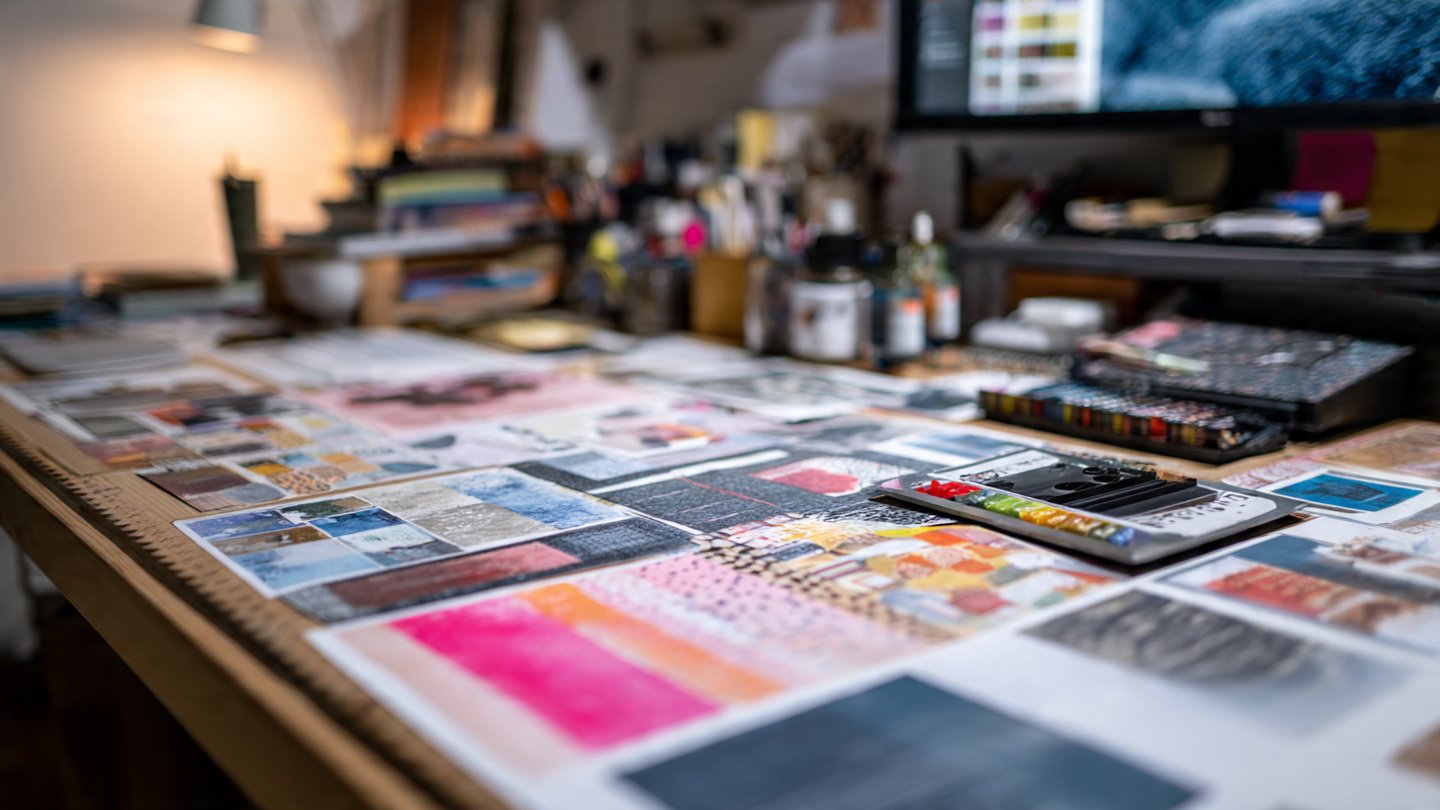
In the fast-evolving world of design, where creativity meets functionality, innovative layout techniques serve as essential tools for artists, designers, and any creative individuals seeking to express their ideas aesthetically. The way content is arranged can significantly impact not only the appeal of a piece but also how effectively it communicates its message. This guide explores various innovative layout techniques that can unlock creativity and inspire fresh ideas in your design projects.
Understanding the Importance of Layout
Layout goes beyond mere arrangement; it encompasses the strategic placement of elements to create a harmonious and engaging experience for the viewer. Here are several reasons why layout is crucial:
- Guides Attention: A well-structured layout naturally guides the viewer’s eye, helping them focus on key elements.
- Establishes Hierarchy: It conveys a sense of order, emphasizing important content through size, placement, and contrast.
- Enhances Readability: Proper spacing and alignment can significantly improve the readability of textual content.
- Conveys Brand Identity: An effective layout reinforces a brand’s personality and can evoke emotions and associations.
Innovative Layout Techniques
1. Grid Systems
Grid systems are a time-tested method utilized by designers to establish a clean and organized composition. By breaking the layout into columns and rows, you can maintain consistency across various layouts. Advanced grid systems like the modular grid enhance flexibility while keeping visual harmony, making them ideal for responsive web design.
2. Asymmetrical Layouts
Asymmetry offers a dynamic alternative to traditional layouts. By deliberately placing elements off-center or contrasting different sizes and shapes, you create visual tension that captures the viewer’s attention. This technique is widely used in modern design, especially in editorial layouts and advertising campaigns.
3. Layering
Layering combines various elements such as text, images, and shapes to create depth and interest. By adjusting opacity and using overlapping elements, a designer can evoke a sense of three-dimensional space. This technique is particularly effective in web design, where layers can enhance user interaction.
4. White Space
Often underestimated, white space is a powerful tool for effective layouts. It gives breathing room to design elements, enhances readability, and directs the viewer’s focus. Utilizing adequate white space allows other components to stand out without overwhelming the viewer.
5. Dynamic Text and Typography
Typography plays a pivotal role in layout design. Innovative layouts leverage typography not just for readability, but as an integral design element. Mixing different font weights, sizes, and styles can create contrast and emphasis. Experimenting with text alignment and spacing can also yield unique visual experiences.
6. Icon Integration
Incorporating icons within layouts can enhance visual communication. Icons simplify complex messages and add an engaging layer of design. They can be used as focal points to draw attention or as navigational aids, making the overall layout more intuitive.
7. Visual Storytelling
Layouts can be used to tell a story, guiding the viewer through a narrative journey. By arranging content sequentially and using imagery to illustrate key points, you create an engaging narrative flow. This technique is particularly effective in long-form content and presentations.
Practical Applications
Applying these innovative layout techniques can transform your design projects across various mediums. Here are a few areas where you can implement these strategies:
- Web Design: Utilize grid systems and layering to create responsive and visually appealing websites.
- Print Media: Use asymmetrical layouts and visual storytelling for eye-catching magazines and brochures.
- Advertising: Employ typography and icon integration for compelling and persuasive advertisements.
- Presentations: Transform traditional slides using dynamic text and layering techniques.
Testing and Iteration
Once you’ve applied innovative layout techniques, it’s essential to test and iterate your designs. Feedback from peers and target audiences can provide valuable insights for improvement. Use tools like A/B testing for digital layouts to see which designs resonate best with users.
Leveraging Technology
Technology offers numerous tools that can aid in creating innovative layouts. Design software like Adobe Illustrator and Figma provide templates and customizable options that help designers experiment with different techniques. Prototyping tools allow for quick iterations, making it easier to implement innovative ideas.
Conclusion
Unlocking creativity through innovative layout techniques requires a balance of strategic thinking and artistic expression. By exploring grid systems, asymmetrical layouts, layering, and other methods, you can enhance your design projects and engage your audience more effectively. Remember that the key to great design is not just in what you create, but how you present it. Continually experiment, seek feedback, and refine your layouts to discover new possibilities.
FAQs
What is a grid system and why is it important?
A grid system is a structure that divides a layout into columns and rows, helping maintain consistency and organization across various designs. It is important because it provides a framework for designers to work within, ensuring harmony and balance.
How can I effectively use white space in my designs?
White space can be effectively utilized by ensuring there is enough breathing room between elements. This improves readability and allows important content to stand out. Experiment with different spacing values to find the right balance.
Can innovative layout techniques apply to all types of design?
Yes, innovative layout techniques can be adapted to various design types, including print media, web design, advertising, and more. The key is to understand how each technique contributes to the overall message and aesthetic of the design.
What are some tools I can use to create innovative layouts?
Tools such as Adobe Photoshop, Illustrator, Figma, and InDesign are excellent for creating innovative layouts. Additionally, online resources like Canva can assist non-designers in achieving creative results.
How do I know if my layout is effective?
To determine if your layout is effective, gather feedback from users and peers. Observe how well it communicates the intended message and whether it engages the audience. Utilizing A/B testing can help identify which design performs better from a user engagement perspective.