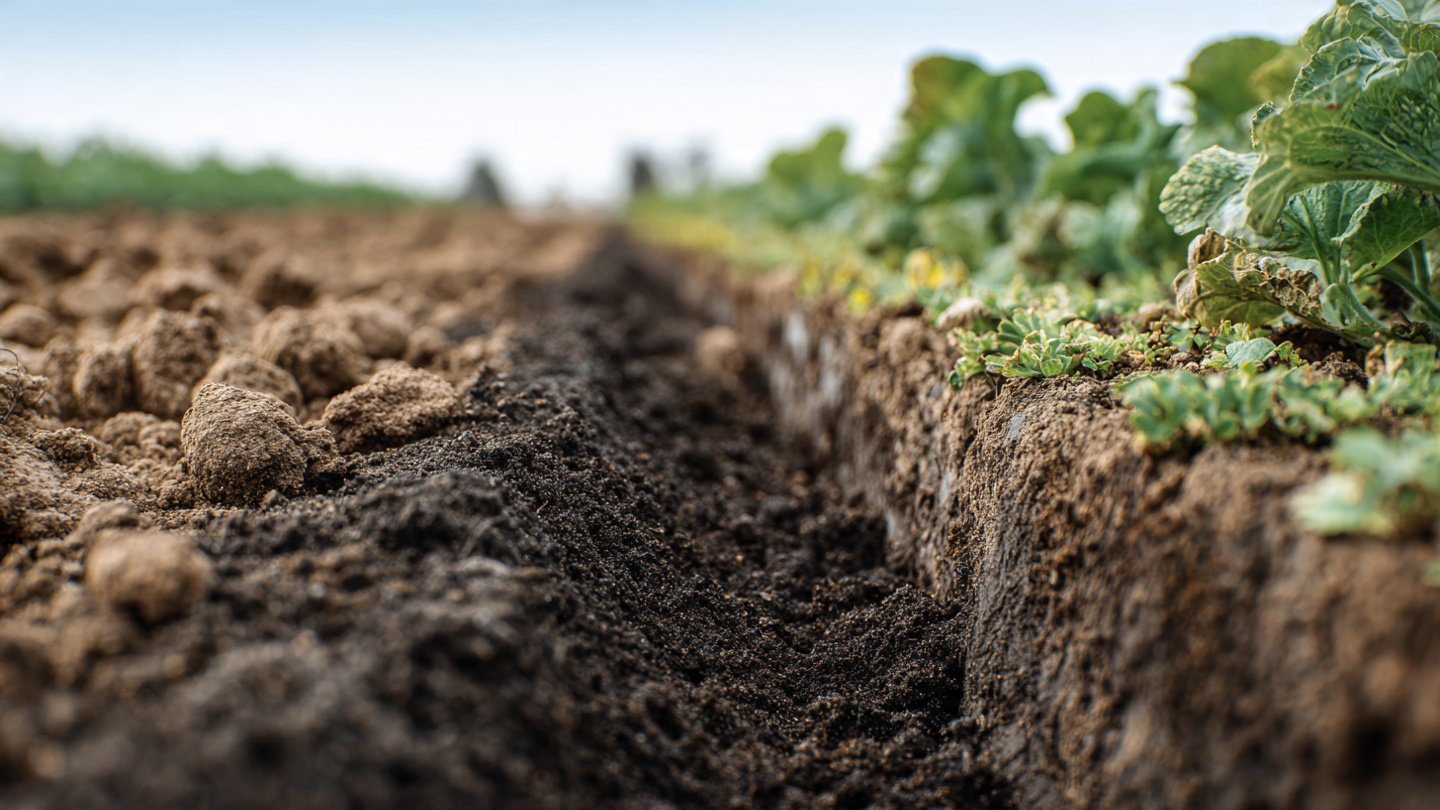
Soil is a vital resource that provides the essential nutrients and environment for plants to grow. Understanding the different soil types is crucial for farmers and agriculturalists looking to optimize crop yields. This article explores various soil types, their characteristics, and their impact on agricultural productivity.
The Importance of Soil in Agriculture
Soil is not just a passive growing medium; it is a complex ecosystem that supports plants and influences their growth. Factors such as soil texture, structure, pH, and nutrient availability play significant roles in determining the productivity of crops. Effective soil management can lead to sustainable agricultural practices and higher yields.
Soil Composition and Structure
Soil is composed of several components:
- Mineral Particles: Comprising sand, silt, and clay, these particles determine the soil’s texture.
- Organic Matter: Decayed plant and animal materials provide nutrients and improve soil structure.
- Water: Essential for plant growth, it dissolves nutrients and allows for absorption by roots.
- Air: Essential for microbial activity and root respiration.
Main Soil Types
1. Sandy Soil
Sandy soil consists predominately of sand particles, giving it a coarse texture. It drains quickly, which can be beneficial for certain crops but may require more frequent irrigation.
- Characteristics: Light, dry, and warm.
- Advantages: Good drainage, easy to work with, warms quickly in spring.
- Disadvantages: Low nutrient and water-holding capacity, more susceptible to drought.
2. Clay Soil
Clay soil is made up of very fine particles that compact easily, making it dense and heavy. It retains moisture but may lead to poor drainage.
- Characteristics: Heavy, sticky when wet, and cracks when dry.
- Advantages: Retains nutrients and moisture well.
- Disadvantages: Poor aeration, difficult to cultivate when wet.
3. Silt Soil
Silt soil consists of medium-sized particles and has a smooth texture. It retains moisture better than sandy soil but can become compacted if overworked.
- Characteristics: Smooth, retains moisture effectively.
- Advantages: Rich in nutrients and good for farming.
- Disadvantages: Erosive, particularly when wet.
4. Loamy Soil
Loamy soil is a balanced mixture of sand, silt, and clay, considered ideal for agriculture due to its fertility and drainage properties.
- Characteristics: Well-balanced, fertile.
- Advantages: Ideal nutrient retention and drainage. Good structure for root growth.
- Disadvantages: Can be costly to maintain due to organic amendments.
5. Peaty Soil
Peaty soil is rich in organic matter and tends to retain moisture well. It can be acidic, which may limit the types of crops that can be grown.
- Characteristics: Dark-colored, high organic content.
- Advantages: High moisture and nutrient retention.
- Disadvantages: Can be acidic, limiting to certain crops.
Impact of Soil Type on Crop Yield
Different crops have specific soil requirements to thrive. For instance:
- Vegetables: Often flourish in loamy soils owing to nutrient richness and good drainage.
- Root Crops: Such as carrots and potatoes prefer sandy soils that allow for easy growth and expansion.
- Grains: Wheat and corn can adapt to multiple soil types but generally favor loamy or silty soils for optimum growth.
Soil Testing and Management
Regular soil testing is essential for understanding its composition and nutrient content. Tests can reveal:
- Soil pH levels—important for nutrient availability.
- Macronutrient levels—like nitrogen, phosphorus, and potassium.
- Micronutrients—such as zinc or iron, which can be vital for plant health.
Based on test results, soil management practices may include:
- Amending the soil with organic materials to improve structure and nutrient content.
- Adjusting pH with lime or sulfur to optimize nutrient availability.
- Utilizing cover crops and crop rotation to maintain soil health.
Conclusion
Understanding soil types is fundamental to achieving better crop yields in agriculture. Each soil type has unique characteristics that influence its management and the types of crops that can be grown successfully. By conducting soil tests and applying proper agricultural practices, farmers can enhance their soil’s health, improve nutrient availability, and ultimately increase productivity. Sustainable soil management not only supports crop yields but also promotes long-term agricultural success.
FAQs
1. How can I tell what type of soil I have?
You can perform a simple soil test by feeling the texture when wet. Sandy soil will feel gritty, clay will feel sticky, and loamy soil will feel smooth. For a more accurate analysis, consider sending samples to a laboratory for testing.
2. What crops grow best in sandy soil?
Crops such as carrots, potatoes, and other root vegetables thrive in sandy soil, as it allows for easy root expansion and drainage.
3. How do I improve clay soil for farming?
To improve clay soil, incorporate organic matter like compost or well-rotted manure, which can enhance drainage and aeration. Additionally, practicing crop rotation and avoiding overworking the land can prevent compaction.
4. Why is soil pH important?
Soil pH affects nutrient availability to plants. Nutrients are optimally available within a certain pH range, typically between 6.0 and 7.5 for most crops. Adjusting pH through amendments can improve crop growth and yield.
5. What is the role of organic matter in soil?
Organic matter improves soil structure, enhances nutrient and moisture retention, and supports microbial life, which is crucial for soil health and fertility.