Introduction
Plants, like all living organisms, can exhibit signs of distress due to various environmental and biological factors. One of the most alarming signs for a plant owner is sudden plant droop, characterized by wilting leaves and stems that lose their turgor. Understanding the causes of this phenomenon is crucial for effective plant care and recovery.
What is Sudden Plant Droop?
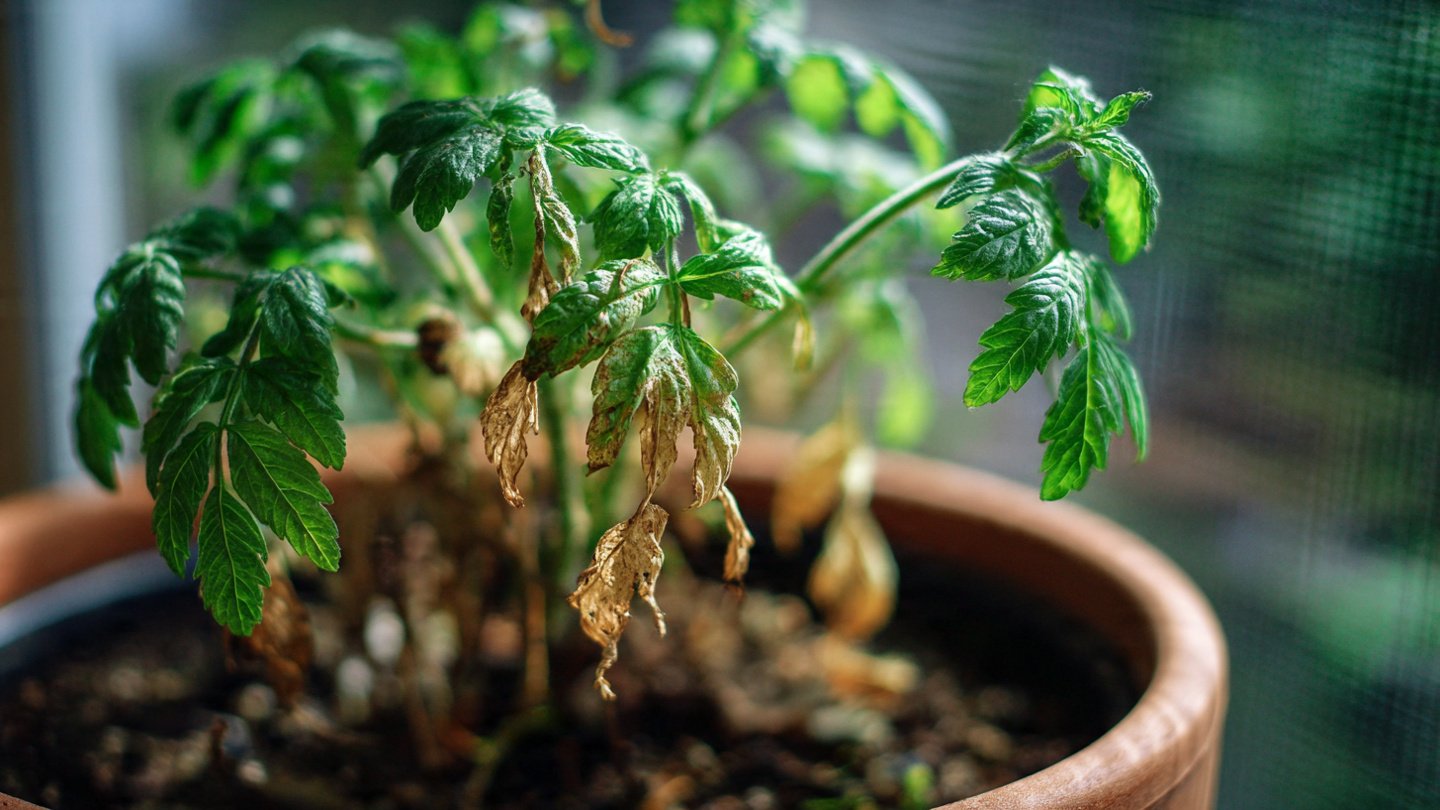
Sudden plant droop occurs when a plant’s leaves and branches drop or wilt unexpectedly. It can happen overnight or over the course of just a few hours. The droop can affect the entire plant or only specific sections and can indicate a variety of underlying issues ranging from watering problems to pest infestations.
Common Causes of Sudden Plant Droop
1. Overwatering
One of the most prevalent causes of sudden droop is overwatering. Excess water can saturate the soil, leading to root rot, which deprives the plant of necessary nutrients and oxygen. Signs of overwatering often include yellowing leaves and a foul odor emanating from the soil.
2. Underwatering
Conversely, underwatering can also lead to drooping. When plants do not receive enough water, they lose turgor pressure. The leaves may curl, and the soil may appear dry and cracked. Situations like high temperatures can escalate the effects of underwatering.
3. Nutrient Deficiency
Lack of essential nutrients such as nitrogen, phosphorus, or potassium can cause plants to exhibit drooping behavior. Nutrient deficiencies often lead to poor overall growth, yellowing leaves, and poor flowering or fruiting.
4. Stress Factors
Plants can experience stress due to various external factors, including changes in temperature, humidity, or light exposure. For example, a sudden drop in temperature can shock the plant, resulting in wilting. Similarly, excessive heat or direct sunlight can cause the plant to lose moisture rapidly.
5. Pests and Diseases
Infestations of pests such as aphids, spider mites, or whiteflies can drain the vigor of a plant, leading to drooping. Diseases, especially fungal infections, can also negatively affect plant health. If you notice small insects or webs, it’s essential to act quickly to save the plant.
6. Root Problems
Healthy roots are vital for plant stability and health. However, problems such as rootbound conditions or root rot can prevent the plant from absorbing water and nutrients effectively. Signs include a lack of growth and yellowing leaves along with drooping.
7. Environmental Factors
Poor air circulation, low humidity, and incorrect potting can all contribute to sudden droops. Ensuring your plant has adequate airflow and proper humidity can help maintain its health. Moreover, sealing plants in non-breathable pots can lead to moisture retention, which ultimately harms root health.
Diagnosing the Problem
The first step in addressing sudden plant droop is to identify the underlying cause. Begin by examining the plant’s recent conditions, including its watering schedule, sunlight exposure, and any visible signs of pests or diseases. Feel the soil to determine moisture content and check the plant’s leaves and stems for any abnormalities.
Treatment and Recovery
Once you have diagnosed the issue, the next step is to implement corrective actions:
1. Adjust Watering Practices
If overwatering is suspected, allow the soil to dry out before watering again. On the other hand, if the issue is underwatering, establish a consistent watering schedule, making sure water penetrates deeply.
2. Fertilize as Necessary
For nutrient deficiencies, applying a balanced fertilizer can help replenish essential nutrients. Follow the manufacturer’s instructions closely to avoid over-fertilization.
3. Improve Environmental Conditions
Check the humidity levels and temperature in the plant’s environment. Adjust conditions to fit the specific needs of the plant. If sudden temperature drops are likely, consider relocating the plant or providing insulation.
4. Treat Pests and Diseases
If you’ve identified pests, apply appropriate treatments, whether neem oil, insecticidal soap, or manual removal. For diseases, removing infected parts and applying fungicides may be necessary.
5. Re-pot if Necessary
If the plant is root-bound or if root rot is suspected, considering re-potting it into fresh soil with proper drainage can make a significant difference. Be sure to trim any damaged roots during the process.
Preventing Future Occurrences
Once your plant has recovered, it’s essential to take steps to prevent future droop:
- Establish a regular watering schedule based on plant type and environmental conditions.
- Monitor nutrient levels and adjust fertilization accordingly.
- Ensure proper drainage and airflow in the planting area.
- Regularly inspect the plant for early signs of pest infestations or diseases.
- Provide appropriate lighting conditions tailored to the specific needs of your plant.
Conclusion
Sudden plant droop is a concern that can stem from multiple causes, including watering issues, nutrient deficiencies, and environmental stressors. Understanding these causes is the first step toward effective troubleshooting and recovery. By taking prompt action and implementing preventive measures, plant owners can ensure their green friends thrive rather than languish.
FAQs
1. How can I tell if I am overwatering or underwatering my plant?
Check the soil moisture level. Overwatered plants often have yellowing leaves and soggy soil, while underwatered plants will exhibit dry, cerated soil and wilting leaves.
2. What should I do if my plant is infested with pests?
Identify the type of pests and treat accordingly with insecticidal soap, neem oil, or manual removal. Regular monitoring can help catch infestations early.
3. Can I save a plant that is severely wilted?
In many cases, yes. The first step is to identify and correct the root cause, whether that’s adjusting watering, repotting, or treating for pests. With the right care, your plant may recover.
4. How often should I fertilize my indoor plants?
This depends on the plant species and growth stage, but generally, once a month during the growing season is sufficient. Always follow the guidelines on your fertilizer.
5. What are the signs that my plant needs to be repotted?
Signs include roots growing out of the drainage holes, stunted growth, and soil that dries out too quickly after watering.