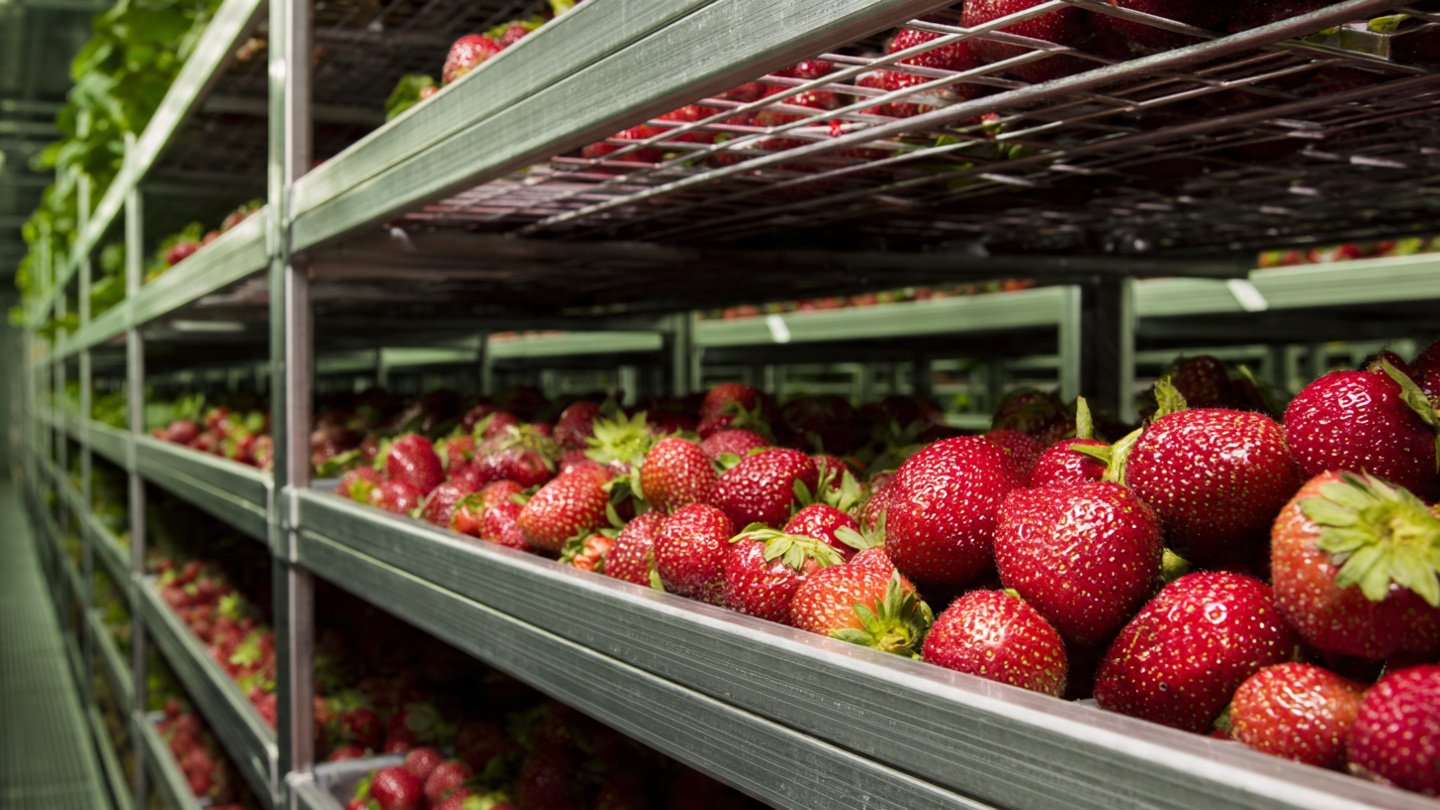
Fresh fruits are the cornerstone of a healthy diet, offering vital nutrients, vitamins, and minerals. However, one of the biggest challenges faced by retailers and consumers alike is maintaining the freshness of these perishable goods. The way we store fruits can significantly influence their shelf life and quality, and recent studies show that boosting shelf height can extend freshness and storage life. This article explores the science behind this approach, the mechanisms at play, practical applications, and the implications for both retailers and consumers.
The Importance of Freshness in Fruits
Fruits are not only delicious but also packed with essential nutrients. However, they are highly perishable due to their high moisture content, which makes them susceptible to spoilage, mold, and decay. Freshness affects not just the nutritional quality of fruits but also their taste and appearance, which in turn can influence consumer purchasing decisions. Retailers strive to maximize the shelf life of fruits to minimize losses, ensure customer satisfaction, and promote healthy eating.
The Science of Perishability
Respiration and Ethylene Production
Fruits undergo a natural process called respiration, a biochemical reaction in which they consume oxygen and release carbon dioxide. This process is crucial for energy production but also complicates storage. As fruits ripen, they produce ethylene gas, a natural plant hormone that accelerates the ripening process. While ethylene is essential for fruit maturation, excessive levels can lead to over-ripening and spoilage.
Environmental Factors
Temperature, humidity, and airflow are significant environmental factors that impact the shelf life of fruits. Ideally, fruits should be stored at a cool temperature with optimal humidity and adequate ventilation to reduce spoilage. Maintaining these conditions can be challenging, especially in retail settings where various fruits are displayed together.
The Role of Shelf Height
Recent studies have indicated that shelf height can significantly influence fruit storage life. Shelves that are set higher off the ground can lead to better air circulation and reduced exposure to ethylene gas, resulting in extended freshness.
Benefits of Boosting Shelf Height
Improved Air Circulation
When fruits are displayed at a higher elevation, they benefit from increased airflow. This circulation helps manage temperature and humidity levels more effectively, reducing the concentration of ethylene gas around the fruits. As a result, respiratory stress is minimized, slowing down the ripening process.
Reduced Ethylene Exposure
Lower shelves often trap ethylene gas released by ripe fruits, creating an environment that accelerates the ripening process for other fruits nearby. By raising the height of fruit displays, retailers can help ensure that ethylene does not accumulate, further prolonging the storage life of both ripe and unripe fruits.
Enhanced Visibility and Aesthetic Appeal
Higher shelves provide better visibility for products, making them more appealing to consumers. A visually attractive display can capture customer interest and increase produce sales, ultimately benefiting both retailers and consumers.
Ergonomics and Accessibility
Raising fruit displays can improve ergonomics in retail environments. Customers can reach for fruits without bending down, making shopping a more comfortable experience. This can also lead to increased purchases, as consumers are less likely to overlook items that are more easily accessible.
Practical Applications in Retail
Designing Elevated Displays
Retailers can consider designing elevated fruit displays that incorporate various heights to create visual interest and maximize airflow. Adjustable shelves allow for flexibility in arrangement, accommodating different types of fruits that may require specific storage conditions.
Utilizing Transparent Containers
Using transparent containers for higher shelves allows consumers to see the product easily, encouraging purchases. These containers can also help manage humidity levels while minimizing ethylene exposure.
Monitoring Environmental Conditions
Retailers should invest in technology that monitors temperature and humidity levels in real-time. This data can help optimize storage conditions for fruits, ensuring they remain fresh for as long as possible.
Staff Training
Training staff on the importance of display height and proper handling of fruits can contribute to enhanced freshness. Employees can be educated on best practices for fruit handling, storage, and display to maximize shelf life.
Implications for Consumers
Education on Storage Techniques
Consumers can benefit from understanding the relationship between shelf height and fruit freshness. When shopping, they should look for well-maintained displays that allow for optimal airflow and minimized ethylene exposure.
Home Storage Solutions
Consumers can also apply these principles at home. Fruits should be stored in a well-ventilated area, away from areas where ethylene gas can build up, such as near ripe bananas. Utilizing elevated storage containers or baskets can help improve airflow around the fruits.
Buying Fresh and Local
Opting for local produce can also contribute to longer freshness. Farmers’ markets often feature fruits that have been harvested recently and thus may not have undergone prolonged storage. This practice also supports local economies and reduces carbon footprints.
Challenges and Considerations
Initial Investment
Retailers may face an initial investment in designing and installing elevated shelf systems. However, the long-term benefits in terms of reduced waste and increased sales can outweigh these costs.
Space Limitations
In many retail setups, space constraints might limit the height of shelving. Retailers must strike a balance between maximizing shelf height and ensuring accessibility for all customers, including those with mobility issues.
Variation in Fruit Types
Different fruits have varying storage requirements due to differences in respiration rates and sensitivity to ethylene. Retailers must consider these factors when organizing their displays to maximize freshness for all types of products.
Conclusion
Boosting fruit shelf height is a practical and effective method for extending freshness and storage life. By enhancing air circulation, reducing ethylene exposure, and improving product visibility, retailers can create optimal conditions for fruits. This approach not only benefits the business but also enriches the consumer experience and promotes healthier eating habits.
As consumers become more health-conscious and aware of the benefits of fresh produce, understanding the science behind fruit storage becomes increasingly important. By prioritizing freshness and adapting retail strategies, businesses can contribute to healthier communities while reducing food waste. The discussion on fruit shelf height is just one part of a broader conversation about sustainable practices in food retail, yet its impact can reshape the way we think about freshness and food quality in our daily lives.