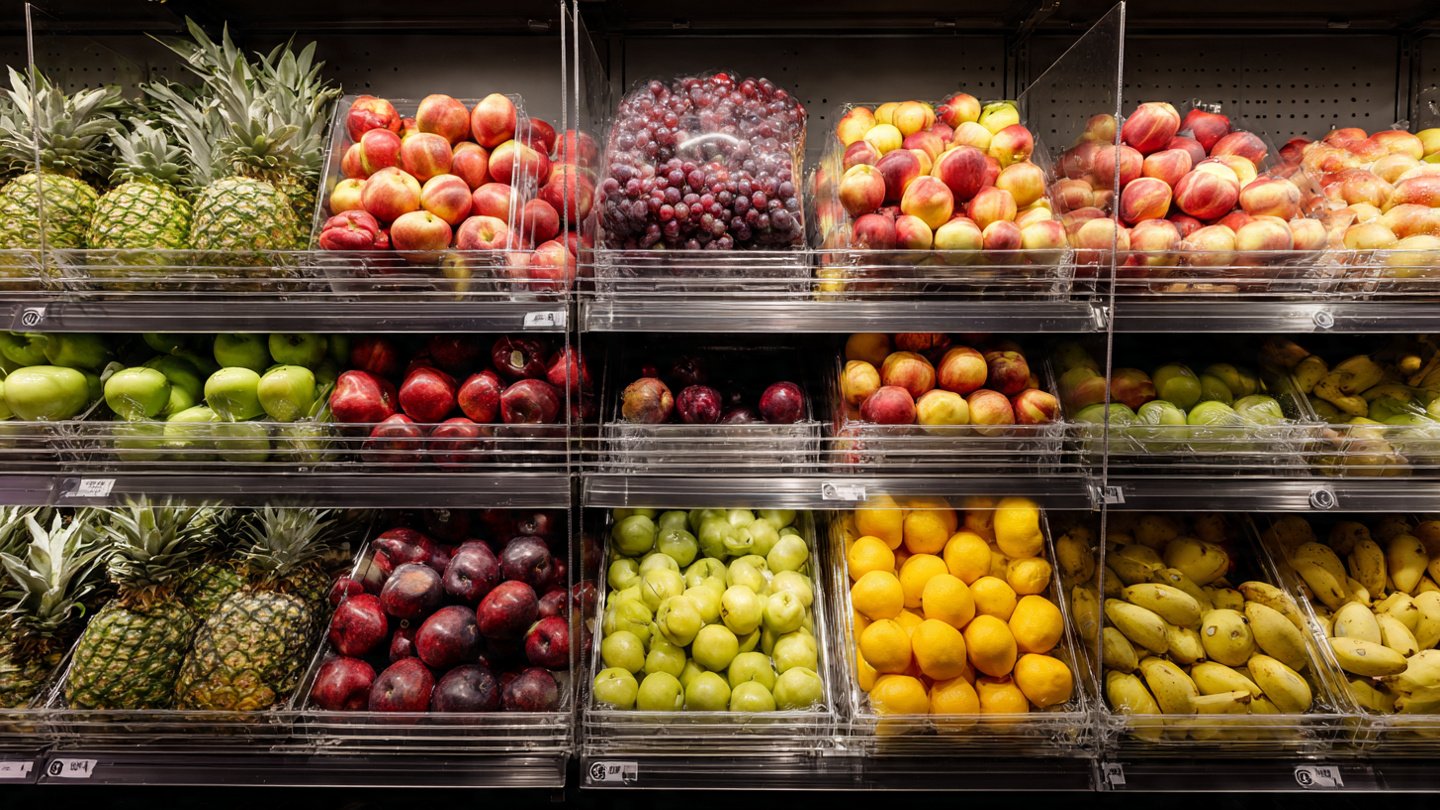
The organization of fruits on shelves is not just about aesthetics; it plays a critical role in ensuring freshness, flavor, and longevity. Understanding the optimal heights for storing fruits can significantly impact their shelf life and overall quality. Below, we delve into the science behind fruit storage, the factors influencing optimal heights, and best practices for various types of fruits.
Understanding the Science of Fruit Storage
Ethylene Production
Fruits like apples, bananas, and avocados produce ethylene gas as they ripen. Ethylene is a natural plant hormone that can accelerate the ripening process. When these fruits are stored together or are placed at inappropriate heights, the concentration of ethylene can increase, leading to premature spoilage. Understanding ethylene’s role in fruit storage is essential for determining the best storage practices.
Temperature and Humidity
Different fruits have varying requirements in terms of temperature and humidity. For instance, berries tend to fare better in cooler temperatures, while tropical fruits prefer warmer conditions. The ideal humidity for fruit storage typically ranges between 85% and 90%, but this can vary based on the type of fruit. High humidity helps prevent dehydration (which leads to decay), whereas low humidity can lead to shriveling.
Light and Ventilation
Light can adversely affect the quality of some fruits. For example, strawberries stored in direct sunlight may lose their color and flavor. Adequate ventilation is also essential, as it helps to lower humidity levels and prevents mold growth. Thus, choosing the right height on a shelf should take into account both light exposure and airflow.
Determining Optimal Heights Based on Fruit Types
1. Apples
Apples benefit from being stored around 40-45 degrees Fahrenheit, ideally at 30 to 40 inches above the ground in a cool, dark place. Storing them at eye level allows for easy visibility while encouraging a cool temperature if the shelves are located in a refrigerator or a cool pantry.
2. Bananas
Bananas release a significant amount of ethylene. To slow down their ripening, they should be stored at a height of about 48 inches to avoid ethylene buildup from other fruits. Ideally, they should be kept in a hanging basket or a bowl where they can have excellent air circulation.
3. Berries
Berries are delicate and need to be handled with care. They should be stored on a shelf height of around 30 inches for optimal accessibility and visibility. This height allows for proper observation, helping to prevent spoilage by making it easy to identify which fruits need to be consumed first.
4. Citrus Fruits
Citrus fruits, such as oranges and lemons, thrive at room temperature. Storing them at a height of 30–40 inches shields them from excessive light and makes them easy to reach. A good practice is to place them in a well-ventilated bowl or on a shelf with sufficient airflow.
5. Avocados
Avocados continue to ripen after harvest, making their ethylene production critical to monitor. They can be stored at a height between 30 to 40 inches, preferably in a location out of direct sunlight. When storing avocados with other fruits, consider their ethylene production to prevent competing ripeness levels.
6. Grapes
Grapes are best stored slightly chilled, around 30–32 degrees Fahrenheit. For easy access and to facilitate airflow, a shelf height of around 36 inches is ideal. Grapes should be kept in perforated containers to allow moisture to escape, and this height helps keep them fresh without accumulating too much humidity.
Factors Influencing Shelf Height Selection
1. Age and Physical Ability
For households with children or elderly individuals, the height of fruit storage is essential. Placing fruits at an accessible level encourages consumption and reduces the risk of accidents related to reaching for items stored too high or too low.
2. Shelf Material and Design
The design and material of the shelves can influence temperature and humidity levels. Wooden shelves, for example, can retain moisture, affecting storage conditions. Acrylic shelves allow for airflow but may not provide the best insulation. Each material has advantages and disadvantages that should influence shelf height decisions.
3. Kitchen Layout
The layout of your kitchen or storage area should guide height choices. Ensure that fruits are easy to access without cluttering other items. A mobile cart, for instance, can enable easy access to fruits without occupying vertical space.
4. Common Practices and Traditions
Many cultures have specific traditions regarding fruit storage. For instance, some may prefer to hang fruits like bananas. Understanding and integrating these practices can help establish an optimal approach to storing fruits while respecting culinary traditions.
Best Practices for Storing Fruits
1. Use Crates or Baskets
Storing fruits in crates or baskets allows for better airflow and reduces the risk of bruising. This is particularly important for delicate fruits like berries or peaches. Ensure that these storage options are placed at optimal heights for maximum visibility.
2. Monitor Ripening Progress
Regularly check on the fruits stored at various shelf heights. This practice allows you to differentiate between which fruits are ripening faster due to ethylene exposure and should be consumed first. Rotate fruits based on their ripeness to minimize waste.
3. Keep Separate
Separate fruits that produce high levels of ethylene from those sensitive to it. For instance, storing apples and bananas away from each other can significantly prolong their shelf life.
4. Clean Regularly
Regularly cleaning your fruit storage area helps prevent mold and decay. This task is especially crucial for fruits like cherries and grapes that can harbor bacteria if not handled properly.
5. Adjust Heights as Needed
Don’t hesitate to adapt shelf heights based on seasonal changes. For instance, summer fruits may need to be stored higher to prevent excess moisture, while winter fruits can be placed lower to maintain optimal humidity levels.
6. Check Temperature Regularly
Invest in a thermometer to monitor temperature fluctuations in your storage areas. Various fruits require different temperature settings, and staying on top of these can ensure optimal storage conditions.
Conclusion
Understanding the optimal heights for storing fruits on shelves is crucial for those who want to maintain their quality, flavor, and freshness. By taking into consideration factors like ethylene production, temperature, humidity, and individual fruit needs, one can create an effective storage strategy. The insights provided here help in making informed decisions about how to best organize fruits in any kitchen or storage area. Properly stored fruits not only enhance our meals but also contribute to healthier eating habits, ensuring that we enjoy all the benefits of fresh produce.
By implementing these practices, you can optimize your fruit storage, reduce waste, and ensure that your fruits are not only delicious but also nutritious, leading to a far more enjoyable culinary experience.