Introduction: From Waste Bottles to a Green Masterpiece
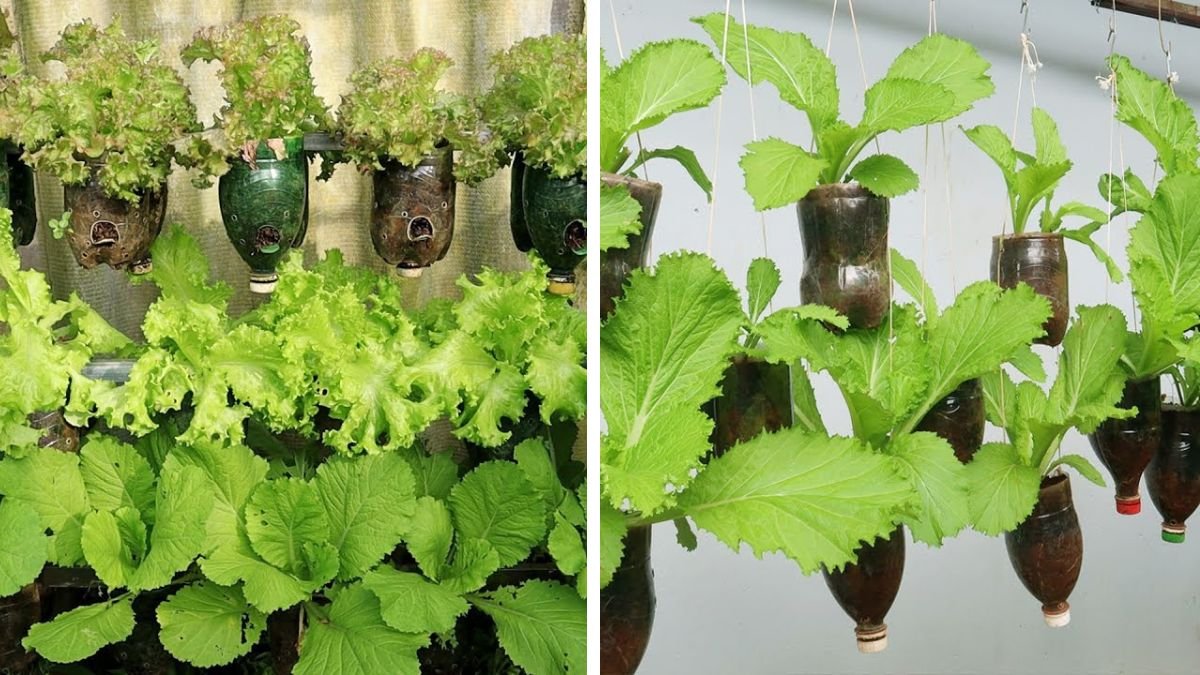
Old plastic bottles often end up as waste, creating environmental problems. Surprisingly, these bottles can be transformed into a beautiful and productive hanging vegetable garden. This method turns unused vertical space into a living green wall. It is perfect for balconies, terraces, and small courtyards. Hanging bottle gardens are affordable and eco-friendly. Vegetables grow clean and healthy. Maintenance is simple and enjoyable. This guide explains how to turn a series of old plastic bottles into a stunning hanging vegetable garden.
Why Hanging Bottle Gardens Are So Effective
Hanging bottle gardens use vertical space efficiently. Roots get good air circulation. Drainage is excellent, preventing root rot. Plants receive more even sunlight. Pests find it harder to reach plants. Soil stays loose and healthy. Watering becomes controlled and efficient. This method combines beauty with productivity.
Best Vegetables for Hanging Bottle Gardens
Leafy vegetables grow best in hanging bottles. Spinach grows fast and stays tender. Lettuce adapts well to shallow containers. Green onions regrow continuously. Herbs like mint and coriander thrive. Cherry tomatoes can also work. Avoid large root vegetables. Proper plant selection ensures success.
Choosing the Right Plastic Bottles
Large plastic bottles are ideal. Bottles should be strong and clean. Avoid brittle or damaged plastic. Cut side openings carefully. Make drainage holes at the bottom. Transparent bottles help monitor moisture. Uniform bottle size improves appearance. Good bottle selection ensures durability.
Preparing Bottles for Hanging
Wash bottles thoroughly before use. Cut planting windows smoothly. Make multiple drainage holes. Attach strong strings or wires. Ensure all bottles hang evenly. Proper preparation prevents accidents. Balanced hanging supports plant health. Safe preparation is essential.
Designing the Hanging Layout
Plan the bottle arrangement carefully. Vertical rows look neat and attractive. Ensure enough spacing between bottles. Allow sunlight to reach all plants. Avoid overcrowding. Symmetrical layouts enhance beauty. Proper design improves airflow. Good layout makes maintenance easier.
Soil Mix for Hanging Vegetables
Use lightweight, fertile soil. Mix garden soil, compost, and cocopeat. Add sand for drainage. Organic matter improves nutrient supply. Soil should not be heavy. Loose soil supports healthy roots. Good soil ensures fast growth. Soil quality is very important.
Planting Vegetables in Bottles
Plant one seedling per opening. Place roots gently into soil. Do not overcrowd plants. Firm soil lightly around roots. Water immediately after planting. Ensure openings face sunlight. Proper planting reduces stress. Healthy starts grow faster.
Watering Hanging Bottle Gardens
Hanging bottles dry quickly. Water regularly but lightly. Morning watering is best. Check moisture daily. Excess water drains easily. Avoid water stagnation. Consistent moisture supports growth. Balanced watering keeps plants healthy.
Fertilizing for Continuous Growth
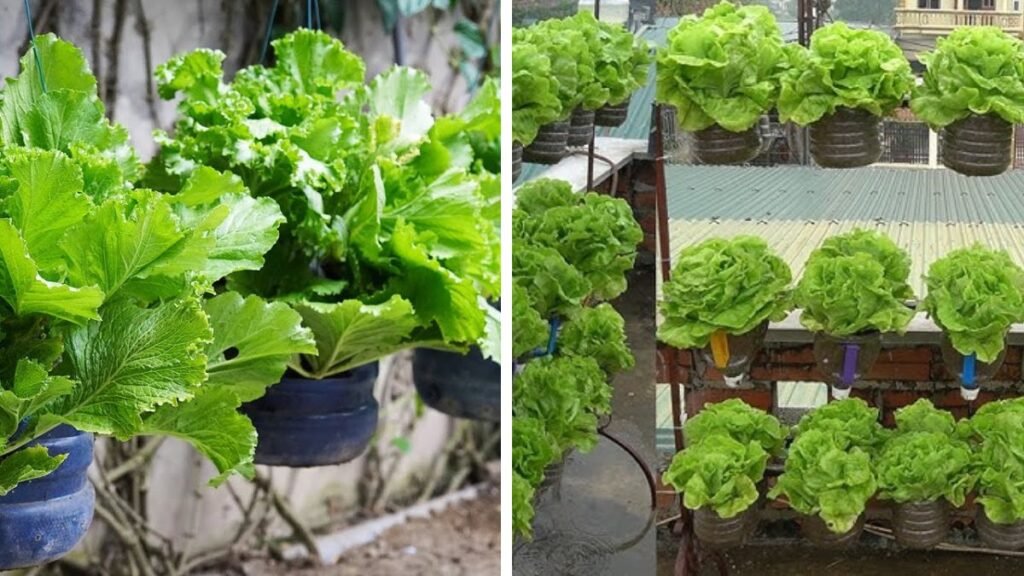
Feed plants every ten to fifteen days. Use compost tea or liquid organic fertilizer. Avoid chemical fertilizers. Natural feeding improves flavor. Balanced nutrients support steady growth. Overfeeding should be avoided. Regular feeding increases yield. Organic nutrition is best.
Sunlight Requirements
Most vegetables need four to six hours of sunlight. Morning sun is ideal. Hanging systems allow easy repositioning. Avoid harsh afternoon sun in summer. Partial shade helps in hot climates. Proper sunlight improves leaf quality. Sun management is crucial.
Pest and Disease Prevention
Hanging gardens face fewer pests. Inspect leaves regularly. Remove damaged leaves immediately. Neem oil spray works well. Good airflow prevents fungal disease. Clean containers reduce infection risk. Healthy plants resist pests. Preventive care protects crops.
Harvesting Vegetables Correctly
Harvest leafy vegetables regularly. Cut leaves gently. Avoid pulling entire plants. Morning harvest keeps produce fresh. Continuous harvesting encourages regrowth. Use clean tools. Proper harvesting extends productivity. Fresh vegetables are always available.
Maintaining the Hanging System
Check hanging strings regularly. Replace weak supports. Clean bottles seasonally. Remove old soil when needed. Rotate plants occasionally. Simple maintenance keeps the system healthy. Regular care prevents problems. Long-term use becomes easy.
Decorative Benefits of Hanging Gardens
Hanging bottle gardens look attractive. Green walls improve home appearance. Plants soften hard surfaces. Gardens add freshness to small spaces. Decorative gardening improves mood. Functional beauty matters. Homes feel more lively. Gardening becomes enjoyable.
Growth Overview Table
| Growth Stage | Time Period | Main Care |
|---|---|---|
| Establishment | One to two weeks | Regular watering |
| Leaf growth | Two to four weeks | Fertilizing |
| Harvest | Continuous | Leaf cutting |
| Regrowth | Ongoing | Water and feed |
Common Mistakes to Avoid
Poor drainage causes root rot. Weak hanging support is dangerous. Overcrowding reduces growth. Skipping fertilization weakens plants. Poor sunlight slows development. Irregular watering stresses plants. Avoiding mistakes ensures success. Proper care gives lush growth.
Why This Method Is Ideal for Urban Homes
No ground soil is required. Walls and balconies become productive. Plastic waste is reused. Maintenance is simple. Fresh food grows nearby. Space is used efficiently. Urban gardening becomes practical. Anyone can try this method.
Benefits of Hanging Bottle Vegetable Gardens
Low cost setup. Eco-friendly recycling. Fresh chemical-free vegetables. Space-saving design. Easy for beginners. Decorative and productive. Suitable for renters. Sustainable lifestyle support.
Final Conclusion
Turning old plastic bottles into a hanging vegetable garden is both beautiful and productive. With simple materials and proper care, vertical bottle gardens produce fresh vegetables in small spaces. This method saves money, reduces waste, and adds greenery to homes. Hanging gardens prove that even waste materials can grow abundance.