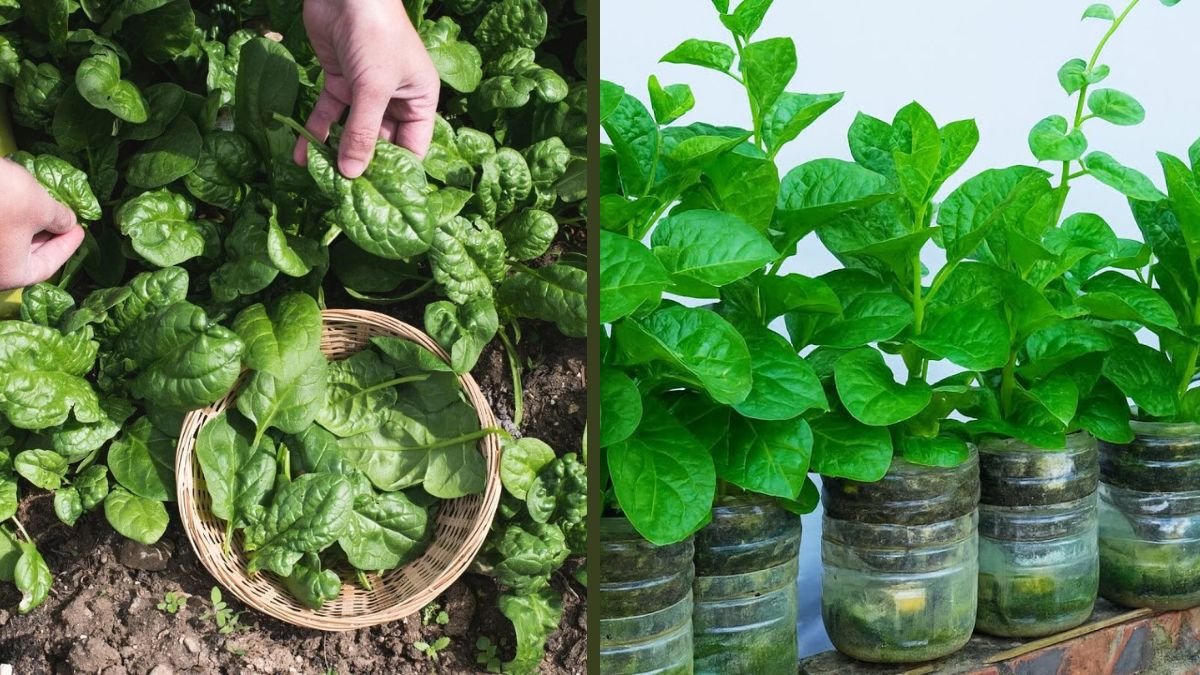
Introduction: Growing Spinach Vertically at Home
Spinach is one of the healthiest leafy vegetables and grows quickly with minimal effort. Many people believe leafy greens need large garden beds. A three-tier garden proves that even small spaces can produce abundant harvests. Vertical gardening saves space and increases productivity. With proper planning, spinach thrives in stacked containers. This method is perfect for homes, balconies, and terraces. It is beginner-friendly and cost-effective. Fresh spinach can be harvested multiple times. This article explains how a 3-tier garden delivers continuous leafy greens.
Why Choose a 3-Tier Garden System
A three-tier garden maximizes vertical space efficiently. It allows multiple layers of planting in the same footprint. Spinach benefits from shallow root depth, making it ideal for tiered systems. Each level receives adequate light with proper placement. This system reduces bending and makes harvesting easy. Watering becomes more controlled. It also improves air circulation. A tiered system is visually attractive and practical.
Understanding Spinach Growth Habits
Spinach is a fast-growing leafy vegetable. It prefers cool to moderate temperatures. The plant develops broad leaves quickly. Roots remain shallow, making container growing easy. Spinach grows best with consistent moisture. Regular harvesting encourages new leaf growth. Understanding growth habits ensures better planning. Healthy plants regrow after each cut. Knowledge leads to higher yields.
Selecting the Right Spinach Variety
Choose fast-growing or baby spinach varieties. Heat-tolerant types perform better in containers. Local varieties adapt well to climate conditions. Disease-resistant seeds reduce problems. Seed quality affects leaf size and color. Compact varieties suit tiered gardens best. Selecting the right variety ensures success. Good seeds guarantee uniform growth.
Choosing Containers for a 3-Tier Setup
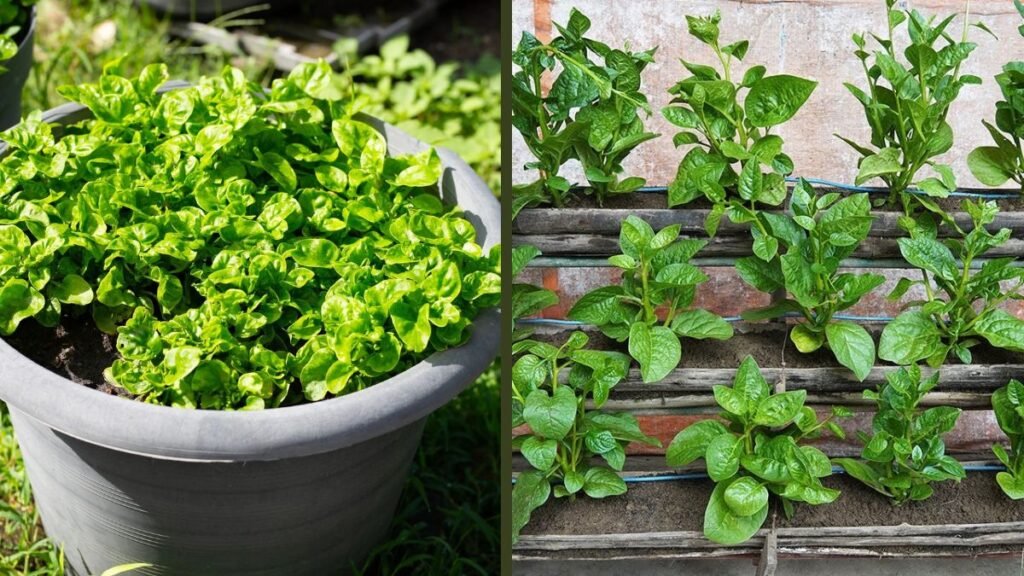
Use shallow but wide containers. Each tier should have drainage holes. Lightweight plastic or metal racks work well. Containers must support soil weight safely. Uniform container size ensures balanced watering. Stability is important for safety. Proper containers improve growth and ease maintenance. Strong setup ensures long-term use.
Preparing the Ideal Soil Mix
Spinach prefers loose, fertile soil. Mix garden soil, compost, and cocopeat. Soil should retain moisture without becoming soggy. Organic matter boosts leaf growth. Avoid heavy clay soil. Good drainage prevents root issues. Healthy soil ensures dark green leaves. Proper preparation is essential.
Seed Sowing Technique
Sow seeds directly into containers. Spread seeds evenly. Cover lightly with soil. Water gently after sowing. Germination occurs within a week. Avoid overcrowding seedlings. Thin plants if necessary. Proper sowing improves airflow and growth.
Sunlight Placement for Tiered Gardens
Spinach prefers partial to full sunlight. Place the tiered garden where it receives morning sun. Avoid harsh afternoon heat. Rotate the structure if needed. Balanced light prevents bolting. Even light distribution supports uniform growth. Placement affects yield significantly. Proper light ensures healthy leaves.
Watering Spinach in a Vertical Setup
Spinach needs consistent moisture. Water gently to avoid soil erosion. Top tiers may dry faster. Check moisture daily. Morning watering is ideal. Avoid waterlogging lower tiers. Balanced watering keeps leaves tender. Proper hydration prevents bitterness.
Fertilizing for Leafy Growth
Spinach benefits from nitrogen-rich organic fertilizers. Use compost tea every two weeks. Vermicompost improves leaf size. Avoid chemical fertilizers. Balanced feeding promotes lush foliage. Overfeeding causes weak growth. Organic nutrition improves soil health. Healthy feeding ensures repeated harvests.
Managing Pests Naturally
Spinach attracts aphids and leaf miners. Neem spray controls pests effectively. Hand removal works well for small infestations. Healthy plants resist pests naturally. Avoid chemical sprays on leafy greens. Regular inspection prevents damage. Organic pest control keeps harvest safe.
Disease Prevention in Tiered Gardens
Good airflow prevents fungal diseases. Avoid overcrowding. Remove yellow or damaged leaves promptly. Clean containers regularly. Avoid overhead watering late in the day. Healthy practices reduce disease risk. Prevention saves effort. Clean gardening ensures success.
Harvesting Spinach Correctly
Harvest outer leaves first. Use scissors or pinch gently. Avoid uprooting the plant. Regular harvesting promotes new growth. Morning harvest keeps leaves fresh. Proper harvesting extends plant life. Gentle handling prevents damage. Correct timing improves taste.
Regrowth and Multiple Harvests
Spinach regrows quickly after cutting. Maintain watering and feeding. Avoid stress during regrowth. Harvest every two weeks. Continuous care ensures fresh supply. Healthy plants provide multiple harvests. Regrowth is one of spinach’s best features. Patience brings rewards.
Seasonal Considerations
Spinach grows best in cooler months. Protect plants from extreme heat. Shade cloth helps during warmer days. Seasonal planning improves yield. Cool weather produces sweeter leaves. Adjust care based on season. Flexibility ensures success. Weather awareness is important.
Comparison Table: Flat Bed vs 3-Tier Spinach
| Aspect | Flat Bed Growing | 3-Tier Garden |
|---|---|---|
| Space used | Large area | Very small |
| Yield per area | Moderate | High |
| Maintenance | Moderate | Easy |
| Water efficiency | Average | High |
| Accessibility | Bending needed | Easy reach |
Benefits of a 3-Tier Spinach Garden
Saves space and time. Ideal for urban homes. Continuous fresh greens. Easy for beginners. Reduces grocery expenses. Encourages healthy eating. Visually attractive setup. Sustainable gardening method.
Sustainability and Long-Term Value
Tiered gardening uses less water. Containers are reusable. Soil improves with organic care. Reduces food miles. Encourages eco-friendly habits. Long-term savings increase. Gardening becomes a routine. Sustainability benefits families.
Conclusion
A 3-tier garden full of spinach proves that small spaces can be highly productive. With proper soil, light, and care, spinach grows abundantly. This method is perfect for beginners and urban gardeners. Fresh leafy greens are always within reach. Consistency and care ensure success.