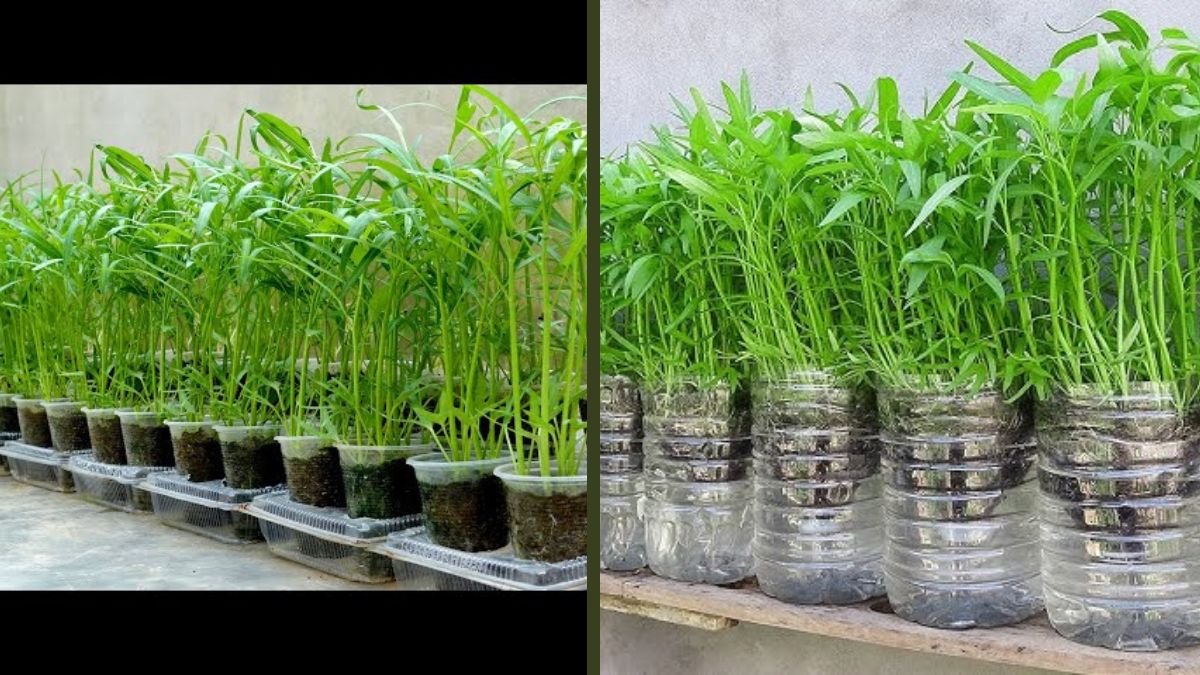
Introduction: Backyard Jungle of Water Spinach
Water spinach, also known as kangkong or swamp cabbage, is a fast-growing, nutrient-rich leafy vegetable. Many gardeners struggle to grow it effectively due to improper water or sunlight management. With the right techniques, you can turn a small backyard space into a lush, green jungle of water spinach. This guide explores soil preparation, propagation, pest control, harvesting, and culinary uses. By following these steps, you can enjoy fresh, homegrown water spinach every day.
Health Benefits of Water Spinach
Water spinach is loaded with nutrients like vitamin A, vitamin C, iron, calcium, and fiber. It promotes healthy digestion, improves eyesight, and boosts immunity. Regular consumption helps detoxify the body and maintains skin health. It is also low in calories, making it ideal for weight management. Its antioxidant properties reduce oxidative stress and inflammation. Growing it at home ensures you get fresh, chemical-free produce for your family.
Choosing the Right Variety
Different water spinach varieties grow in different climates. “Green Stem” varieties are tender and flavorful, while “Red Stem” varieties offer higher antioxidants. Select varieties suited to your local conditions for better growth. Check for disease resistance, growth speed, and taste preferences. Purchase from trusted nurseries or online suppliers. Using high-quality cuttings or seeds ensures a lush backyard jungle.
Preparing the Soil
Water spinach thrives in fertile, moist soil. Loosen the soil to improve aeration and drainage. Mix organic compost or well-rotted manure to enrich nutrients. Ensure a slightly acidic to neutral pH (6.0–7.0). Avoid compacted soil, as it reduces root growth. Raised beds or shallow water containers work well in small spaces. Proper soil preparation leads to robust, fast-growing plants.
Propagation Methods
Water spinach can be propagated from seeds or cuttings. For cuttings, use healthy stems 6–8 inches long, remove lower leaves, and place in water. Seeds can be sown directly in moist soil or trays. Roots develop within a week for cuttings, while seeds take 10–14 days to sprout. Keep soil consistently moist during early growth. Propagation from cuttings ensures quicker harvests and more reliable plants.
Optimal Watering Techniques

As a semi-aquatic plant, water spinach loves water. Keep the soil consistently moist or partially submerged. Avoid stagnant water as it can promote root rot. Drip irrigation or shallow water trays help maintain proper moisture. Water in the morning to reduce fungal growth. Correct watering promotes rapid leaf development and prevents wilting.
Sunlight Requirements
Water spinach grows best in full sun but tolerates partial shade. Ideally, provide 4–6 hours of sunlight daily. Shade-tolerant varieties may thrive in less light but produce thinner stems. Position plants to receive maximum sunlight without water evaporation. Sunlight enhances flavor, color, and nutrient content. Rotate containers if growing in small spaces to ensure uniform growth.
Fertilization Tips
Use organic fertilizers like compost, fish emulsion, or liquid seaweed extracts. Apply every 2–3 weeks for steady growth. Avoid excessive nitrogen fertilizers, as they may cause weak stems. Balanced nutrition promotes leafy growth and vibrant color. Fertilization during early stages improves yields. Mulch around plants to retain moisture and suppress weeds.
Controlling Pests Naturally
Common pests include aphids, caterpillars, and leaf miners. Use neem oil or soapy water sprays for organic pest control. Encourage beneficial insects like ladybugs and dragonflies. Regularly inspect leaves and remove damaged parts. Avoid chemical pesticides, as they affect taste and safety. Proper care prevents infestations and supports sustainable gardening.
Harvesting Techniques
Water spinach can be harvested 4–6 weeks after planting. Cut 3–4 inches above the soil or water level for continuous growth. Regular harvesting encourages bushier plants and higher yields. Avoid cutting more than one-third of the plant at once. Rinse harvested leaves thoroughly before cooking. Frequent harvesting ensures fresh greens and extends the growing season.
Succession Planting for Year-Round Harvest
Plant new cuttings or seeds every 2–3 weeks for a continuous supply. Succession planting prevents gaps in harvest and maximizes space. Use staggered trays or containers for small backyard gardens. Monitor soil moisture and nutrient levels. Continuous planting turns your backyard into a dense, productive water spinach jungle.
Companion Planting
Plant water spinach near herbs like basil or mint to deter pests naturally. It can also be intercropped with leafy greens to maximize space. Companion planting improves biodiversity and reduces disease incidence. Use vertical supports to save space and enhance sunlight exposure. Healthy companion plants support robust growth for water spinach.
Using Containers and Raised Beds
Water spinach grows well in pots, tubs, or raised beds. Choose containers with 8–12 inch depth for root expansion. Ensure good drainage to prevent stagnation. Raised beds allow better soil control and accessibility. Container gardening works well in urban spaces or small backyards. Proper container setup ensures optimal growth and yield.
Pruning and Maintenance
Trim older leaves regularly to encourage new growth. Remove yellow or damaged leaves promptly. Pruning improves airflow and sunlight penetration. Avoid over-pruning, as it may stress plants. Maintenance includes checking water levels, fertilizing, and monitoring for pests. Regular care promotes lush, healthy plants for a thriving backyard jungle.
Culinary Uses
Water spinach can be stir-fried, steamed, boiled, or added to soups. Pair it with garlic, chili, or oyster sauce for delicious dishes. It retains nutrients even after cooking lightly. Freshly harvested leaves taste sweeter and crunchier than store-bought greens. Experiment with salads, smoothies, and vegetable wraps. Culinary versatility makes it a must-have in home gardens.
Benefits of Growing at Home
Homegrown water spinach is fresher, safer, and more nutritious than store-bought varieties. It reduces dependence on market produce, saves money, and promotes sustainable living. Growing at home allows control over water, nutrients, and pesticides. A backyard jungle enhances greenery, improves air quality, and encourages healthy eating habits.
Comparison Table: Backyard vs Commercial Water Spinach
| Feature | Backyard Growth | Commercial Market |
|---|---|---|
| Freshness | Very High | Moderate |
| Pesticide Use | Controlled/None | Often Higher |
| Growth Rate | Fast | Moderate |
| Flavor | Sweet, Tender | Slightly Bitter |
| Sustainability | High | Low |
| Accessibility | Anytime from your backyard | Depends on market availability |
Conclusion
Growing water spinach at home transforms your backyard into a lush, productive jungle. With proper soil, water, sunlight, and care, anyone can enjoy fresh, nutrient-rich greens year-round. The techniques outlined here make cultivation easy, sustainable, and rewarding. From propagation to harvest, following these steps ensures a constant supply of healthy water spinach. Start today and turn your backyard into a thriving jungle of green goodness.