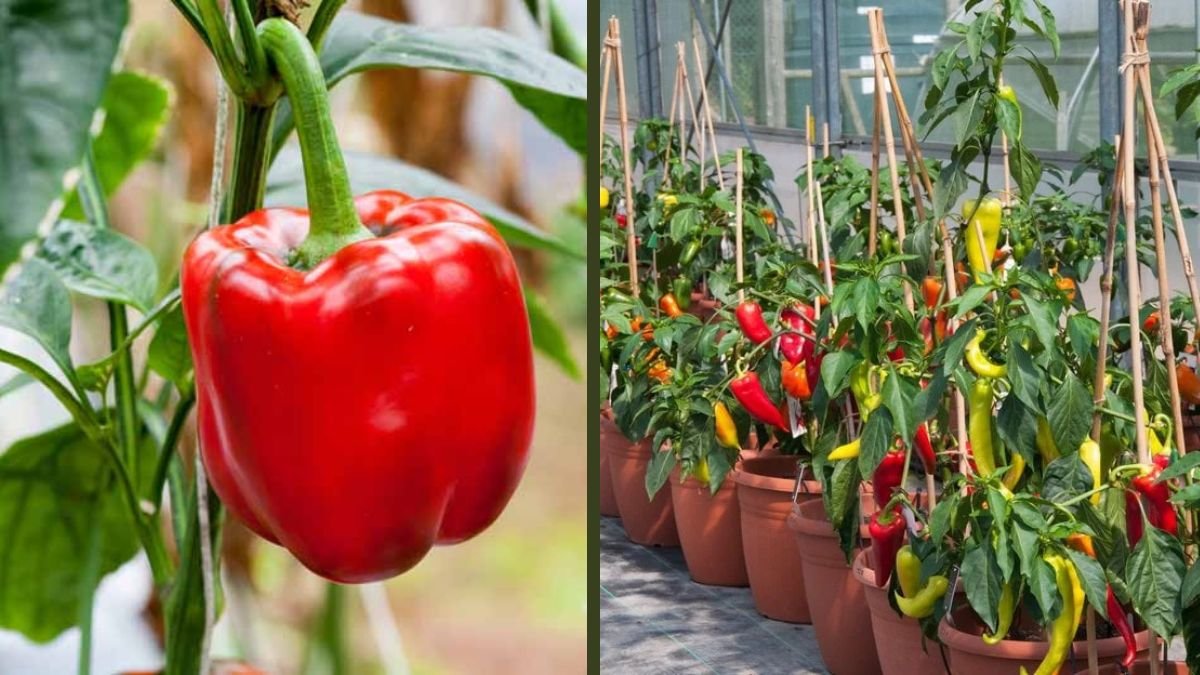
Introduction to Home Bell Pepper Gardening
Bell peppers are nutritious, colorful, and highly versatile in cooking. Many beginners hesitate to grow them at home due to misconceptions about difficulty. In reality, bell peppers are easy to cultivate if basic care is followed. With proper soil, water, and sunlight, even small gardens can yield healthy plants. This guide explains the entire process for beginners. Step-by-step instructions ensure confidence. From seed selection to harvesting, all stages are covered. Homegrown peppers are more flavorful and chemical-free. Anyone can enjoy a continuous supply with minimal effort. The goal is to simplify the process and encourage new gardeners.
Understanding Bell Pepper Growth Requirements
Bell peppers grow best in warm temperatures and sunlight. They need rich, well-drained soil. Shallow-rooted seedlings are sensitive to moisture stress. Flowers must be pollinated for fruit development. Growth is gradual but consistent. Understanding these requirements helps beginners act correctly. Bell peppers respond well to care and thrive in home gardens. Knowing growth stages avoids common mistakes. Plants grow faster with proper nutrition and spacing.
Selecting the Right Variety for Beginners
Choosing the correct variety is crucial. Sweet bell peppers are ideal for home gardens. Compact varieties fit small spaces. Disease-resistant seeds reduce loss. Early-maturing varieties provide faster harvest. Healthy seeds increase germination success. Variety selection determines yield quality. Local varieties adapt well to the climate. Beginners should choose easy-to-grow types for confidence.
Preparing the Soil Perfectly
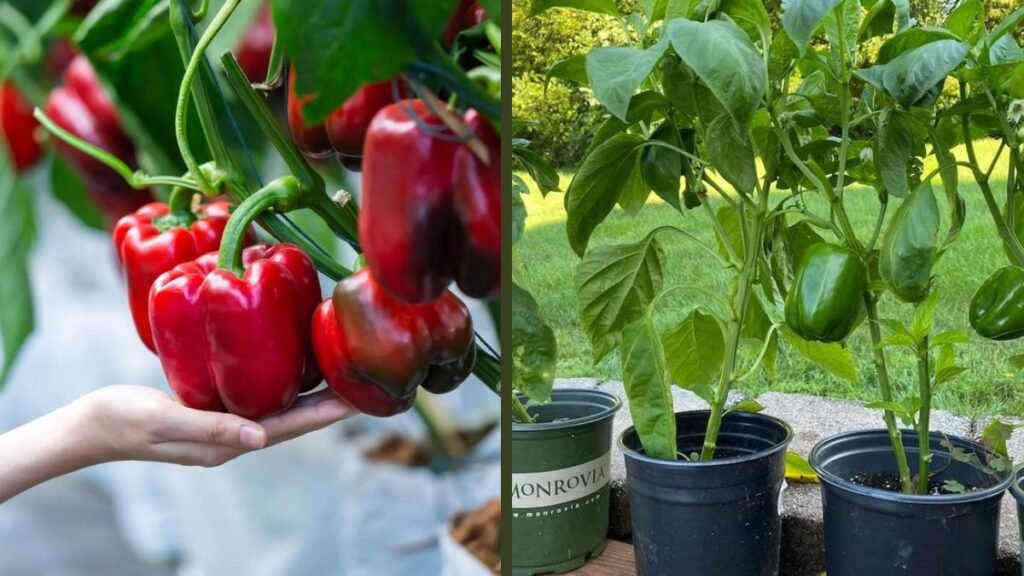
Bell peppers require fertile, loose soil. Mix garden soil with compost for better structure. Cocopeat helps retain moisture. Avoid heavy clay soil that hinders root growth. Balanced soil provides steady nutrients. Organic amendments support healthy plants. Proper soil preparation increases survival rate. Fertile soil ensures strong stems and abundant fruit.
Starting Seeds Indoors
Begin seeds in small trays or pots. Use seed-starting mix or loose soil. Keep soil moist but not soggy. Provide warmth and sunlight for germination. Transplant seedlings when 4–6 inches tall. Healthy seedlings adapt well to garden conditions. Indoor start improves success. Controlled environment reduces early-stage stress.
Transplanting Seedlings Successfully
Transplant seedlings carefully to prepared beds or pots. Avoid root damage. Space plants adequately to ensure airflow. Water gently after transplanting. Mulch around seedlings to retain moisture. Monitor for stress during first few days. Proper transplanting improves survival. Plants establish faster and grow strong.
Watering Techniques for Healthy Growth
Consistent moisture is key. Avoid overwatering that causes root rot. Water deeply but less frequently. Mulch reduces evaporation. Morning watering works best. Avoid wetting leaves unnecessarily. Balanced moisture supports flowering and fruiting. Proper watering reduces common problems.
Fertilizing Bell Peppers Organically
Use compost or vermicompost regularly. Liquid compost tea helps nutrients absorb faster. Avoid excessive nitrogen that causes leaf growth without fruit. Balanced feeding supports flowers and fruits. Fertilization ensures steady growth. Organic nutrition improves taste. Regular feeding prevents nutrient deficiencies.
Supporting Plants as They Grow
Tall or heavy-bearing plants may need stakes. Bamboo sticks or cages work well. Support prevents stem bending and fruit damage. Plants grow upright and healthy. Strong stems improve air circulation. Support improves yield and fruit quality. Easy staking ensures long-term productivity.
Flowering and Pollination Management
Bell peppers have separate flowers. Bees and wind assist natural pollination. Hand pollination helps in low insect areas. Healthy flowers produce more fruits. Avoid disturbing plants during flowering. Proper pollination ensures maximum fruit set. This stage is crucial for yield.
Controlling Pests Naturally
Bell peppers attract aphids, caterpillars, and whiteflies. Neem oil spray is effective. Handpicking prevents damage. Healthy, well-fed plants resist pests better. Organic methods protect soil life. Avoid chemicals for home gardens. Regular monitoring minimizes pest loss.
Disease Prevention Techniques
Diseases like blight can reduce yield. Proper spacing prevents overcrowding. Avoid wetting leaves. Crop rotation reduces soil-borne diseases. Early removal of infected leaves is essential. Healthy soil minimizes fungal growth. Prevention is easier than treatment. Clean practices ensure high yield.
Monitoring Fruit Development
Fruits develop after flowers set. Avoid nutrient stress during this stage. Consistent moisture is essential. Remove damaged flowers to encourage growth. Observe regularly for pests and disease. Healthy fruits develop bright colors. Balanced care ensures good size and flavor. Patience is key.
Harvesting Bell Peppers at the Right Time
Harvest fruits when fully colored and firm. Use scissors or sharp knife. Avoid pulling fruits. Regular harvesting encourages more flowers. Morning harvest preserves freshness. Proper timing improves shelf life. Correct harvest techniques maintain plant health. Frequent harvest boosts productivity.
Post-Harvest Handling and Storage
Wash gently and dry before storage. Store in a cool, ventilated place. Avoid stacking too tightly. Proper handling prevents bruises. Fresh peppers last longer when stored carefully. Homegrown peppers maintain flavor and nutrition. Safe handling improves overall yield quality. Storage knowledge benefits future cooking.
Comparison Table: Beginner vs Traditional Bell Pepper Gardening
| Aspect | Beginner-Friendly Method | Traditional Method |
|---|---|---|
| Soil | Loose and enriched | Basic garden soil |
| Pest Control | Organic | Chemical-based |
| Support | Simple stakes or cages | Often neglected |
| Yield | Moderate to high | Variable |
| Ease of Care | High | Moderate |
Economic and Nutritional Benefits
Home-grown bell peppers reduce grocery costs. Fresh vegetables improve family nutrition. Organic cultivation ensures safety. High yield provides surplus for neighbors. Easy method suits mothers with small gardens. Nutritious and colorful crops increase family satisfaction. Gardening becomes rewarding. Simple care brings long-term benefits.
Sustainability and Long-Term Gardening
Using compost and organic techniques improves soil naturally. Recycled materials for support reduce costs. Minimal water use conserves resources. Sustainable practices protect the environment. Continuous growth cycle supports home food security. Healthy soil ensures future productivity. Small-scale gardening builds eco-conscious habits.
Common Mistakes to Avoid
Overcrowding seedlings. Overwatering or under-watering. Excess nitrogen application. Ignoring pest monitoring. Neglecting support. These mistakes reduce yield. Avoiding them ensures success. Beginners learn faster by following guidance carefully.
Conclusion
Even beginners can grow bell peppers successfully with proper care, soil, and watering. Step-by-step methods ensure high-quality, colorful, and nutritious fruits. Home-grown peppers boost confidence and create a continuous supply for the family. Simple techniques bring big results.