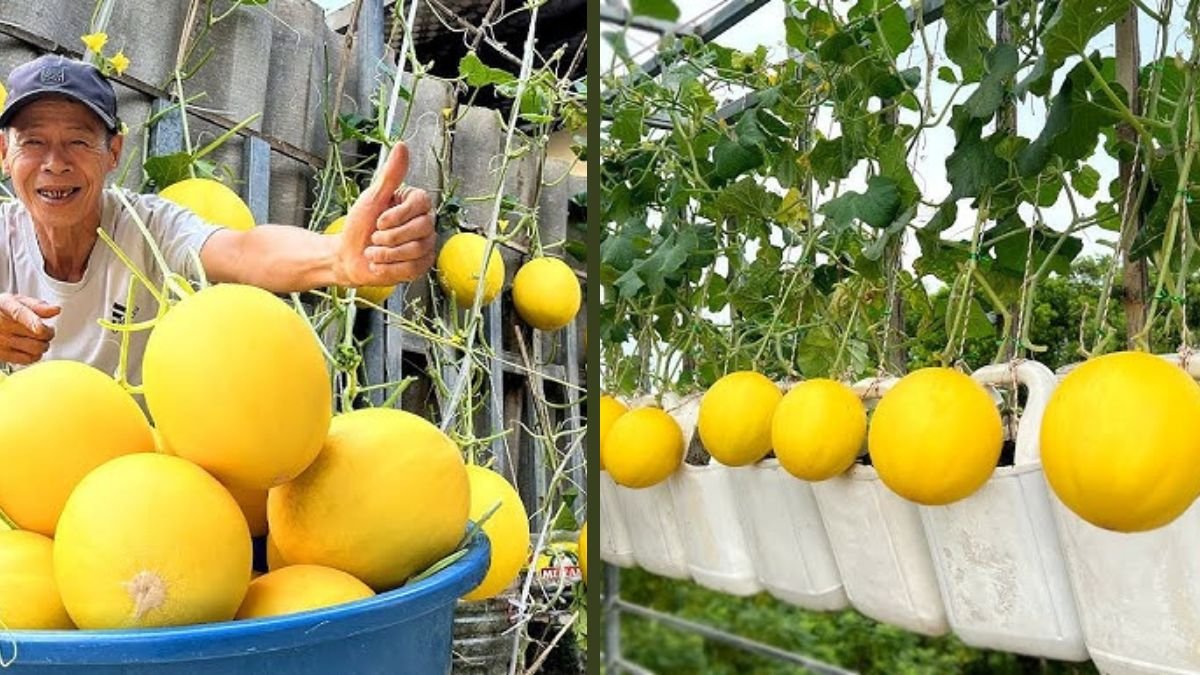
Introduction to Growing Sweet Melon at Home
Sweet melon is one of the most refreshing fruits, loved for its fragrance, sweetness, and juicy texture. Many gardeners assume melons are difficult to grow, but with the right method, growing sweet melon at home is surprisingly easy. Homegrown melons taste far superior to store-bought ones because they ripen naturally on the vine. When grown properly, the aroma fills the garden and signals perfect ripeness. Melon plants are vigorous and rewarding. Even beginners can succeed with basic care. This guide explains how to grow sweet, fragrant melons step by step. The effort is truly worth the harvest.
Why Homegrown Sweet Melons Taste Better
Commercial melons are often harvested early to survive transportation. This reduces sweetness and fragrance. Homegrown melons ripen fully on the vine, developing natural sugars. Soil quality and sunlight can be controlled at home. No chemicals interfere with flavor. Proper watering enhances sweetness. Stress management improves aroma. Home gardeners enjoy peak-ripened fruits. Taste difference is immediately noticeable.
Choosing the Right Sweet Melon Variety
Selecting the correct variety is essential for success. Muskmelon, cantaloupe, honeydew, and local sweet melon varieties perform well in home gardens. Choose varieties suited to your climate. Short-season varieties are ideal for containers. Disease-resistant varieties reduce problems. Seed quality affects germination and yield. Local varieties adapt better to weather. Proper selection ensures fragrant fruits.
Seed Preparation for Strong Germination
Soaking melon seeds in water improves germination. Some gardeners use warm water or organic solutions. Seeds should be planted in light soil. Avoid deep planting. Maintain warmth during germination. Consistent moisture is important. Healthy seedlings develop faster. Strong early growth supports heavy fruiting later.
Soil Preparation for Sweet and Juicy Melons
Melons need loose, fertile, and well-draining soil. A mix of garden soil, compost, and sand works well. Compost adds nutrients and improves texture. Avoid compact soil. Good drainage prevents root rot. Healthy soil supports strong vines. Soil preparation directly impacts sweetness. This step is critical for success.
Container vs Ground Growing for Melons
Melons can be grown in containers or ground. Ground planting allows vines to spread freely. Containers work well for small spaces. Large grow bags are recommended for containers. Ensure good drainage. Container vines may need extra feeding. Both methods can produce sweet fruits. Choose based on available space.
Sunlight Requirements for Fragrant Melons
Melons require full sunlight for sugar development. Place plants where they receive long hours of sunlight. Insufficient light results in bland fruits. Sunlight strengthens vines and flowers. Proper exposure increases fragrance. Avoid shaded areas. Light directly affects sweetness. This factor cannot be compromised.
Watering Schedule That Improves Sweetness
Melons need consistent watering during growth. Deep watering strengthens roots. Reduce watering as fruits mature. Excess water near harvest reduces sweetness. Morning watering is best. Avoid wetting leaves excessively. Balanced watering enhances flavor. Proper timing makes a big difference.
Training and Spacing Melon Vines
Melon vines spread quickly and need space. Proper spacing prevents overcrowding. Vertical growing is possible with strong support. Training vines improves airflow. Supported fruits stay clean. Spacing reduces disease risk. Organized vines produce better fruits. Management improves yield.
Flowering and Pollination Techniques
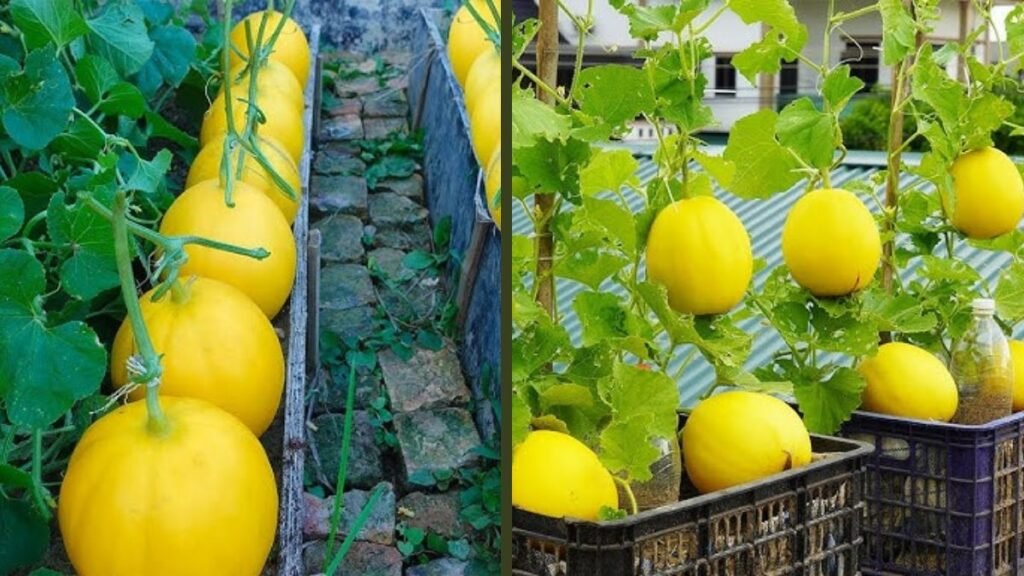
Melon plants produce male and female flowers. Pollination is essential for fruit set. Bees play an important role. Hand pollination helps in balconies. Avoid spraying chemicals during flowering. Healthy flowers set fruits easily. Proper pollination ensures uniform fruits. Observation helps identify issues early.
Feeding Schedule for Sweet Melon Plants
Melons are heavy feeders. Use compost and organic fertilizers. Avoid excessive nitrogen after flowering. Potassium improves sweetness. Feeding every two weeks is ideal. Natural fertilizers improve soil health. Balanced nutrition supports fruit growth. Feeding impacts final taste.
Fruit Development and Thinning
Too many fruits reduce sweetness. Thinning allows plants to focus energy. Retain healthy fruits only. Remove weak fruits early. This improves size and sugar content. Proper fruit load management is important. Quality is better than quantity. Thinning ensures premium melons.
Sweet Melon Growth Stages Overview (Table)
| Growth Stage | Duration | Key Care |
|---|---|---|
| Germination | One week | Warmth |
| Vine Growth | Three weeks | Feeding |
| Flowering | Two weeks | Pollination |
| Fruiting | One month | Reduced watering |
Pest and Disease Management
Melons may attract aphids and beetles. Regular inspection helps early control. Neem oil is effective. Good airflow prevents disease. Avoid waterlogging. Healthy plants resist pests naturally. Prevention is easier than cure. Organic care preserves fruit quality.
How to Know When Melons Are Ripe
Ripe melons produce strong fragrance. Skin color changes slightly. Fruits detach easily from vines. Sound becomes hollow when tapped. Sugar content peaks at ripeness. Harvest timing affects flavor. Observe signs carefully. Proper timing ensures sweetness.
Harvesting Sweet Melons Correctly
Harvest melons gently to avoid damage. Use clean tools. Morning harvest is best. Handle fruits carefully. Avoid dropping melons. Proper harvesting preserves quality. Gentle handling extends shelf life. Enjoy fresh harvests.
Storing and Using Homegrown Melons
Fresh melons taste best when eaten soon. Refrigerate after cutting. Use in desserts and salads. Homegrown melons are aromatic. Share with family and friends. Proper storage maintains freshness. Enjoy natural sweetness fully.
Common Mistakes to Avoid
Overwatering reduces sweetness. Poor sunlight affects aroma. Crowding plants reduces airflow. Ignoring pollination limits fruits. Avoid these mistakes. Simple corrections improve results. Learning ensures success. Experience builds confidence.
Why Growing Sweet Melons Is Worth the Effort
The flavor is unmatched. Gardening becomes rewarding. Fruits are chemical-free. Cost savings are significant. Aroma fills the garden. Satisfaction is immense. Growing melons is fulfilling. Effort truly pays off.
Final Conclusion
Growing sweet melon at home is easier than most people think. With proper care, fragrant and juicy fruits are guaranteed. The process is enjoyable and rewarding. Even beginners can succeed. Homegrown melons elevate gardening joy. Try this method and taste the difference. Sweet harvests await you.