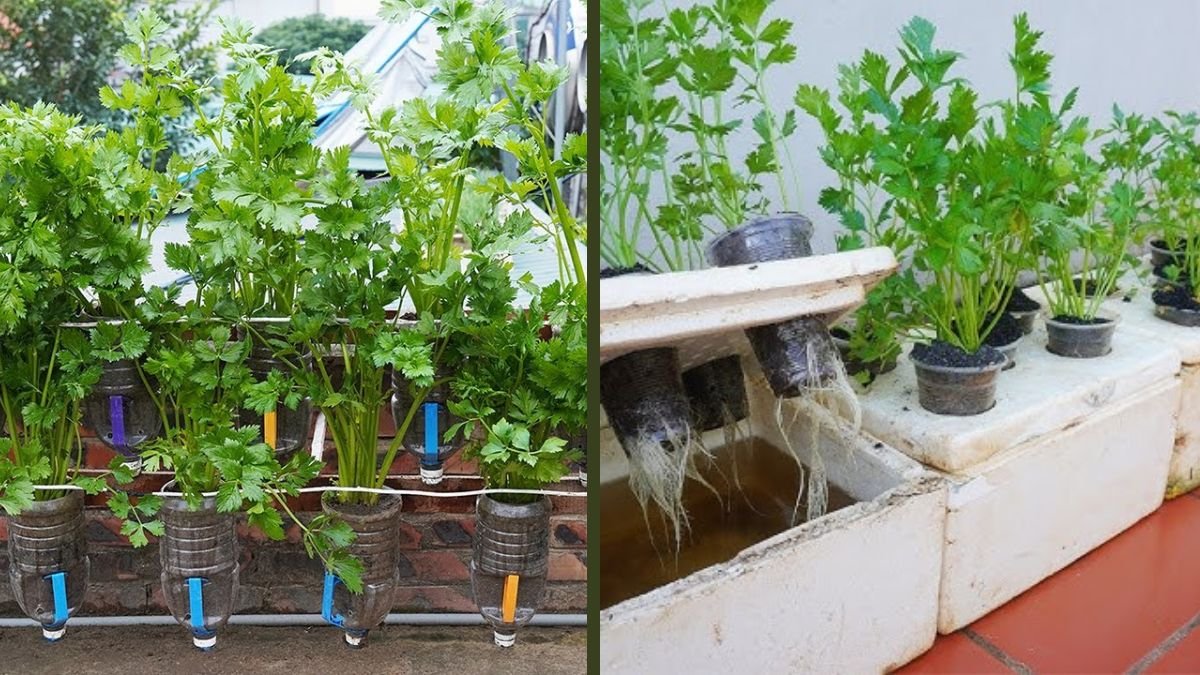
Introduction to Smart Celery Growing
Celery is a nutritious leafy vegetable that many gardeners hesitate to grow due to slow growth myths. In reality, celery can be grown easily using simple methods once you understand its needs. Many gardeners discover too late that celery regrows beautifully from kitchen scraps. This method saves money and time. It is perfect for home gardens, balconies, and village backyards. Growing celery this way ensures fresh harvests year-round. Once learned, this method feels life-changing. It truly makes you wish you had known it sooner.
Why Celery Is Often Considered Difficult
Celery has a reputation for being slow and demanding. Many people fail due to improper watering and soil preparation. Lack of moisture causes bitterness. Poor soil leads to thin stalks. These problems discourage beginners. However, when celery is grown using the right technique, it becomes surprisingly easy. Understanding its natural growth habit changes everything. The problem is not celery, but the method.
Health and Kitchen Value of Celery
Celery is rich in fiber and antioxidants. It supports digestion and heart health. Celery is low in calories and high in hydration. It is widely used in soups, curries, juices, and salads. Homegrown celery tastes fresher and milder. Fresh leaves and stalks are both edible. Having celery growing at home improves daily cooking. It is a valuable kitchen vegetable.
Best Climate and Season for Celery
Celery prefers mild temperatures. It grows best in cool to moderate weather. Excessive heat causes stress. In tropical regions, partial shade works well. Celery can be grown almost year-round with care. Morning sunlight and afternoon shade are ideal. Stable temperature improves stalk thickness. Climate understanding ensures success.
The Secret Method: Growing Celery from Kitchen Scraps
The easiest method is regrowing celery from its base. Instead of throwing away the root end, reuse it. This method requires minimal effort. It is cost-free and beginner-friendly. The base quickly sprouts new leaves. This method works faster than seeds. It is ideal for first-time gardeners. This simple trick changes celery growing forever.
Preparing Celery Base for Regrowth
Cut celery leaving two inches of the base. Rinse thoroughly to remove dirt. Place the base in shallow water. Keep the cut side upward. Change water daily. Within days, new leaves appear. This signals readiness for planting. Healthy preparation ensures strong regrowth.
Choosing Soil and Containers
Loose, fertile soil is essential. Use garden soil mixed with compost. Avoid heavy clay soil. Containers must have drainage holes. Grow bags and pots work well. Soil should retain moisture without waterlogging. Healthy soil supports thick stalks. Good preparation leads to success.
Transplanting Celery into Soil
Once roots appear, transplant carefully. Plant at shallow depth. Keep crown above soil surface. Press soil gently around roots. Water immediately after planting. Avoid disturbing young shoots. Transplanting at the right time boosts growth. Gentle handling is key.
Watering Technique That Changes Everything
Celery loves consistent moisture. Dry soil causes bitterness. Water lightly but frequently. Mulching helps retain moisture. Never allow soil to dry completely. Balanced watering results in juicy stalks. This is the most important factor. Correct watering makes celery easy.
Fertilizing Celery Naturally
Celery responds well to organic feeding. Compost tea works best. Cow dung slurry boosts growth. Apply every two weeks. Avoid excess nitrogen. Balanced nutrition improves flavor. Organic fertilizers keep soil healthy. Natural feeding is sufficient.
Sunlight Management for Best Growth
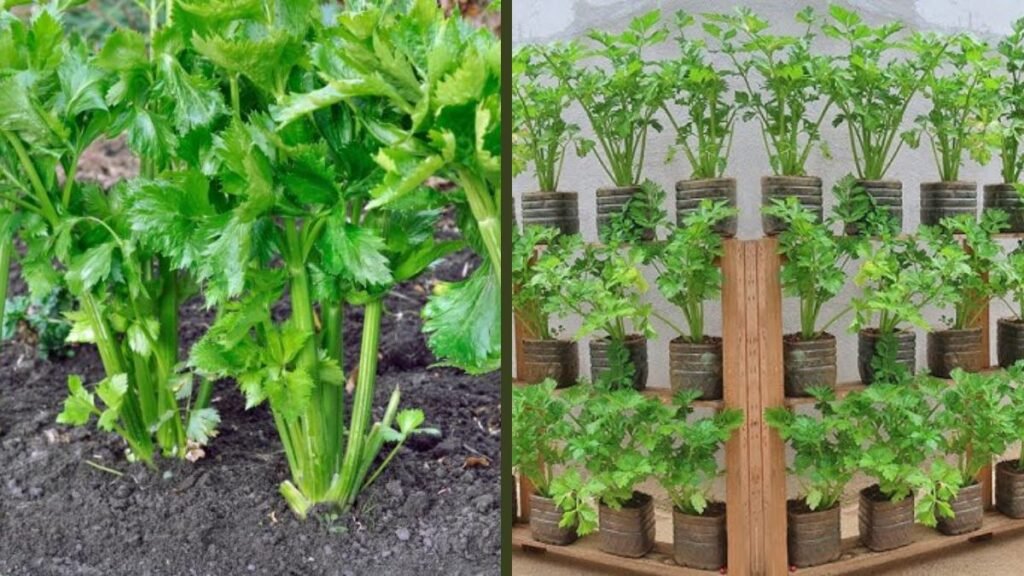
Celery prefers partial sunlight. Four to six hours is ideal. Too much sun stresses the plant. Shade nets help in hot climates. Proper light ensures steady growth. Balanced exposure prevents bolting. Sun control improves yield.
Common Problems and Simple Solutions
Yellow leaves indicate nutrient deficiency. Bitter taste means lack of water. Slow growth suggests poor soil. Pest attacks are rare. Neem spray works well. Early correction prevents crop failure. Celery communicates its needs clearly.
Harvesting Celery the Right Way
Harvest outer stalks first. Cut near the base. Inner stalks continue growing. This allows continuous harvest. Harvest regularly for tenderness. Avoid uprooting entire plant. Proper harvesting extends production. One plant yields for months.
Continuous Regrowth and Maintenance
Celery keeps regrowing if cared for. Remove old leaves regularly. Maintain moisture and feeding. Trim flowers if they appear. Continuous care ensures long harvest. One plant can last a season. Maintenance is minimal.
Comparison Table: Seed vs Scrap-Grown Celery
| Aspect | Seed Grown Celery | Scrap Grown Celery |
|---|---|---|
| Cost | Higher | Almost Free |
| Time to Harvest | Long | Short |
| Difficulty | Moderate | Very Easy |
| Success Rate | Medium | High |
| Beginner Friendly | Less | Very Much |
Space-Saving Benefits
Celery grows well in small containers. Ideal for balconies and terraces. Vertical shelving works well. Small space yields fresh greens. Perfect for urban gardeners. No large garden needed. Space efficiency is excellent.
Sustainability Benefits
Reduces kitchen waste. Promotes reuse. Saves money on seeds. Encourages organic food habits. Reduces dependency on market vegetables. Supports sustainable living. Eco-friendly gardening method.
Cooking with Homegrown Celery
Fresh celery enhances flavor. Leaves are aromatic. Homegrown stalks are tender. Cooking becomes healthier. Soups and stir-fries taste better. Fresh harvest makes a difference.
Final Thoughts
This simple celery-growing method transforms gardening experience. Easy, affordable, and productive, it proves that smart techniques matter more than effort. Once you try it, you truly wish you had known it sooner.