Paragraph 1: Introduction to Giant Abalone Mushrooms
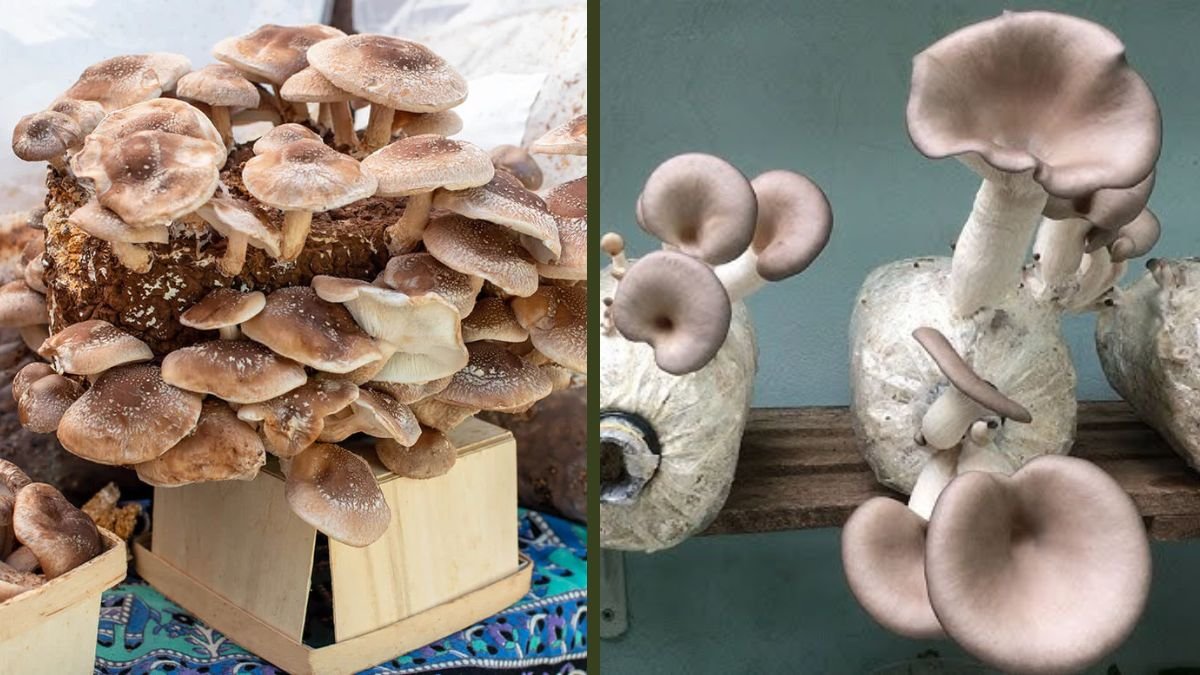
Giant abalone mushrooms are a gourmet delicacy loved for their flavor and texture. Growing them at home is easier than most people think. Home cultivation allows fresh, chemical-free mushrooms. These mushrooms adapt to small spaces. With the right substrate and environment, anyone can grow them. They have a high nutritional value. Abalone mushrooms are also profitable for small-scale growers. This article explains every step in detail.
Paragraph 2: Understanding Giant Abalone Mushrooms
Giant abalone mushrooms belong to the Pleurotus family. They have large, fan-shaped caps. They grow in clusters on organic substrates. They thrive in cool, humid conditions. The mushrooms grow quickly after pinning. Fresh mushrooms are tender and meaty. They are versatile in cooking. Understanding growth helps in successful cultivation.
Paragraph 3: Required Materials for Home Cultivation
You need spores or spawn to start. Substrates include straw, sawdust, or coffee grounds. Clean containers or plastic bags are necessary. Spray bottles maintain humidity. Thermometers help monitor conditions. Gloves and masks ensure hygiene. Sterilization tools prevent contamination. Having all materials ready ensures smooth growth.
Paragraph 4: Preparing the Substrate
Cut straw or sawdust into small pieces. Soak in water for several hours. Drain excess water. Pasteurize by heating or steaming. Let substrate cool completely. Mix spawn evenly with the substrate. Avoid overcrowding the spawn. Proper substrate preparation ensures strong growth.
Paragraph 5: Inoculating with Mushroom Spawn
Wear gloves and mask. Mix spawn thoroughly into cooled substrate. Place substrate in sterilized containers or bags. Do not compress tightly. Make small air holes for ventilation. Keep the environment clean. Avoid touching with bare hands. Inoculation is critical for success.
Paragraph 6: Creating the Ideal Environment
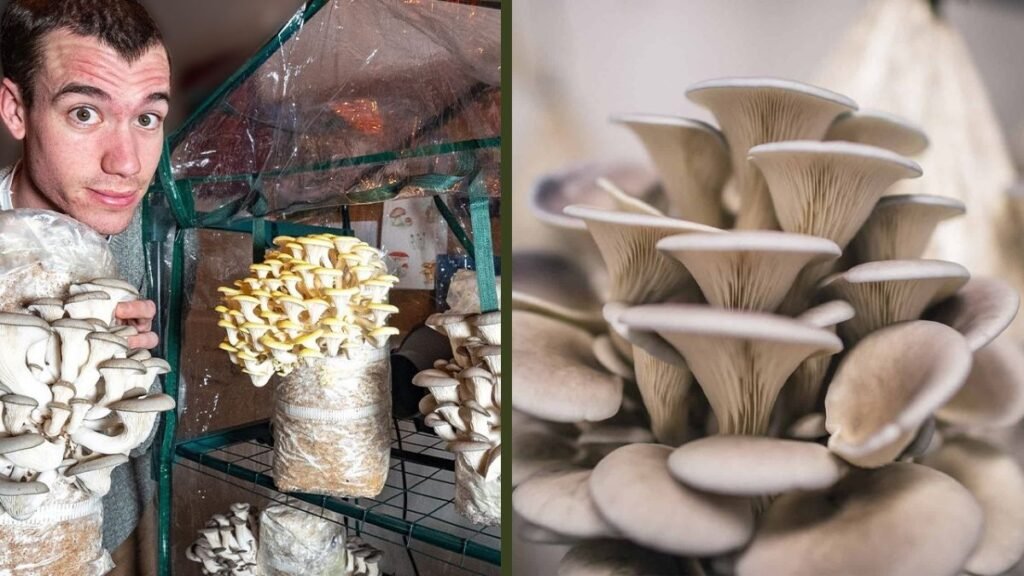
Maintain temperature between twenty to twenty-five degrees Celsius. Humidity should be high, around eighty to ninety percent. Indirect sunlight or low light is sufficient. Avoid direct sunlight. Use spray bottles to keep humidity. Air circulation is important. Stable conditions promote rapid growth. Environment control is key.
Paragraph 7: Incubation Period
Place inoculated substrate in a dark, warm area. Mycelium will grow over two to three weeks. Keep humidity consistent. Avoid disturbing the substrate. White mycelium growth indicates healthy colonization. Contamination appears as unusual colors. Regular monitoring prevents problems. Patience during incubation is crucial.
Paragraph 8: Identifying Contamination
Green, black, or blue spots indicate contamination. Foul odor is also a warning. Remove contaminated portions immediately. Discard heavily infected containers. Maintain strict hygiene to avoid spread. Sterilization reduces risks. Healthy substrate produces more mushrooms. Early identification saves crops.
Paragraph 9: Inducing Fruiting
Once substrate is fully colonized, trigger fruiting by lowering temperature slightly. Increase light slightly to simulate natural conditions. Reduce carbon dioxide levels by improving ventilation. Maintain high humidity. Mist gently to prevent drying. Avoid shocking the substrate. Fruiting induction encourages pin formation. Careful management is essential.
Paragraph 10: Pinning Stage
Small mushroom pins appear within a few days. Maintain consistent humidity. Avoid touching pins. Provide adequate airflow. Mist lightly without drenching. Pins grow quickly into mature mushrooms. Nutrients from substrate support rapid growth. Monitoring ensures maximum survival of pins.
Paragraph 11: Mushroom Growth
Giant abalone mushrooms expand rapidly. Caps develop fan-shaped edges. Keep humidity high. Moderate ventilation prevents deformation. Harvesting window is short. Avoid overcrowding by spacing substrate properly. Healthy growth depends on stable conditions. Growth stage is the most exciting.
Paragraph 12: Harvesting Techniques
Harvest when caps are fully expanded but before edges curl up. Use a clean knife or scissors. Avoid pulling mushrooms forcefully. Handle gently to prevent damage. Morning harvest preserves freshness. Frequent harvesting encourages more flushes. Record yields to track performance. Correct technique increases quality.
Paragraph 13: Post-Harvest Care
Continue misting substrate for additional flushes. Remove old or decayed mushrooms. Maintain high humidity. Keep environment clean. Proper care produces multiple yields. Compost leftover substrate. Substrate can support several harvest cycles. Post-harvest care maximizes productivity.
Paragraph 14: Storage of Harvested Mushrooms
Store mushrooms in a paper bag in the refrigerator. Avoid plastic bags as they trap moisture. Use within five to seven days for best flavor. Freeze if storing long-term. Drying preserves flavor for months. Fresh mushrooms maintain high nutritional value. Correct storage reduces spoilage. Quality control is essential.
Paragraph 15: Common Problems and Solutions
Contamination, low humidity, and insufficient light are common issues. Maintain hygiene and monitor environment. Adjust misting frequency if drying occurs. Use shade cloth for sunlight control. Remove infected substrate immediately. Regular inspection prevents losses. Problem-solving ensures success. Experience improves outcomes.
Paragraph 16: Benefits of Growing at Home
Fresh mushrooms are free of chemicals. They offer high nutritional value. Home cultivation saves money. Provides a hobby and learning opportunity. Easy to scale up in small spaces. Continuous supply for cooking. Can be profitable for small-scale sales. Personal satisfaction is high.
Paragraph 17: Table – Giant Abalone Mushroom Home Cultivation Guide
Table: Giant Abalone Mushroom Growth Essentials
Aspect | Recommended Practice
Spawn | Healthy and fresh
Substrate | Straw, sawdust, or coffee grounds
Temperature | Twenty to twenty-five degrees Celsius
Humidity | Eighty to ninety percent
Light | Indirect or low light
Harvesting | When caps expand
Paragraph 18: Scaling Up for More Yield
Use multiple containers or larger bags. Stack vertically in small spaces. Monitor humidity and ventilation. Larger operations require careful management. Multiple flushes increase total harvest. Record observations for efficiency. Scaling improves supply for family or market. Consistency is key.
Paragraph 19: Tips for Maximum Productivity
Avoid overcrowding substrate. Maintain consistent temperature and humidity. Use fresh spawn for every cycle. Remove decayed mushrooms promptly. Rotate containers for uniform growth. Keep environment clean. Mist regularly but avoid waterlogging. Careful management maximizes yields.
Paragraph 20: Conclusion
Growing giant abalone mushrooms at home is rewarding and feasible. Proper preparation, hygiene, and environmental control are essential. Multiple harvests are possible from a single batch. Fresh mushrooms provide nutrition and flavor. Hobbyists and small-scale growers can benefit greatly. Following these steps ensures success. Start small and expand gradually. Enjoy gourmet mushrooms at home all year.