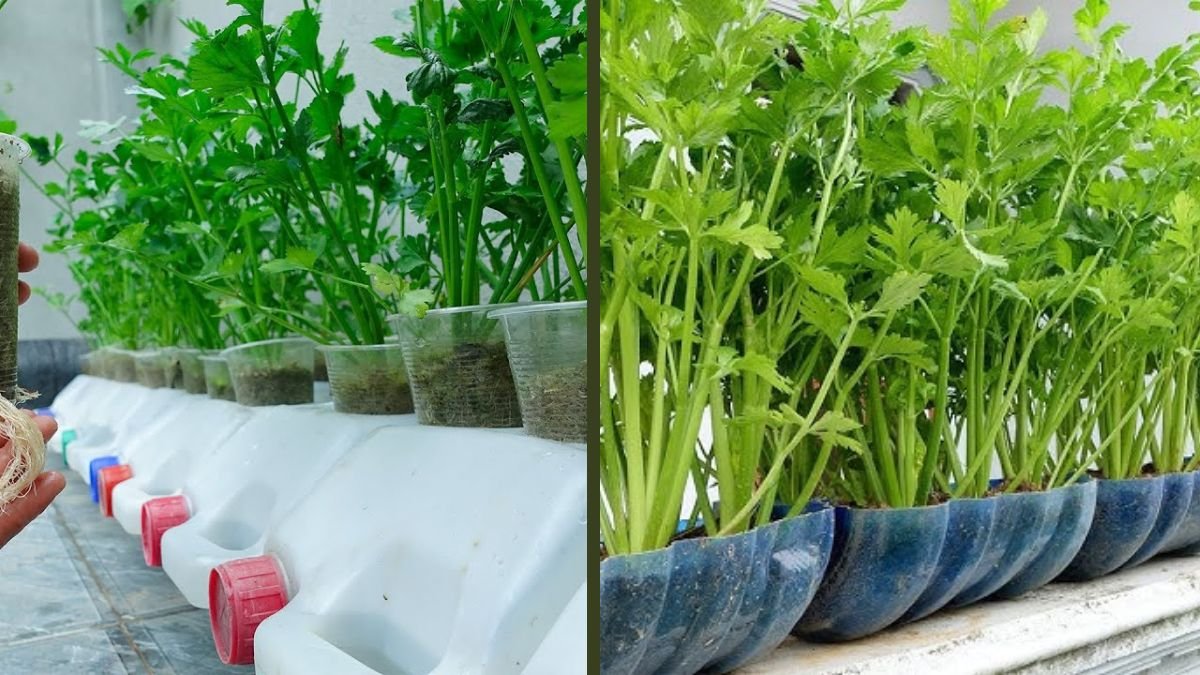
Introduction to Celery Gardening Without a Garden
Celery is a crunchy, nutrient-rich vegetable commonly used in cooking. Many assume it requires a garden or large space. Surprisingly, celery grows easily in containers or small pots. Seed-to-harvest celery can be cultivated indoors. This method suits urban homes, apartments, and balconies. Growing from seeds is cost-effective. Celery harvests provide fresh flavor and consistent supply. This article explains the complete process, including seed selection, sowing, care, and harvesting.
Why Grow Celery at Home
Homegrown celery is chemical-free. Leaves and stalks are tender and flavorful. Grocery stores often sell pre-packaged, less fresh celery. Growing at home ensures freshness. Saves money on repeated purchases. Indoor growing encourages healthy lifestyle. Suitable for families and students. Continuous harvest is possible.
Selecting Celery Seeds
Choose high-quality seeds from a trusted source. Organic seeds germinate better. Ensure seeds are free from mold. Seeds can be stored properly until planting. Seed selection affects growth speed and quality. Some varieties are more compact for indoor growth. Healthy seeds improve yield. Choose varieties suitable for container growing.
Choosing the Right Container
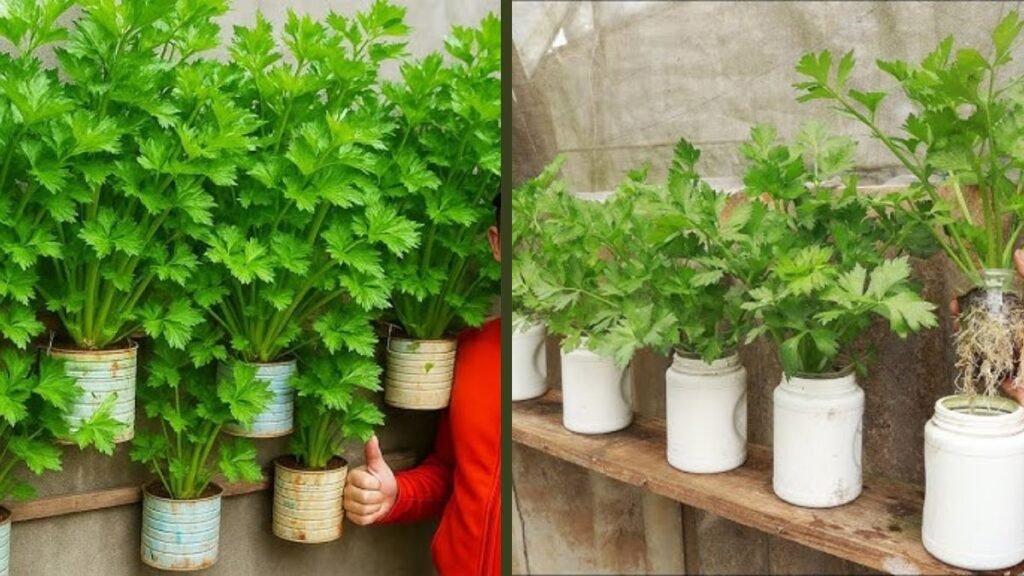
Deep containers with drainage holes work best. Reused buckets, pots, or trays are ideal. Soil should not leak. Container size affects root development. Multiple containers allow staggered planting. Proper drainage prevents waterlogging. Lightweight containers are easier to manage indoors.
Soil Preparation
Use light, nutrient-rich soil. Add compost or kitchen waste. Avoid heavy clay soils. Maintain slightly acidic to neutral pH. Loamy soil ensures root aeration. Fertile soil improves taste. Well-prepared soil encourages fast growth. Proper soil prevents nutrient deficiency.
Sowing Celery Seeds
Sow seeds thinly on soil surface. Lightly cover with soil or sand. Keep soil moist, not wet. Use a spray bottle for gentle watering. Germination takes 10 to 21 days. Maintain warm conditions for sprouting. Indoors, place near sunlight. Avoid disturbing seeds.
Providing Adequate Light
Celery requires 6 to 8 hours of light daily. Windowsills, balconies, or LED grow lights work well. Insufficient light causes weak, leggy plants. Rotate containers for even exposure. Strong light encourages straight, healthy stalks. Indirect light prevents leaf burn. Proper light improves yield.
Watering and Moisture Management
Celery prefers consistently moist soil. Avoid waterlogging. Mist leaves in dry climates. Mulch top layer to retain moisture. Containers dry faster than garden soil. Regular hydration ensures crunchy stalks. Consistency is key for growth. Avoid drought stress.
Fertilization
Organic compost or liquid manure works best. Feed every two weeks lightly. Avoid excessive nitrogen to prevent leafy growth only. Balanced nutrients encourage long stalks and healthy leaves. Regular fertilization improves taste. Reuse kitchen waste for sustainability. Cost-effective feeding enhances productivity.
Thinning Seedlings
Thin weak seedlings. Leave one strong plant per container or hole. Proper spacing prevents overcrowding. Encourages air circulation. Healthy plants grow taller and stronger. Thinning improves root development. Prevents disease spread. Ensures better harvest.
Training and Supporting Celery
Celery stalks are upright. Containers may need support. Small stakes prevent bending. Tie gently if necessary. Strong stems resist breakage. Support ensures even growth. Reduces risk of toppling. Proper care produces clean, straight stalks.
Managing Pests and Diseases
Watch for aphids and slugs. Neem oil or mild soap spray is effective. Keep foliage dry to prevent fungal diseases. Remove damaged leaves. Maintain clean containers. Early detection prevents major losses. Pest-free celery grows faster. Organic methods are safest.
Harvesting Celery
Stalks are ready in 80 to 100 days. Cut outer stalks first. Leave inner stalks for continued growth. Harvest regularly to encourage more stalks. Use clean scissors. Morning harvest keeps leaves crisp. Avoid uprooting plants unless necessary. Proper harvest maximizes yield.
Preserving Celery
Store in airtight containers or wrap in damp cloth. Refrigeration extends freshness. Freeze chopped celery for long-term use. Celery juice can also be preserved. Proper storage maintains nutrients. Avoid storing in plastic bags alone. Use natural preservation methods.
Cooking Celery Easily
Use in soups, salads, stir-fries, or juices. Fresh celery enhances flavor. Tender leaves add nutritional value. Quick cooking preserves crunch. Steaming retains vitamins. Celery is versatile in cuisines. Simple methods maintain natural taste.
Nutritional Benefits of Celery
Low in calories. Rich in fiber. Contains vitamins A, C, and K. Supports digestion and hydration. Antioxidants protect cells. Fresh celery improves immunity. Homegrown celery is chemical-free. Daily consumption is beneficial.
Comparison: Container vs Garden Celery Growing
Table written in words
Row headings: Factor, Container Growing, Garden Growing
Space requirement – Very low versus High
Control over conditions – High versus Moderate
Pest exposure – Lower versus Higher
Harvest ease – Easy versus Moderate
Common Mistakes to Avoid
Overwatering causes root rot. Poor light causes weak stems. Overcrowding reduces yield. Skipping fertilization slows growth. Inconsistent care reduces quality. Early intervention prevents losses. Small mistakes affect harvest. Careful management ensures success.
Tips for Continuous Indoor Harvest
Stagger sowing every few weeks. Reuse soil carefully. Maintain container cleanliness. Regularly feed plants. Rotate containers for sunlight. Monitor pests daily. Continuous care ensures year-round harvest. Indoor celery is reliable and productive.
Long-Term Indoor Gardening Benefits
Homegrown celery reduces grocery costs. Ensures fresh produce. Encourages sustainable habits. Suitable for limited spaces. Educational for children. Healthy lifestyle promotion. Reduces chemical exposure. Indoor gardening is rewarding.
Conclusion
Growing celery from seeds without a garden is simple and effective. Using containers, proper soil, sunlight, and care allows consistent harvests. Preservation methods extend usability. Homegrown celery is chemical-free, nutritious, and delicious. Urban dwellers and beginners can successfully grow it indoors. This method is practical, cost-effective, and sustainable. Start today for fresh, crunchy celery anytime at home.