Introduction to DIY Container Gardening
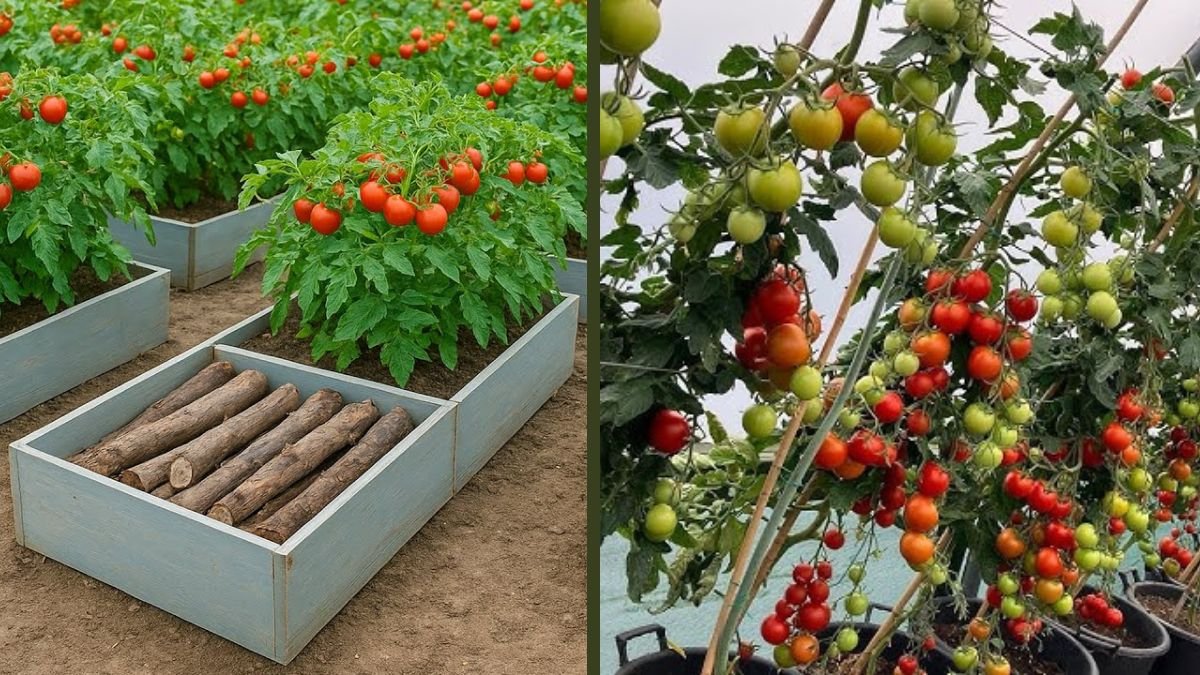
Old household items like drawers and styrofoam boxes can be transformed into productive gardens. This method saves money and reduces waste. You can grow a variety of vegetables like spinach, lettuce, beans, or tomatoes. DIY container gardening is perfect for urban spaces and balconies. Containers provide proper drainage and mobility. Lightweight materials like styrofoam are easy to manage. This article explains two easy methods to use drawers and styrofoam boxes for vegetable growing.
Why Use Household Items for Gardening
Repurposing items reduces plastic dependency. Household containers are readily available. They are low-cost and eco-friendly. They allow control over soil, water, and sunlight. Plants in containers are easier to monitor. Lightweight containers can be moved for sunlight. DIY gardening promotes creativity. It makes urban gardening accessible to all.
Choosing Vegetables for Drawer Gardening
Leafy vegetables grow best in shallow drawers. Spinach, lettuce, coriander, and fenugreek are ideal. Small root vegetables like radish and carrot also work. Avoid heavy fruiting vegetables in shallow containers. Companion planting is possible. Seasonal selection improves yield. Container depth should match plant type. Proper selection ensures success.
Choosing Vegetables for Styrofoam Boxes
Styrofoam boxes are deeper and retain moisture. Ideal for tomato, beans, capsicum, and small eggplants. Light and portable for terraces. Styrofoam retains temperature well. Suitable for both seeds and seedlings. Easy to handle and move. Avoid overloading with heavy plants. Proper choice improves yield.
Preparing Old Drawers for Planting
Clean drawer thoroughly. Drill small drainage holes at base. Place a mesh or cloth to prevent soil loss. Check for leaks. Ensure drawer stability. Place near sunlight. Shallow drawers work best. Preparation is key to healthy plants.
Preparing Styrofoam Boxes for Gardening
Cut drainage holes in base. Place a layer of pebbles for aeration. Fill with fertile soil mix. Ensure lightweight handling. Styrofoam provides insulation for roots. Avoid chemical contamination. Place on balcony or terrace. Proper preparation improves root health.
Soil Preparation for Containers
Mix garden soil with compost and sand. Fertile and light soil is essential. Proper drainage prevents root rot. Soil pH should suit chosen vegetables. Avoid heavy clay. Organic matter ensures nutrient retention. Balanced soil mix improves growth. Container soil differs from field soil.
Sowing Seeds in Drawers
Sow seeds according to spacing. Cover lightly with soil. Water gently after sowing. Maintain proper depth. Thin seedlings if overcrowded. Monitor daily for moisture. Ensure consistent care. Proper sowing improves germination.
Sowing Seeds in Styrofoam Boxes
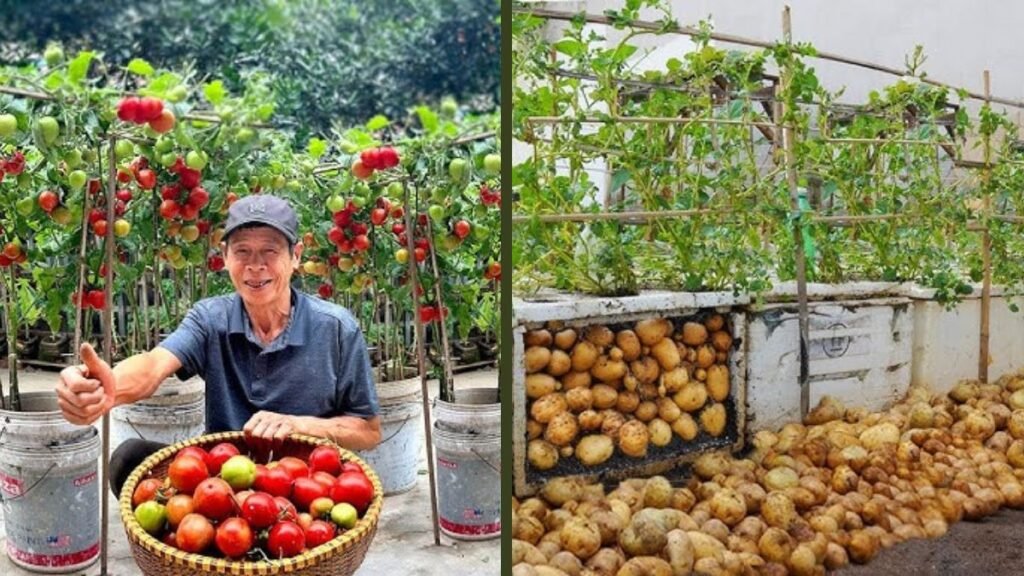
Use slightly deeper planting holes. Space seeds for adequate growth. Water immediately after planting. Styrofoam retains moisture. Avoid excessive watering. Cover seeds lightly with soil. Monitor temperature and sunlight. Proper sowing ensures healthy start.
Watering and Moisture Management
Container plants require regular watering. Avoid stagnant water. Styrofoam retains moisture, reduce frequency. Drawers dry faster, water more often. Use watering can or spray. Morning watering is best. Proper moisture prevents fungal issues. Observe soil daily.
Fertilizer and Nutrient Management
Feed containers with compost. Liquid fertilizers help fast-growing plants. Nitrogen for leafy vegetables. Phosphorus and potassium for fruiting vegetables. Apply every two weeks. Avoid over-fertilization. Balanced nutrition ensures growth. Container feeding is easier to control.
Sunlight Requirements
Vegetables need 5 to 6 hours of sunlight. Partial shade for sensitive plants. Rotate containers if possible. Proper light improves photosynthesis. Sunlight enhances flavor and growth. Protect from extreme heat. Light management ensures healthy leaves. Position containers accordingly.
Pest and Disease Management
Check daily for pests. Neem oil and organic sprays work well. Remove infected leaves. Containers prevent soil-borne disease. Proper air circulation reduces fungal infection. Maintain cleanliness around containers. Healthy plants resist pests. Eco-friendly control is preferred.
Harvesting Leafy Vegetables
Spinach, lettuce, coriander are ready in 3-4 weeks. Pick outer leaves first. Avoid uprooting entire plant. Regular harvesting encourages regrowth. Check daily for pests. Freshly harvested leaves taste better. Vertical containers make picking easy. Continuous harvest is possible.
Harvesting Fruiting Vegetables
Tomatoes and capsicum can be harvested when ripe. Styrofoam boxes support small plants. Pick fruits carefully to avoid bruising. Harvesting regularly encourages flowering. Use sharp scissors for large fruits. Monitor fruit size. Container support improves fruit shape. Timely harvesting ensures quality.
Advantages of Drawer and Styrofoam Gardening
Low cost and eco-friendly. Ideal for small spaces. Lightweight and portable. Easy soil and water control. Reduces plastic use. Suitable for beginners. Supports variety of vegetables. Enhances creativity in gardening.
Comparison: Drawer vs Styrofoam Box Gardening
| Aspect | Drawer Gardening | Styrofoam Box Gardening |
|---|---|---|
| Depth | Shallow | Deep |
| Moisture Retention | Moderate | High |
| Portability | Moderate | Easy |
| Suitable Plants | Leafy Vegetables | Fruiting and Leafy |
| Insulation | Low | High |
Creative Tips for Container Gardening
Use multiple drawers vertically. Add bamboo sticks for climbing plants. Decorate containers with paint. Use drip irrigation if possible. Combine flowers and vegetables. Use leftover household items creatively. Rotate containers for sun. Creativity enhances yield.
Long-Term Care of Container Plants
Water regularly. Fertilize periodically. Prune excess leaves. Check for pests. Rotate crops seasonally. Maintain cleanliness. Provide support for vines. Consistent care ensures continuous productivity.
Troubleshooting Common Issues
Overwatering causes root rot. Underwatering slows growth. Poor soil affects yield. Sunlight shortage leads to weak plants. Pest attack can damage leaves. Identify problems early. Corrective action saves crop. Observation is key.
Conclusion
Old drawers and styrofoam boxes are excellent DIY gardening tools. They make urban gardening easy and productive. Both leafy and fruiting vegetables grow well in containers. Low cost and eco-friendly methods suit all gardeners. With simple care, anyone can enjoy fresh vegetables. Start container gardening today and turn old items into a green oasis.