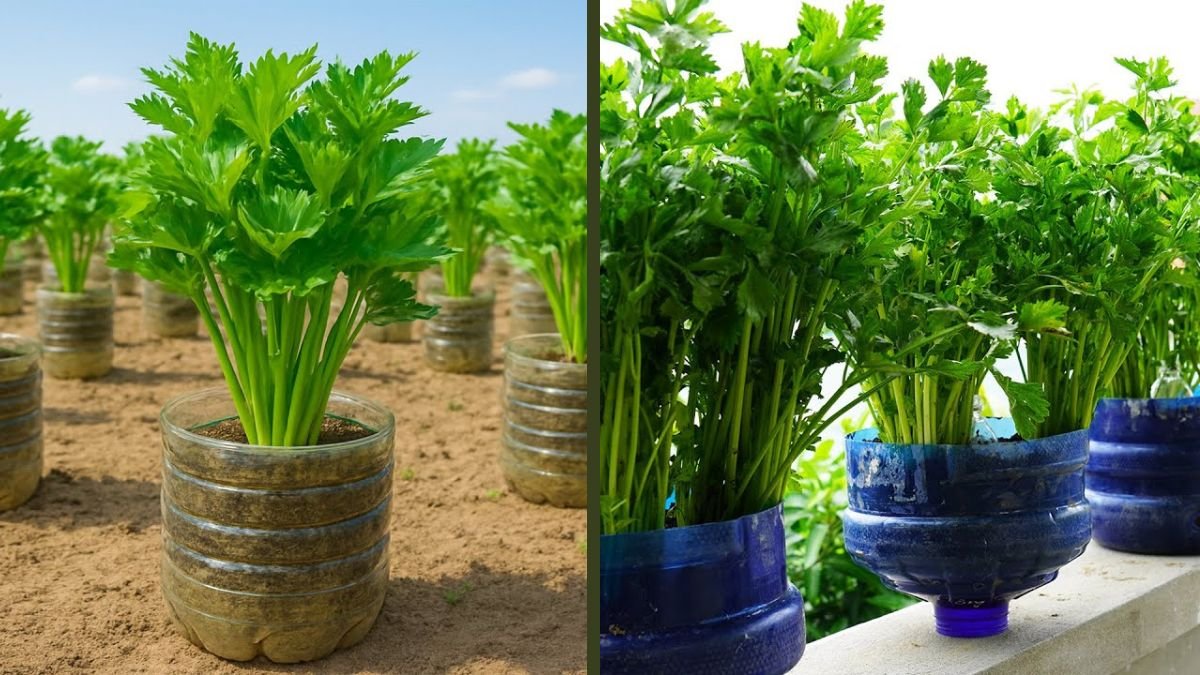
Introduction: Rethinking How We Grow Celery
Many gardeners struggle to grow celery successfully. Poor water quality and plastic containers cause issues. Well water may contain salts and minerals. Plastic cans restrict root growth. Celery needs consistent moisture and airflow. Traditional methods often fail. There is a smarter, natural way. By using better containers and water management, celery thrives. This article reveals an easy alternative method.
Why Celery Is Considered a Difficult Plant
Celery has shallow roots. It needs constant moisture. Sudden drying affects growth. Poor drainage causes rot. Celery dislikes extreme heat. Soil quality matters greatly. Inconsistent watering leads to bitterness. Many gardeners give up early. Understanding its needs is essential.
Problems with Using Plastic Cans
Plastic cans trap heat. Roots overheat easily. Drainage is often poor. Chemicals may leach into soil. Plastic restricts airflow. Roots suffocate. Algae grows inside plastic containers. This affects plant health. Plastic also harms the environment.
Issues with Well Water for Plants
Well water often contains excess minerals. Salt buildup damages roots. Leaves turn yellow. Growth slows down. Soil becomes hard over time. Celery is sensitive to water quality. Using untreated well water affects yield. Proper water management is needed.
The Better Alternative: Natural Containers
Natural containers breathe. They regulate temperature. Coconut shells, clay pots, or fabric grow bags are ideal. They allow air pruning of roots. Moisture remains balanced. Plants grow healthier. Natural materials are eco-friendly. They support sustainable gardening.
Best Container Choice for Celery
Fabric grow bags work excellently. Coconut shell planters suit small plants. Clay pots maintain cool soil. Avoid shallow containers. Minimum depth should be twenty centimeters. Good drainage is essential. Proper container choice boosts success.
Ideal Soil Mix for Celery
Celery needs rich, moist soil. Mix garden soil with compost. Add cocopeat for moisture retention. Vermicompost improves nutrition. Soil should be loose. Avoid heavy clay soil. Balanced soil ensures tender stalks.
Using Rainwater Instead of Well Water
Rainwater is soft and clean. It lacks excess minerals. Plants absorb nutrients easily. Collect rainwater in barrels. Filter before use. Rainwater improves celery taste. It reduces soil salinity. This simple change boosts growth.
Alternative Water Treatment Methods
If rainwater is unavailable, treat well water. Let water sit overnight. This reduces hardness. Add organic matter to soil. Mulching helps prevent salt buildup. Use diluted water occasionally. Simple methods protect plants.
Growing Celery from Kitchen Scraps
Celery regrows from base. Place base in shallow water. Roots sprout within days. Transfer to soil. This saves money. Fresh celery grows easily. This method is beginner-friendly. Sustainable and rewarding.
Step-by-Step Celery Growing Method
Choose natural container. Prepare rich soil mix. Plant celery base or seedling. Water with rainwater. Place in partial sunlight. Maintain moisture. Mulch soil surface. Observe growth regularly.
Sunlight Requirements for Celery
Celery prefers partial sunlight. Too much heat stresses plants. Morning sun is ideal. Avoid harsh afternoon sun. Shade improves tenderness. Balanced light produces juicy stalks. Proper placement matters.
Nutrient Feeding Schedule
Celery is a heavy feeder. Use liquid compost every two weeks. Avoid chemical fertilizers. Organic feeding improves flavor. Nitrogen supports leaf growth. Potassium strengthens stalks. Balanced feeding is essential.
Pest Management Without Chemicals
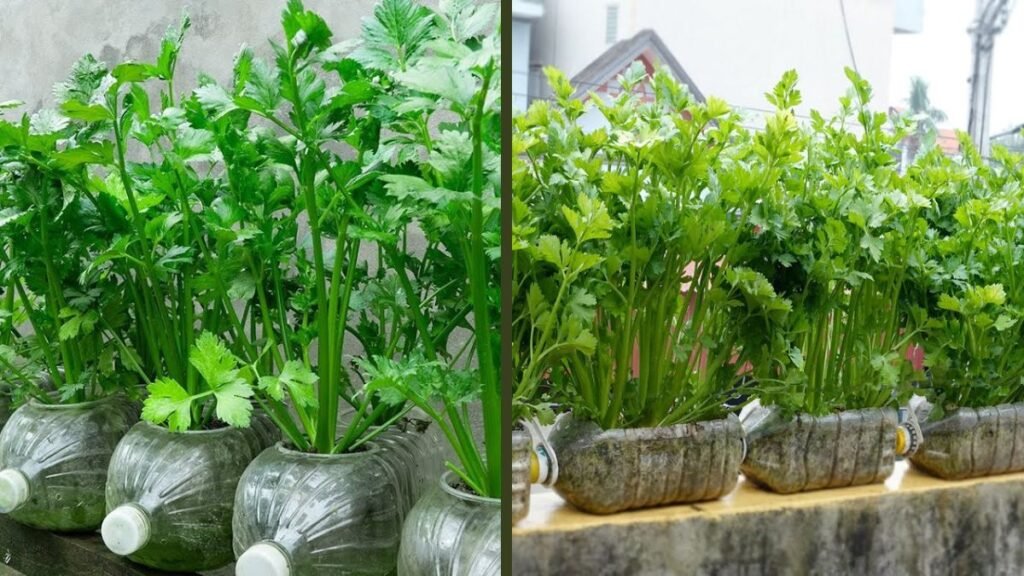
Celery attracts aphids and snails. Neem oil controls pests. Handpick snails. Encourage beneficial insects. Avoid chemical sprays. Healthy soil reduces pest attacks. Natural methods work best.
Harvesting Celery Correctly
Harvest outer stalks first. Avoid pulling whole plant early. Cut near base. Regular harvesting encourages growth. Fresh celery tastes better. Proper harvesting extends plant life.
Common Growing Mistakes
Overwatering causes rot. Underwatering makes celery bitter. Poor drainage kills roots. Excess sun stresses plants. Using plastic containers restricts growth. Avoid these mistakes.
Comparison Table: Smart vs Traditional Method
| Aspect | Smart Growing Method |
|---|---|
| Container | Natural breathable containers |
| Water Source | Rainwater or treated water |
| Soil | Rich organic mix |
| Pest Control | Natural methods |
| Yield Quality | Tender and flavorful |
Benefits of This Method
Healthier plants grow consistently. Yield improves. Costs reduce. Environment benefits. Gardening becomes easier. Suitable for beginners. Sustainable approach. Long-term success guaranteed.
Urban Gardening Advantage
Balconies benefit greatly. Less space required. Minimal investment. Clean produce at home. Suitable for apartments. Fresh celery anytime.
Long-Term Sustainability
Natural methods protect soil. Reduce plastic waste. Encourage reuse. Promote organic living. Support eco-friendly habits. Healthy lifestyle choice.
Final Conclusion
Stop struggling with celery growth. Avoid plastic cans and untreated well water. Use natural containers and better water practices. Celery becomes easy to grow. Taste improves significantly. This smart method saves money and supports sustainability. Grow celery the right way and enjoy fresh harvests at home.