Paragraph 1: Introduction to Growing Sweet Potatoes at Home
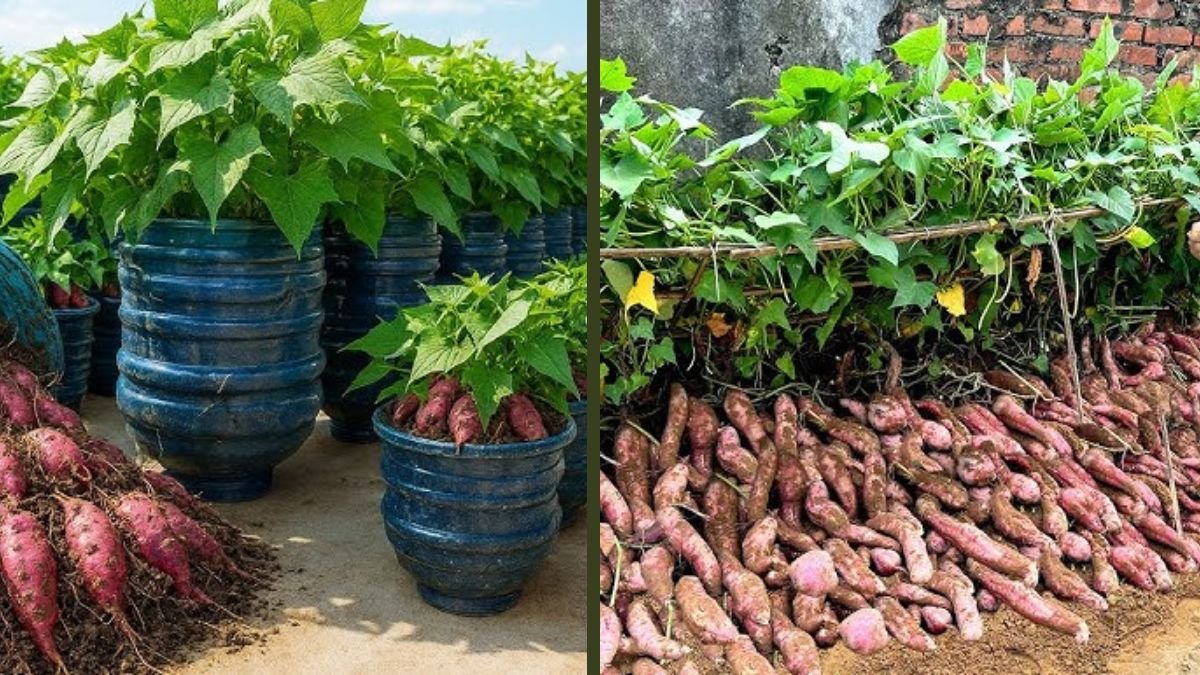
Sweet potatoes are nutritious root vegetables that grow easily with minimal care. Many people are surprised to learn how simple it is to grow them at home. This wonderful method uses sweet potato slips rather than seeds. Home-grown sweet potatoes taste better and are chemical-free. They thrive in warm climates and containers. This technique is perfect for beginners. Watching sweet potatoes grow is satisfying. This method ensures abundant harvests.
Paragraph 2: Why Grow Sweet Potatoes at Home
Growing sweet potatoes at home saves money and ensures food safety. Store-bought vegetables may contain chemicals. Home gardening offers freshness and control. Sweet potatoes are rich in fiber and vitamins. They require little maintenance. They grow well in pots, bags, and gardens. Home cultivation promotes self-sufficiency. Anyone can grow them successfully.
Paragraph 3: Understanding Sweet Potato Growth Cycle
Sweet potatoes grow from slips, which are sprouts from mature tubers. Slips develop roots when planted. The plant spreads through vines. Underground tubers form over time. The growth cycle takes three to four months. Warm soil is essential. Understanding the cycle improves success. Knowledge leads to better harvests.
Paragraph 4: Selecting the Right Sweet Potato
Choose healthy, organic sweet potatoes free from damage. Avoid treated store potatoes. Medium-sized tubers work best. The potato should have visible eyes. Fresh potatoes sprout faster. Quality selection affects growth. Healthy tubers produce strong slips. Selection is a critical step.
Paragraph 5: Materials Needed for Sweet Potato Growing
You need sweet potatoes, water, containers, soil, and compost. Toothpicks may help suspend potatoes in water. Large pots or grow bags work well. Organic compost boosts growth. All materials are easily available. Preparation simplifies the process. Organized setup ensures success.
Paragraph 6: Preparing Sweet Potato Slips
Place the sweet potato in water or soil. Half of the potato should be submerged. Keep it in a warm, bright place. Sprouts appear in one to two weeks. Allow slips to grow several inches. Remove slips gently. Proper preparation ensures strong plants.
Paragraph 7: Rooting the Slips
Place slips in water until roots develop. Change water regularly. Roots appear within a week. Healthy roots indicate readiness for planting. Avoid planting weak slips. Rooting strengthens plants. This step improves survival rate.
Paragraph 8: Preparing Soil for Sweet Potatoes
Sweet potatoes need loose, well-draining soil. Mix garden soil with compost and sand. Avoid compact soil. Raised beds or pots work best. Good soil allows tuber expansion. Soil preparation is essential. Proper drainage prevents rot.
Paragraph 9: Planting Sweet Potato Slips
Plant slips deep enough to cover roots. Space them properly. Water immediately after planting. Keep soil moist initially. Avoid overcrowding. Proper planting encourages tuber formation. Gentle handling prevents damage.
Paragraph 10: Watering and Sunlight Needs
Sweet potatoes need consistent watering. Avoid waterlogging. Six to eight hours of sunlight is ideal. Warm conditions promote growth. Reduce watering near harvest time. Balanced care ensures healthy vines. Sunlight drives tuber development.
Paragraph 11: Vine Growth and Maintenance
Vines spread quickly. Prune excess growth if needed. Avoid disturbing soil. Healthy vines indicate good tuber growth. Regular monitoring helps. Vine management improves yield. Maintenance is simple.
Paragraph 12: Fertilization Practices
Use organic compost sparingly. Avoid nitrogen-rich fertilizers. Excess nitrogen causes leaf growth, not tubers. Balanced nutrients support root development. Fertilize once a month. Moderate feeding works best.
Paragraph 13: Pest and Disease Prevention
Sweet potatoes are relatively pest-resistant. Keep area clean. Avoid waterlogging. Remove damaged leaves. Natural pest control methods work well. Healthy plants resist disease. Prevention is better than treatment.
Paragraph 14: Harvesting Sweet Potatoes
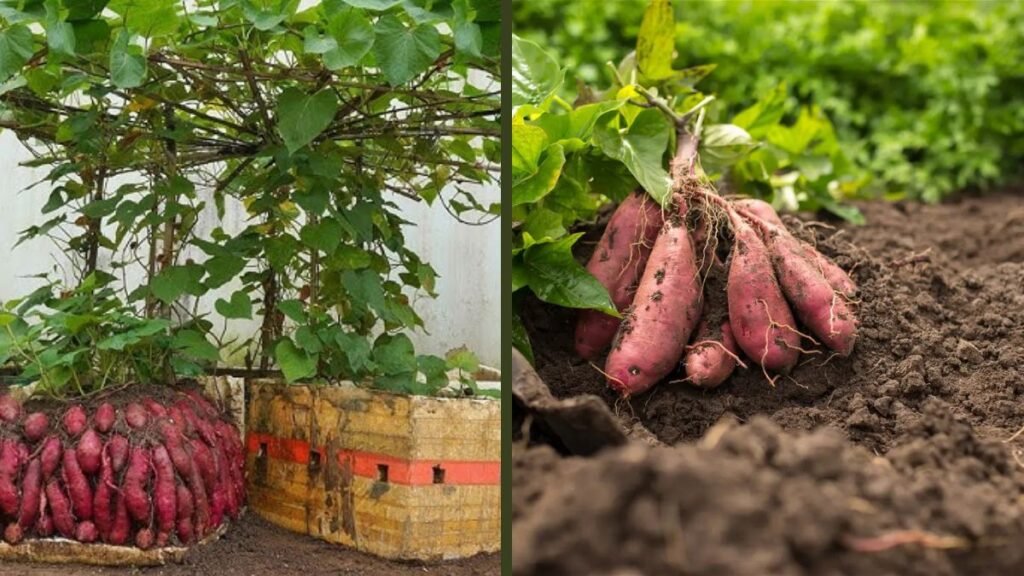
Harvest after three to four months. Yellowing leaves indicate readiness. Dig carefully to avoid damage. Handle tubers gently. Harvest during dry weather. Proper harvesting ensures quality. Timing affects taste.
Paragraph 15: Curing and Storage
Cure sweet potatoes in warm conditions for one week. This improves sweetness. Store in a cool, dry place. Avoid refrigeration. Proper curing extends shelf life. Storage affects flavor. Careful handling is important.
Paragraph 16: Benefits of This Wonderful Growing Method
This method is simple and effective. It produces high yields. It suits small spaces. It promotes organic gardening. Beginners can succeed easily. Results are satisfying. Sustainability is a major benefit.
Paragraph 17: Table – Sweet Potato Growing Guide
Table: Key Details for Growing Sweet Potatoes at Home
Aspect | Description
Planting method | Slips from tubers
Soil type | Loose and well-draining
Sunlight | Six to eight hours
Growing period | Three to four months
Harvest yield | High with proper care
Paragraph 18: Container vs Ground Growing
Containers allow mobility. Ground offers more space. Containers suit small homes. Ground suits gardens. Both methods work well. Choose based on space. Flexibility makes sweet potatoes adaptable.
Paragraph 19: Teaching Sustainable Food Growing
Growing sweet potatoes teaches patience and care. It promotes healthy eating habits. Children enjoy observing growth. Gardening builds responsibility. Sustainable practices benefit families. Learning through gardening is valuable.
Paragraph 20: Conclusion
This wonderful way to grow sweet potatoes is easy and rewarding. With simple steps, anyone can enjoy fresh harvests. Home-grown sweet potatoes are healthier and tastier. This method supports sustainability. Start growing today and experience the joy of harvesting your own food.