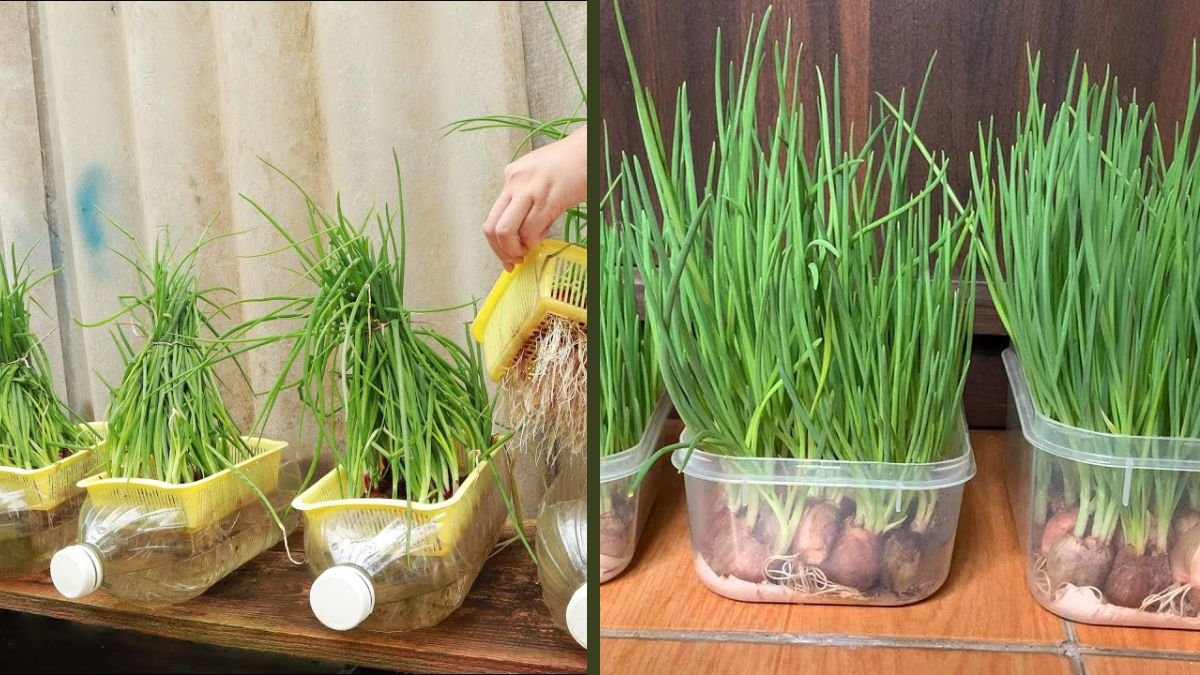
Paragraph 1: Introduction to Growing Green Onions in a Dried Coconut
Growing green onions at home is one of the easiest and most rewarding kitchen gardening activities. Using a dried coconut shell as a planter is a creative and eco-friendly way to reuse natural waste. This method combines sustainability with simplicity, making it perfect for beginners. Green onions grow quickly and require minimal care. The dried coconut shell provides natural drainage and insulation for roots. This technique is ideal for small spaces like balconies and windowsills. It reduces plastic use while encouraging organic gardening. Anyone can try this method at home successfully.
Paragraph 2: Why Choose a Dried Coconut for Growing Green Onions
A dried coconut shell is biodegradable, natural, and readily available in many households. It allows excess water to drain easily, preventing root rot. Coconut shells retain moisture while allowing airflow to roots. They also add a rustic, decorative look to your garden. Using coconut shells supports sustainable gardening practices. This method reduces waste and promotes reuse. Green onions thrive in shallow containers like coconut shells. It is an excellent alternative to plastic pots.
Paragraph 3: Benefits of Growing Green Onions at Home
Green onions are rich in vitamins and antioxidants that support overall health. Growing them at home ensures fresh, chemical-free produce. Home-grown green onions taste better than store-bought ones. They grow fast and can be harvested multiple times. This saves money and reduces grocery dependence. Gardening also reduces stress and improves mental health. Green onions require little space and care. This makes them perfect for beginners.
Paragraph 4: Selecting the Right Dried Coconut Shell
Choose a fully dried coconut shell that is strong and crack-free. The shell should be clean and free from mold. Ensure drainage holes are present or create small holes at the bottom. The shell size should allow enough room for roots. Medium-sized coconut shells work best. Avoid shells with sharp edges. Proper selection ensures plant stability. Good containers improve growth success.
Paragraph 5: Materials Required for Coconut Green Onion Gardening
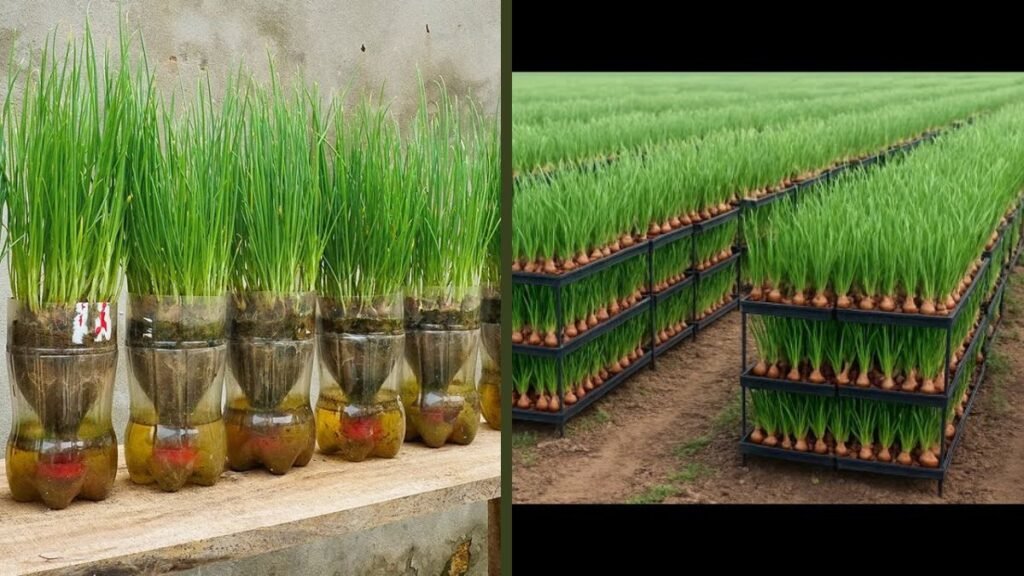
You need a dried coconut shell, green onion bulbs or roots, potting soil, compost, and water. A small gardening tool helps fill soil easily. Organic compost improves nutrient availability. Clean water ensures healthy growth. Optional items include mulch and natural fertilizer. All materials are easily available at home. Preparation makes planting easier. Organized materials save time.
Paragraph 6: Preparing the Coconut Shell for Planting
Wash the coconut shell thoroughly to remove dirt and residue. Allow it to dry completely before use. Check drainage holes to ensure proper water flow. Place small stones at the bottom if needed. Fill the shell with a loose soil and compost mixture. Avoid compacting the soil too tightly. Proper preparation improves root development. This step ensures healthy plant growth.
Paragraph 7: Choosing the Right Green Onion Planting Material
Green onions can be grown from seeds or leftover kitchen scraps. Using onion roots from kitchen waste is easier and faster. Choose fresh green onion bases with healthy white roots. Avoid dried or rotten ends. Fresh roots sprout quickly. This method reduces food waste. Healthy planting material ensures faster growth. Selection directly affects yield.
Paragraph 8: Planting Green Onions in the Coconut Shell
Make small holes in the soil using your fingers. Insert green onion roots gently into the soil. Cover roots lightly while keeping the tips exposed. Space them evenly for better growth. Press soil gently around roots. Water lightly after planting. Avoid flooding the shell. Proper planting ensures quick establishment.
Paragraph 9: Watering Requirements for Green Onions
Green onions prefer moist but not soggy soil. Water when the top soil feels dry. Coconut shells naturally drain excess water. Overwatering causes root rot. Underwatering slows growth. Regular but moderate watering is ideal. Morning watering works best. Balanced watering promotes healthy leaves.
Paragraph 10: Sunlight and Location Needs
Green onions need four to six hours of sunlight daily. Place the coconut shell near a sunny window or balcony. Avoid harsh afternoon sun. Partial shade is acceptable. Indoor placement works well. Rotate the shell for even growth. Proper light encourages strong green shoots. Location affects growth speed.
Paragraph 11: Growth Timeline and What to Expect
Green onions start sprouting within five to seven days. Leaves grow rapidly under good conditions. You can harvest within three to four weeks. Continuous harvesting encourages regrowth. Leaves become thicker over time. Healthy growth indicates proper care. Fast results make this method rewarding. Patience yields fresh produce.
Paragraph 12: Harvesting Green Onions Properly
Harvest green onions by cutting leaves above the soil level. Avoid pulling out the roots. This allows regrowth. Use clean scissors or knife. Harvest only what you need. Regular harvesting promotes new shoots. Gentle handling protects plants. Proper harvesting ensures continuous supply.
Paragraph 13: Reusing and Maintaining the Coconut Planter
Coconut shells can be reused multiple times. Replace soil after several harvests. Clean the shell between plantings. Check drainage regularly. Natural wear is normal. Coconut planters last for months. Proper maintenance extends usability. Sustainable gardening benefits the environment.
Paragraph 14: Fertilizing Green Onions Naturally
Green onions do not need heavy fertilization. Adding compost occasionally is sufficient. Liquid organic fertilizer can be used once a month. Avoid chemical fertilizers. Natural nutrients improve taste. Fertilization supports leaf growth. Balanced feeding prevents overgrowth. Simple nutrition works best.
Paragraph 15: Common Problems and Solutions
Yellow leaves indicate overwatering or poor light. Slow growth may indicate nutrient deficiency. Pests are rare indoors. Remove affected leaves if needed. Improve airflow and sunlight. Adjust watering schedule. Early problem detection prevents damage. Regular observation helps.
Paragraph 16: Advantages of Coconut Shell Gardening
Coconut shell gardening is eco-friendly and cost-effective. It reduces waste and plastic use. It enhances home décor naturally. Plants grow well due to natural drainage. This method suits small spaces. Beginners can easily succeed. Sustainability is a major advantage.
Paragraph 17: Table – Green Onion Coconut Gardening Overview
Table: Key Details for Growing Green Onions in Dried Coconut
Aspect | Description
Container | Dried coconut shell
Planting material | Onion roots or seeds
Sunlight | Four to six hours daily
Watering | Moderate and regular
Harvest time | Three to four weeks
Paragraph 18: Indoor vs Outdoor Coconut Gardening
Indoor gardening provides better control. Outdoor gardening offers natural sunlight. Indoor reduces pests. Outdoor needs protection from rain. Both methods work effectively. Choose based on space availability. Coconut shells adapt easily. Flexibility is a key benefit.
Paragraph 19: Teaching Kids Sustainable Gardening
This method is great for teaching children about plants. It encourages recycling and responsibility. Kids enjoy watching fast growth. Gardening builds patience. It promotes healthy eating habits. Simple steps keep kids engaged. Learning through gardening is valuable.
Paragraph 20: Conclusion
Growing green onions in a dried coconut shell is simple, sustainable, and rewarding. This creative method transforms waste into productivity. It provides fresh produce at home easily. With minimal care, anyone can succeed. This technique supports eco-friendly living. Try it today and enjoy fresh green onions anytime.