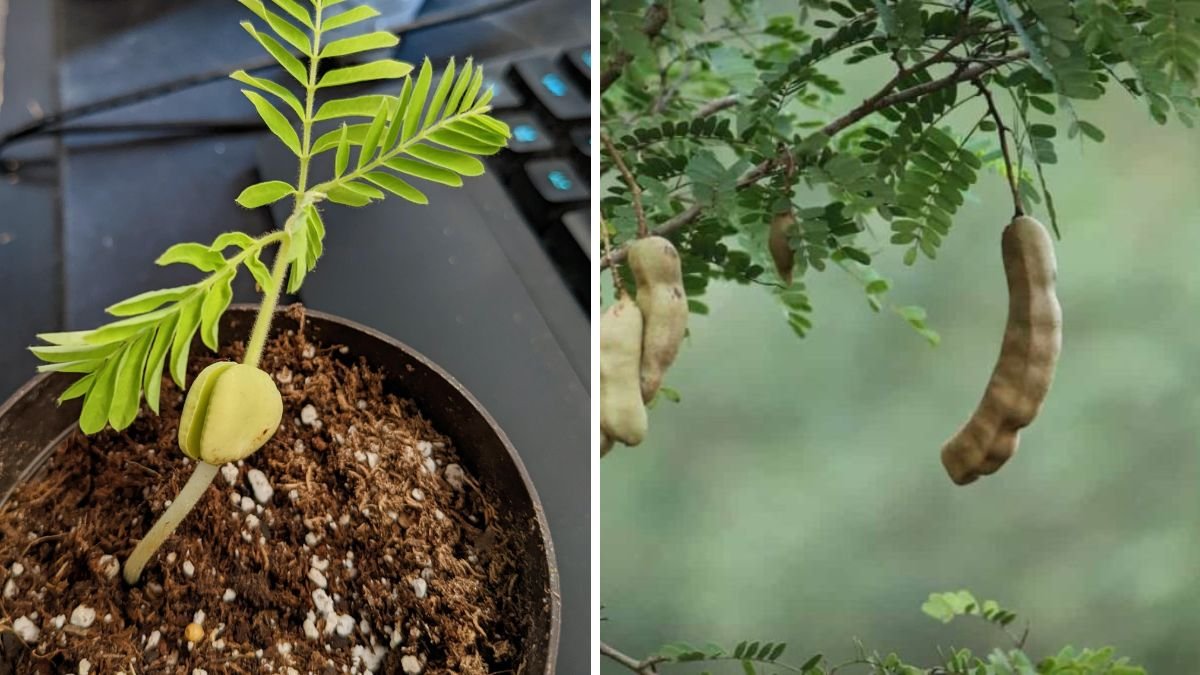
1. Introduction to Growing Tamarind from Seed
Growing tamarind from seed is a rewarding experience for home gardeners who love long-living fruit trees. Tamarind is a tropical tree known for its tangy pods and medicinal value. Starting from seed allows you to observe the entire life cycle. Tamarind seeds are hardy and easy to germinate. With basic care, beginners can succeed easily. This guide explains every step clearly. It focuses on seed selection, germination, and early growth. Proper understanding increases success rates.
2. Understanding the Tamarind Tree
The tamarind tree is a slow-growing, evergreen tropical tree. It can live for decades and grow very large. Leaves are feathery and sensitive to climate. Tamarind produces long pods containing sticky pulp. The tree is drought tolerant once established. It prefers warm climates and full sunlight. Knowing the tree’s nature helps long-term planning. Tamarind is ideal for spacious gardens.
3. Benefits of Growing Tamarind at Home
Homegrown tamarind is chemical-free and fresh. The fruit is rich in vitamins and antioxidants. Tamarind pulp is used in cooking, medicine, and drinks. The tree also provides shade. It improves soil health with leaf litter. Growing tamarind saves money in the long run. It adds value to your garden. The tree becomes a family heritage plant.
4. Choosing Healthy Tamarind Seeds
Fresh seeds give the best results. Seeds can be collected from ripe pods. Choose dark, firm seeds. Avoid cracked or moldy seeds. Fresh seeds germinate faster. Clean the pulp thoroughly before planting. Drying the seeds slightly helps storage. Quality seed selection ensures strong seedlings. This step is very important.
5. Seed Preparation Before Germination
Tamarind seeds have a hard coat. Soaking seeds in warm water for twenty-four hours improves germination. This softens the outer shell. Some gardeners lightly scratch the seed coat. This helps water absorption. Prepared seeds sprout faster. Do not soak too long. Proper preparation saves time. Germination success increases significantly.
6. Best Soil Mix for Germination
Loose and well-draining soil works best. A mix of garden soil, sand, and compost is ideal. Soil should not retain excess water. Good drainage prevents rot. Organic matter supports early growth. Avoid heavy clay soil. Sterile soil reduces disease risk. Proper soil ensures healthy roots. Soil quality affects seedling strength.
7. Planting Tamarind Seeds Correctly
Seeds should be planted one inch deep. Place seeds horizontally in the soil. Cover lightly with soil. Water gently after planting. Use small pots or seed trays. Keep soil moist, not wet. Place containers in warm light. Proper planting encourages uniform sprouting. Label planting dates for tracking.
8. Germination Time and Observation
Tamarind seeds usually germinate within one to two weeks. Some may take longer. Warm temperatures speed up sprouting. Small green shoots appear first. Avoid disturbing the soil. Consistent moisture is important. Germination timing varies. Patience is necessary. Early growth is slow but steady.
9. Light Requirements for Seedlings
Seedlings need bright indirect sunlight. Direct harsh sunlight can damage young plants. Morning sunlight is ideal. Gradually increase light exposure. Proper light strengthens stems. Low light causes weak growth. Balanced exposure improves leaf color. Light management supports healthy development. Avoid sudden light changes.
10. Watering Young Tamarind Plants
Watering should be regular but moderate. Overwatering causes root rot. Soil should remain slightly moist. Allow the top layer to dry slightly. Drainage holes are essential. Water early in the day. Adjust watering with weather changes. Correct watering builds strong roots. Balance is key.
11. Transplanting Seedlings to Bigger Pots
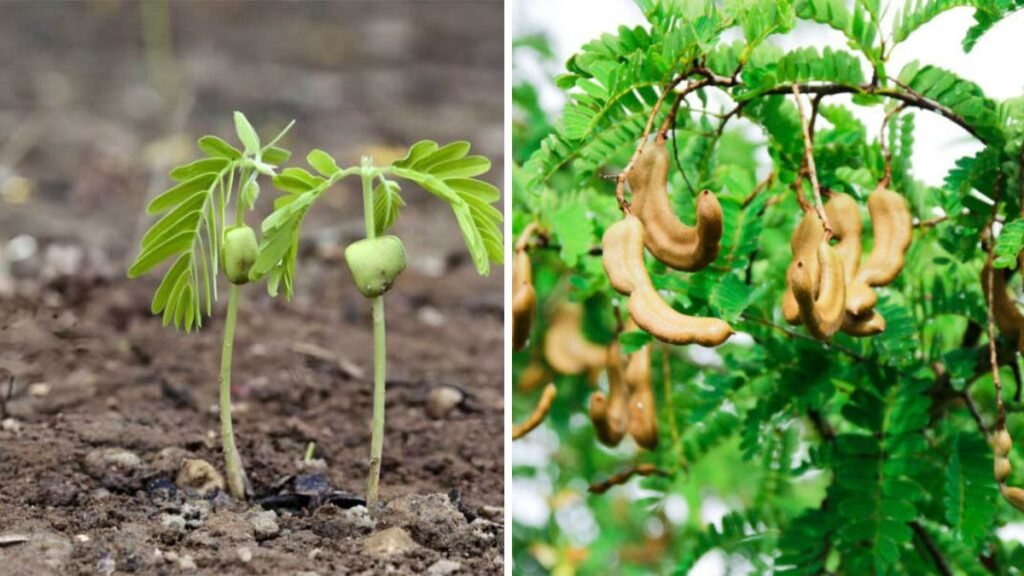
Seedlings are ready for transplanting after two to three months. Choose larger containers with good drainage. Handle roots gently. Transplant during cooler hours. Water well after transplanting. Provide shade for a few days. Transplanting encourages root expansion. Proper timing avoids shock.
12. Fertilizing Tamarind Seedlings
Young plants need light feeding. Organic compost works best. Apply once every month. Avoid chemical fertilizers early. Nitrogen supports leaf growth. Overfeeding harms roots. Balanced nutrition improves vigor. Fertilization should be gentle. Healthy feeding builds resilience.
13. Growth Rate and Development
Tamarind grows slowly initially. First year focuses on root development. Leaves become denser over time. Growth increases after establishment. Patience is required. Environmental conditions influence speed. Slow growth is normal. Consistent care shows results. Tamarind rewards long-term commitment.
14. Climate and Temperature Needs
Tamarind thrives in warm climates. Ideal temperature is above twenty degrees Celsius. Frost damages young plants. Protect seedlings from cold winds. Tropical and subtropical regions are ideal. Indoor protection helps in colder areas. Climate adaptation improves survival. Warmth supports steady growth.
15. Pest and Disease Prevention
Tamarind is generally pest resistant. Occasionally aphids may appear. Neem oil works effectively. Avoid waterlogging to prevent fungus. Good airflow reduces disease. Clean tools prevent infection. Regular inspection helps early control. Healthy plants resist pests naturally.
16. Training and Pruning Young Trees
Light pruning shapes the tree. Remove weak branches early. Training helps strong structure. Avoid heavy pruning initially. Balanced shape improves sunlight penetration. Proper structure supports future fruiting. Pruning should be minimal. Early shaping saves future effort.
17. Growing Tamarind in Containers
Tamarind can grow in large containers initially. Use deep pots. Regular pruning controls size. Container plants grow slower. Ensure good drainage. Container growing suits limited space. Repot periodically. Container tamarind is manageable. Suitable for urban gardeners.
18. When Will Tamarind Bear Fruit
Seed-grown tamarind takes several years to fruit. Usually fruiting starts after six to eight years. Grafted plants fruit earlier. Patience is essential. Proper care speeds maturity. Long wait results in abundant harvest. Fruit production improves with age. Tamarind is a lifetime tree.
19. Common Mistakes to Avoid
Overwatering is the biggest mistake. Poor soil drainage causes failure. Too much fertilizer burns roots. Lack of sunlight weakens growth. Transplanting too early damages seedlings. Ignoring climate needs causes stress. Learning mistakes improves success. Avoid rushing growth.
20. Conclusion
Growing tamarind from seed is simple and rewarding. With patience and care, anyone can succeed. Tamarind trees live long and provide many benefits. Starting from seed builds strong plants. Proper soil, water, and warmth are essential. Long-term commitment is key. The journey is satisfying. Tamarind is worth the effort.
📊 Tamarind Seed Germination Summary Table
| Aspect | Requirement | Result |
|---|---|---|
| Seed freshness | Fresh and healthy | Fast germination |
| Soil | Loose and well-draining | Strong roots |
| Water | Moderate moisture | Healthy seedlings |
| Light | Bright indirect light | Balanced growth |