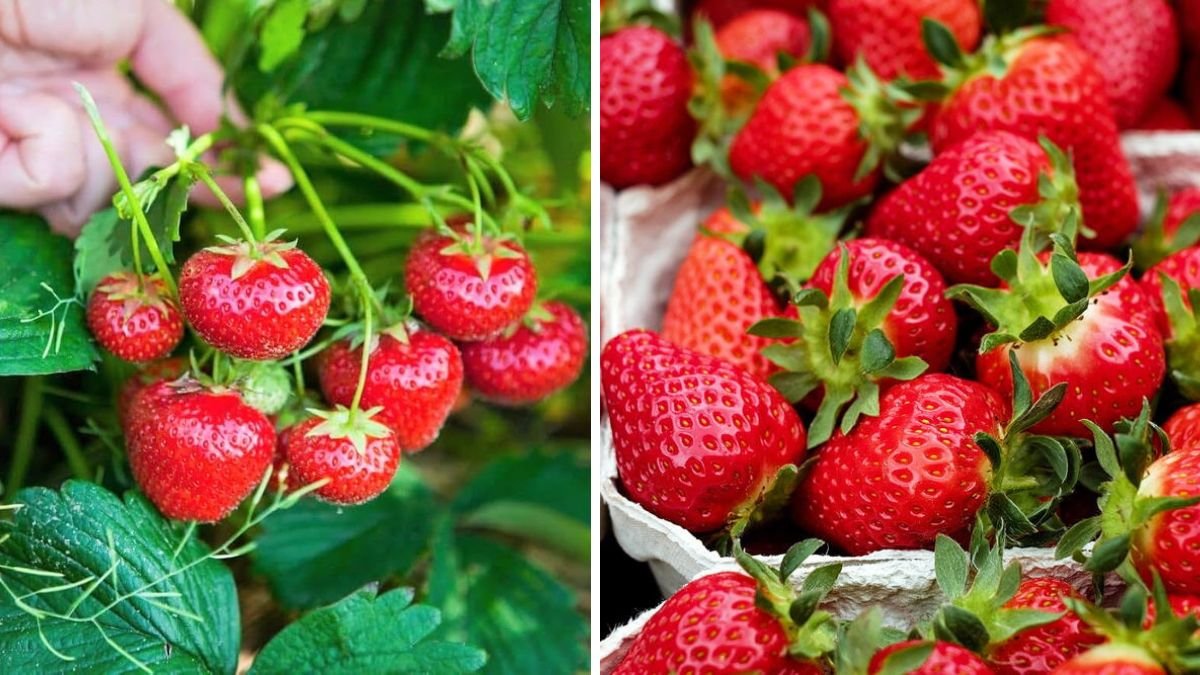
Introduction to Growing Strawberries from Seeds
Strawberries are one of the most loved fruits for home gardeners. Growing strawberries from seeds is affordable and rewarding. Beginners often prefer seeds because they offer variety and flexibility. Strawberry plants adapt well to containers and garden beds. With proper selection, seeds germinate easily. Homegrown strawberries are fresh and chemical free. This guide focuses on beginner-friendly strawberry seeds. Easy varieties ensure confidence and success.
Why Beginners Should Choose the Right Strawberry Seeds
Not all strawberry seeds are beginner friendly. Some varieties require complex care and climate control. Beginner seeds germinate faster and tolerate mistakes. Easy varieties grow well in pots and small spaces. They adapt to different soil conditions. Selecting the right seed reduces frustration. It improves yield and plant health. Correct choice ensures enjoyable gardening.
Types of Strawberry Plants Explained
Strawberries are mainly June-bearing, everbearing, and day-neutral types. June-bearing varieties produce one large harvest. Everbearing varieties fruit twice a year. Day-neutral strawberries fruit continuously. Beginners often succeed with day-neutral types. These plants handle temperature changes better. Understanding types helps seed selection. Each type suits different goals.
Alpine Strawberries for Beginners
Alpine strawberries are ideal for beginners. They grow easily from seeds. Fruits are small but very flavorful. Plants do not need runners to spread. Alpine strawberries thrive in containers. They tolerate partial shade. Germination is reliable with fresh seeds. Maintenance is minimal and simple.
Day-Neutral Strawberry Seeds
Day-neutral strawberry seeds are beginner friendly. They produce fruit throughout the season. Plants adapt to varying daylight conditions. They grow well in pots and raised beds. Fruits are medium sized and sweet. Consistent watering improves results. These varieties forgive minor care mistakes. Ideal for first-time growers.
Heirloom Strawberry Seed Varieties
Heirloom strawberry seeds are open-pollinated. They retain original plant traits. These seeds are naturally strong. Heirloom varieties adapt well to local conditions. They often have better flavor. Beginners benefit from their resilience. Germination rates are generally good. Natural growth reduces chemical need.
Climate Considerations for Strawberry Seeds
Strawberries grow best in mild climates. They prefer cool nights and warm days. Some varieties tolerate heat better. Beginners should match seeds to local climate. Avoid seeds requiring extreme cold or heat. Local seed suppliers help selection. Climate awareness improves success. Correct climate choice boosts yield.
Soil Requirements for Strawberry Seed Germination
Light, well-drained soil is essential. A mix of compost and coco peat works well. Heavy soil reduces germination. Slightly acidic soil is preferred. Good drainage prevents fungal issues. Sterile soil reduces disease risk. Soil quality affects early growth. Proper soil ensures healthy seedlings.
Sowing Strawberry Seeds Properly
Strawberry seeds are very small. They should not be buried deeply. Sprinkle seeds on moist soil surface. Press gently without covering heavily. Mist water gently. Cover with transparent lid initially. Warm temperature encourages germination. Patience is required during sprouting.
Germination Timeline for Beginners
Strawberry seeds germinate slowly. Sprouting may take two to four weeks. Consistent moisture is important. Avoid drying soil completely. Warm indoor conditions speed up germination. Light exposure helps sprouting. Some seeds take longer naturally. Regular monitoring is helpful.
Sunlight Needs After Germination
Seedlings require bright indirect sunlight. Direct harsh sun may burn leaves. Gradually introduce full sunlight. Morning sun is ideal. Adequate light prevents weak growth. Indoor seedlings benefit from windows. Balanced exposure strengthens plants. Proper lighting improves health.
Watering Young Strawberry Plants
Young plants need gentle watering. Soil should remain slightly moist. Overwatering causes root rot. Underwatering stresses seedlings. Use spray bottles initially. Bottom watering works well. Observe leaf condition. Balanced watering promotes steady growth.
Fertilizing Beginner Strawberry Plants
Use diluted organic fertilizer. Compost tea is ideal. Avoid strong fertilizers early. Feed lightly every two weeks. Nitrogen promotes leaf growth. Potassium improves flowering later. Organic feeding is safer. Balanced nutrition is essential.
Transplanting Strawberry Seedlings
Transplant seedlings after four to five leaves appear. Handle roots gently. Use well-drained soil. Water after transplanting. Partial shade reduces shock. Space plants properly. Proper transplanting improves survival. Growth resumes steadily.
Growing Strawberries in Containers
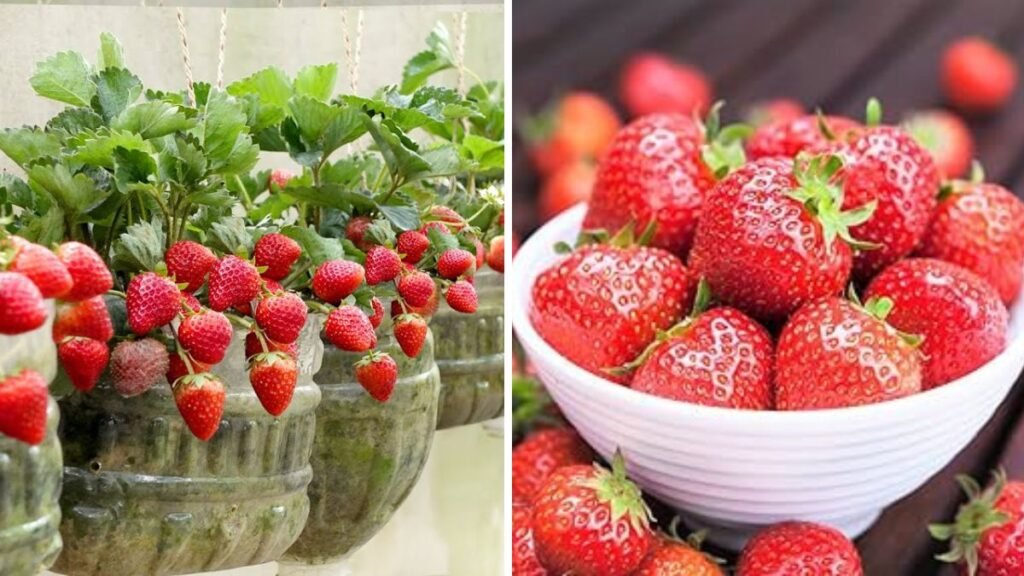
Containers are perfect for beginners. They control soil and water easily. Hanging baskets also work well. Drainage holes are essential. Container strawberries need frequent watering. Fertilize more often than ground plants. Containers reduce pest problems. Space efficiency is improved.
Common Beginner Mistakes to Avoid
Overwatering is a common mistake. Using heavy soil reduces growth. Insufficient sunlight causes weak plants. Overcrowding plants limits airflow. Skipping fertilization slows growth. Impatience affects care. Learning gradually improves success. Mistakes are part of learning.
Table: Best Strawberry Seeds for Beginners
| Variety | Growth Type | Difficulty | Best For |
|---|---|---|---|
| Alpine strawberry | Day-neutral | Very easy | Pots and beginners |
| Day-neutral hybrid | Continuous fruiting | Easy | Year-round harvest |
| Heirloom strawberry | Open-pollinated | Easy | Natural growing |
| Everbearing variety | Two harvests | Moderate | Home gardens |
Benefits of Growing Strawberries from Seeds
Seeds offer more variety choices. They are cost effective. Growing from seed teaches patience. Plants develop strong root systems. Seeds adapt to local conditions. Chemical exposure is reduced. Gardening becomes educational. Harvest satisfaction is higher.
Long-Term Care for Strawberry Plants
Remove old leaves regularly. Feed plants consistently. Replace soil yearly for containers. Watch for pests. Mulch to retain moisture. Protect from extreme heat. Proper care increases yield. Healthy plants produce longer.
Conclusion
Choosing the best strawberry seeds makes gardening enjoyable. Beginner-friendly varieties grow easily and fruit reliably. With proper soil, water, and sunlight, success is guaranteed. Strawberries reward patience with sweet harvests. Even small spaces can grow them. Start with easy seeds. Enjoy fresh strawberries at home.