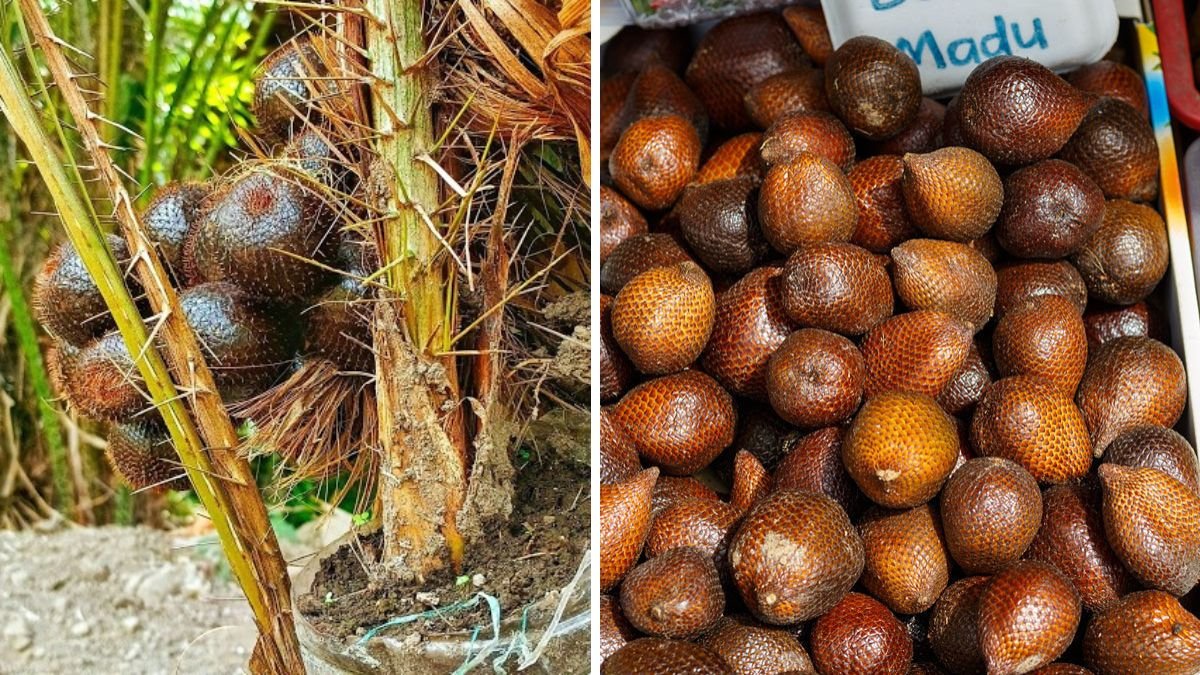
1. Introduction to Salak Growth Time-Lapse
Snake fruit growth is fascinating to observe. A time-lapse reveals slow but steady changes. From flower emergence to ripe fruit, the process takes months. Each stage has unique characteristics. Understanding these stages improves cultivation success. This article explains the full growth cycle. It helps gardeners identify progress. Time-lapse learning enhances patience and care.
2. Salak Flower Formation
Salak flowers emerge near the base of the plant. They are small and clustered. Flowering indicates maturity. Flowers develop slowly. Proper nutrition supports this stage. Humidity encourages healthy blooms. Observing flower emergence is exciting. This stage sets the foundation for fruiting.
3. Male and Female Flower Differences
Salak plants can be male or female. Male flowers produce pollen. Female flowers develop fruit after pollination. Identifying flower type is important. Without female flowers, fruiting will not occur. Some varieties are self-fertile. Understanding flower types improves yield. Knowledge prevents disappointment.
4. Pollination Process Explained
Pollination occurs naturally through insects. In home gardens, hand pollination may be necessary. Pollen transfer enables fruit set. Without pollination, flowers drop. Gentle handling improves success. Timing is critical. Pollination marks the transition to fruit growth. This stage is crucial.
5. Early Fruit Formation
After pollination, small fruits appear. They are green and firm. Growth is slow initially. Water and nutrients support development. Stress can cause fruit drop. Early care ensures survival. This stage requires consistent attention. Fruit formation signals success.
6. One-Month Growth Observation
During the first month, fruits increase slightly in size. Skin texture begins forming. Growth remains gradual. Environmental stability is important. Changes are subtle. Time-lapse captures small progress. Patience is necessary. Early growth builds fruit structure.
7. Skin Development Stage
The characteristic scaly skin begins forming. Color remains greenish-brown. Texture becomes rough. Skin protects the fruit. This stage defines snake fruit appearance. Proper moisture supports skin health. Development is steady. Skin formation is visually distinctive.
8. Two-Month Growth Stage
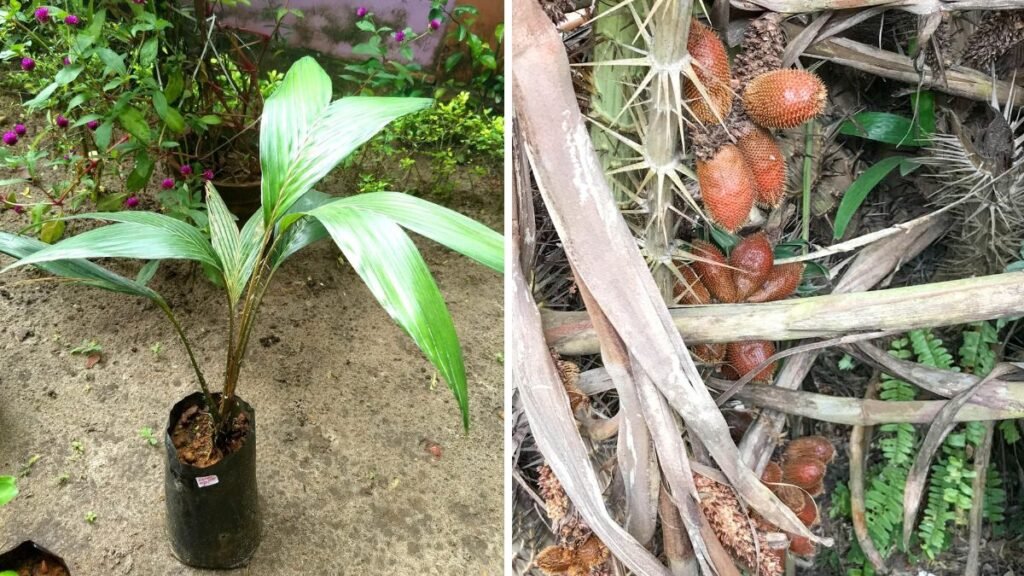
By two months, fruits are noticeably larger. Weight increases gradually. Skin color deepens. Flesh develops internally. Nutrient demand increases. Balanced feeding supports growth. Time-lapse shows clear progress. This stage builds fruit mass.
9. Internal Flesh Development
While skin grows, flesh develops inside. Sugars accumulate slowly. Flavor begins forming. Water supply affects sweetness. Consistent care improves taste. Internal changes are invisible but important. This stage determines fruit quality. Patience enhances results.
10. Three-Month Growth Milestone
At three months, fruits near maturity. Size stabilizes. Color darkens further. Aroma becomes noticeable. Fruits feel firm. Care continues without stress. This stage prepares for ripening. Time-lapse reveals major transformation.
11. Color Change and Ripening
Ripening begins with color change. Skin turns reddish-brown. Texture becomes firm. Aroma intensifies. Sugar content increases. Ripening speed depends on climate. Proper timing ensures best flavor. Color signals readiness.
12. Final Weeks Before Harvest
In final weeks, fruits reach full flavor. Watering is maintained. Avoid heavy feeding. Fruits become heavier. Skin scales are prominent. Time-lapse highlights final changes. This stage requires observation. Harvest timing is critical.
13. Harvest Indicators
Ripe fruits detach easily. Color is rich and uniform. Aroma is strong. Flesh feels firm. Taste is sweet. Harvesting too early reduces flavor. Proper indicators ensure quality. Observation improves success.
14. Time-Lapse Benefits for Gardeners
Time-lapse helps track progress. It teaches patience. Small changes become visible. Growth patterns are easier to understand. Problems are detected early. Learning improves care decisions. Visual records enhance knowledge.
15. Environmental Influence on Growth Speed
Temperature affects development time. Warm climates speed growth. Cooler conditions slow it. Humidity affects skin quality. Light influences energy production. Stable environment produces better fruit. Time-lapse shows environmental impact.
16. Indoor vs Outdoor Growth Comparison
Outdoor plants grow faster in tropical climates. Indoor plants grow slower but safer. Indoor growth allows control. Outdoor exposure improves size. Time-lapse comparison highlights differences. Both methods can succeed. Choice depends on climate.
17. Common Issues During Fruit Development
Fruit drop may occur due to stress. Poor pollination reduces yield. Nutrient imbalance affects size. Pests may damage fruits. Monitoring prevents loss. Early correction saves harvest. Awareness improves outcomes.
18. Importance of Patience in Salak Growing
Salak fruit takes time. Rushing care causes problems. Patience ensures quality. Time-lapse teaches waiting. Slow growth produces better flavor. Understanding timelines reduces frustration. Patience is key.
19. Learning from Full Growth Cycle
Observing the full cycle builds experience. Knowledge improves future harvests. Each season teaches lessons. Time-lapse documentation is valuable. Learning continues with each plant. Experience builds confidence.
20. Conclusion
Snake fruit growth from flower to ripe fruit is slow but rewarding. Time-lapse reveals fascinating changes. Each stage requires care and patience. Understanding growth stages improves success. With proper conditions, salak thrives. Home cultivation is achievable. Observing growth enhances appreciation. Snake fruit is truly unique.
📊 Snake Fruit Growth Timeline Table
| Stage | Duration | Observation |
|---|---|---|
| Flowering | Several weeks | Small clustered blooms |
| Fruit formation | One to two months | Green developing fruits |
| Ripening | Three to four months | Color and aroma change |
| Harvest | Final stage | Sweet ripe fruit |