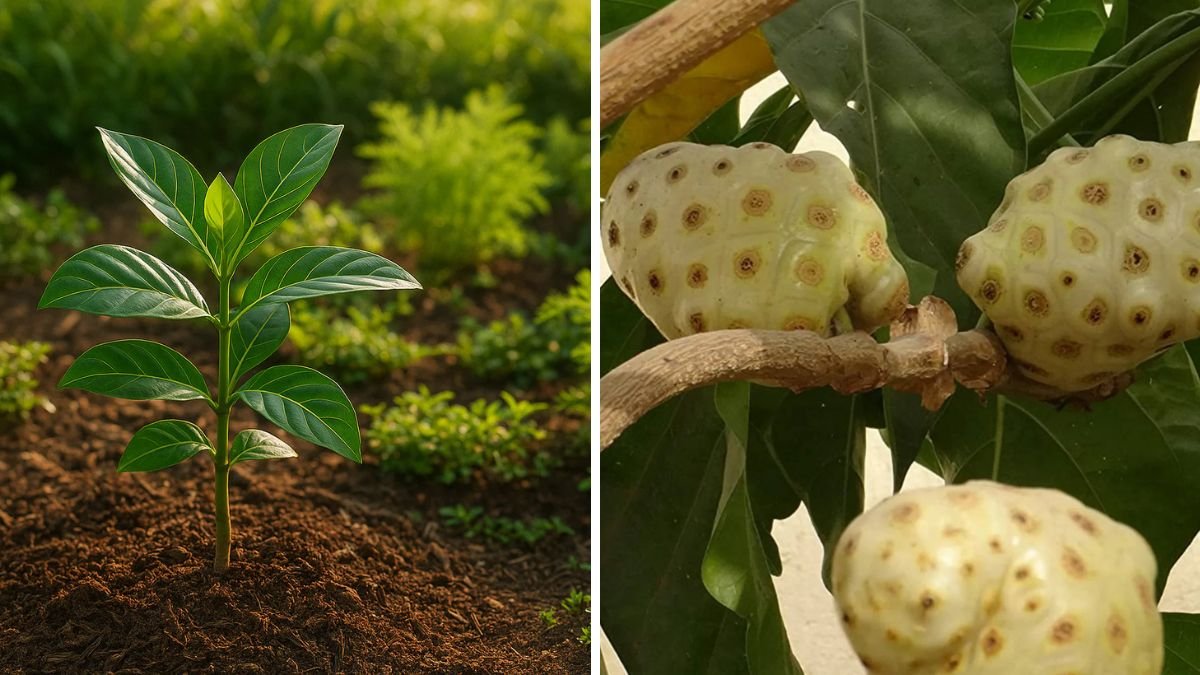
Introduction to Noni Fruit Plant
Noni (Morinda citrifolia) is a tropical fruit tree with many health benefits. Known for its medicinal properties, it has been used traditionally for centuries. Growing noni from seed is a cost-effective way to cultivate your own tree at home. This plant is hardy and grows well in tropical and subtropical climates. Homegrown noni ensures chemical-free fruits. Beginners can start with seeds and observe the full life cycle. Patience is required as noni grows gradually. With proper care, it can produce fruit within two to three years.
Understanding Noni Seeds
Noni seeds are small, hard, and contained inside the fruit pulp. Selecting healthy, mature fruits ensures viable seeds. Seeds from overripe or damaged fruits may fail to germinate. Clean seeds properly before planting to remove all pulp. Healthy seeds appear firm and slightly shiny. Understanding seed characteristics improves germination success. Seed preparation is the first step for a strong start. Proper seed handling boosts overall plant growth.
Selecting the Right Fruit for Seeds
Choose ripe noni fruits that are free from disease or insect damage. Fruits should be slightly soft, indicating maturity. Avoid seeds from green or underripe fruits. Fresh fruits provide higher germination rates. Cleaning and drying seeds slightly improves viability. Selecting quality fruits ensures healthy seedlings. Seed origin affects future tree health. Quality seeds are critical for success.
Preparing Noni Seeds for Planting
Extract seeds carefully from the fruit pulp. Wash thoroughly to remove sticky residue. Dry seeds in the shade for one to two hours. Avoid direct sunlight as it may damage seeds. Some gardeners soak seeds in water for a few hours to improve germination. This helps soften the seed coat. Proper preparation shortens germination time. Healthy seeds respond quickly to planting.
Choosing the Right Soil Mix
Noni seedlings require well-draining soil for healthy growth. A mix of garden soil, sand, and compost is ideal. Soil should be slightly acidic to neutral. Avoid heavy clay soil that retains water. Fertile soil supports rapid root and shoot development. Organic matter enhances soil fertility. Good soil preparation ensures faster germination. Proper soil improves seedling survival rates.
Planting Noni Seeds in Containers
Use shallow containers with drainage holes for initial planting. Plant seeds about half an inch deep. Cover lightly with soil and water gently. Keep containers in a warm, shaded area initially. Avoid pressing soil too firmly over seeds. Containers allow easy monitoring of moisture levels. Proper planting orientation ensures strong seedling growth. Container planting is beginner-friendly.
Germination Timeline and Care
Noni seeds typically germinate within two to four weeks. Root emergence happens first, followed by shoots. Maintain consistent moisture without waterlogging. Warmth accelerates germination. Monitor seedlings daily for any fungal issues. Avoid direct sunlight during early stages. Patience is important. Visible sprouting indicates successful germination.
Sunlight Requirements for Seedlings
Young noni seedlings prefer partial sunlight. Indirect morning sunlight encourages healthy leaf growth. Avoid harsh afternoon sunlight that may burn delicate leaves. Gradually increase exposure as seedlings strengthen. Indoors, place seedlings near bright windows. Proper light supports photosynthesis and root development. Balanced light prevents weak growth. Seedlings adapt better to gradual sunlight.
Watering Young Noni Plants
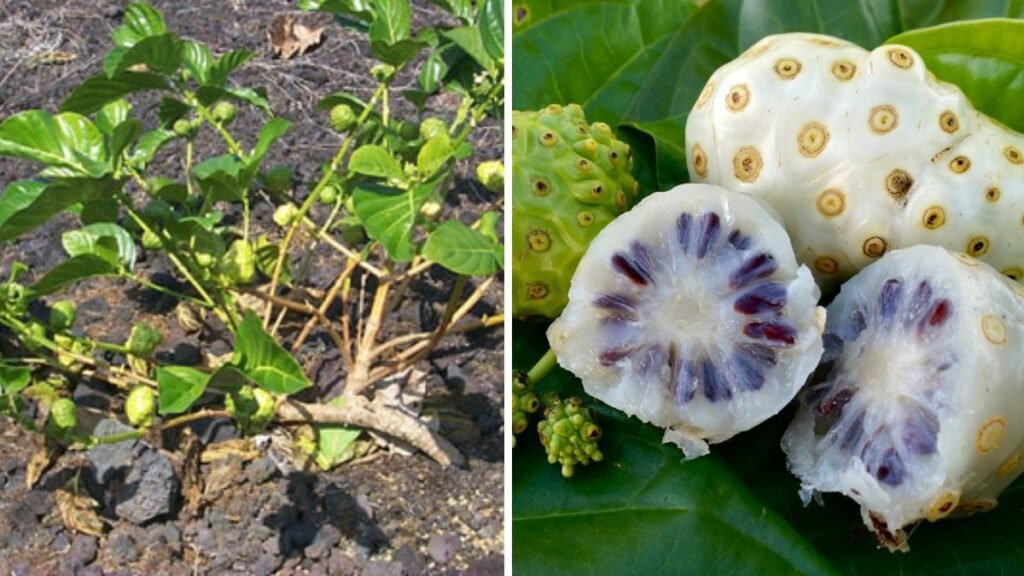
Seedlings need consistently moist soil but not waterlogged. Use gentle watering methods to avoid disturbing roots. Reduce watering slightly during cooler periods. Observe leaves for wilting or yellowing, indicating water imbalance. Consistent watering promotes strong root systems. Proper hydration supports early growth. Moisture management prevents fungal diseases. Gradual care builds healthy plants.
Fertilizing Seedlings
Young noni seedlings require minimal fertilization initially. Use diluted organic compost or vermicompost every few weeks. Avoid chemical fertilizers that may harm delicate roots. Gradually increase feeding as plants grow. Nitrogen-rich compost supports foliage growth. Balanced feeding encourages healthy shoots. Fertilizer timing is crucial. Organic nutrition ensures long-term plant health.
Transplanting Seedlings to Bigger Pots
Once seedlings have several true leaves, transplant to larger pots. Choose containers at least ten to fifteen inches deep. Use fresh soil mix to ensure fertility. Handle roots carefully to avoid damage. Water thoroughly after transplanting. Mulch around the base to retain moisture. Position in partial sunlight initially. Proper transplanting prevents shock and supports growth.
Managing Pests and Diseases
Noni seedlings are relatively hardy. Common pests include aphids, mealybugs, and caterpillars. Organic solutions like neem oil work effectively. Fungal issues may appear in overly wet conditions. Remove affected leaves promptly. Maintain airflow around plants. Healthy seedlings resist most pests. Early observation ensures success.
Pruning and Shaping Young Plants
Prune weak or damaged shoots to promote strong structure. Maintain a single main stem for container growth. Light pruning encourages branching and dense foliage. Avoid heavy pruning in early stages. Proper shaping supports fruiting in the future. Remove crossed branches to prevent crowding. Pruning improves sunlight exposure. Balanced pruning ensures plant health.
Flowering and Fruiting Timeline
Noni trees grown from seed take about two to three years to flower. Flowers are small, white, and fragrant. Fruit develops gradually after flowering. Consistent care and proper nutrition support fruit set. Stress-free plants produce better yields. Container-grown noni may flower slightly later than ground-planted trees. Patience is required. Healthy flowers indicate future fruiting success.
Harvesting Noni Fruits
Fruits are ready when pale green to yellowish-white. They should feel soft to the touch. Pick fruits carefully to avoid damaging the tree. Fruits have a strong odor but are highly nutritious. Harvest every few days to avoid overripening. Fresh fruits can be used for juice or traditional remedies. Handle gently during collection. Proper harvesting ensures quality produce.
Long-Term Care in Containers
Repotting every two to three years supports root growth. Maintain consistent watering and fertilization. Mulching reduces soil moisture loss. Monitor for pests regularly. Protect plants from extreme cold or heat. Organic feeding supports long-term growth. Pruning maintains manageable size. Consistent care ensures sustained productivity.
Table: Noni Seed Growing Guide
| Stage | Key Requirement |
|---|---|
| Seed Selection | Healthy, mature fruit seeds |
| Soil | Well-draining, slightly acidic |
| Germination Time | Two to four weeks |
| Watering | Consistently moist, not soggy |
| Sunlight | Partial sunlight for seedlings |
| Fruiting Time | Two to three years |
Health Benefits of Noni
Noni fruits are rich in antioxidants, vitamins, and minerals. They support immunity, digestion, and overall wellness. Traditionally used for inflammation and energy improvement. Homegrown noni ensures chemical-free consumption. The plant has medicinal and nutritional value. Regular consumption can support a healthy lifestyle. Freshly harvested fruits provide maximum benefits. Growing noni is both healthful and rewarding.
Conclusion
Growing noni from seed is a fulfilling process. Proper seed selection, soil preparation, and consistent care ensure success. Patience is essential as flowering and fruiting take a few years. Container cultivation allows flexibility for small spaces. Organic care improves fruit quality and plant health. Homegrown noni offers nutrition and medicinal benefits. Start your noni seed journey today.