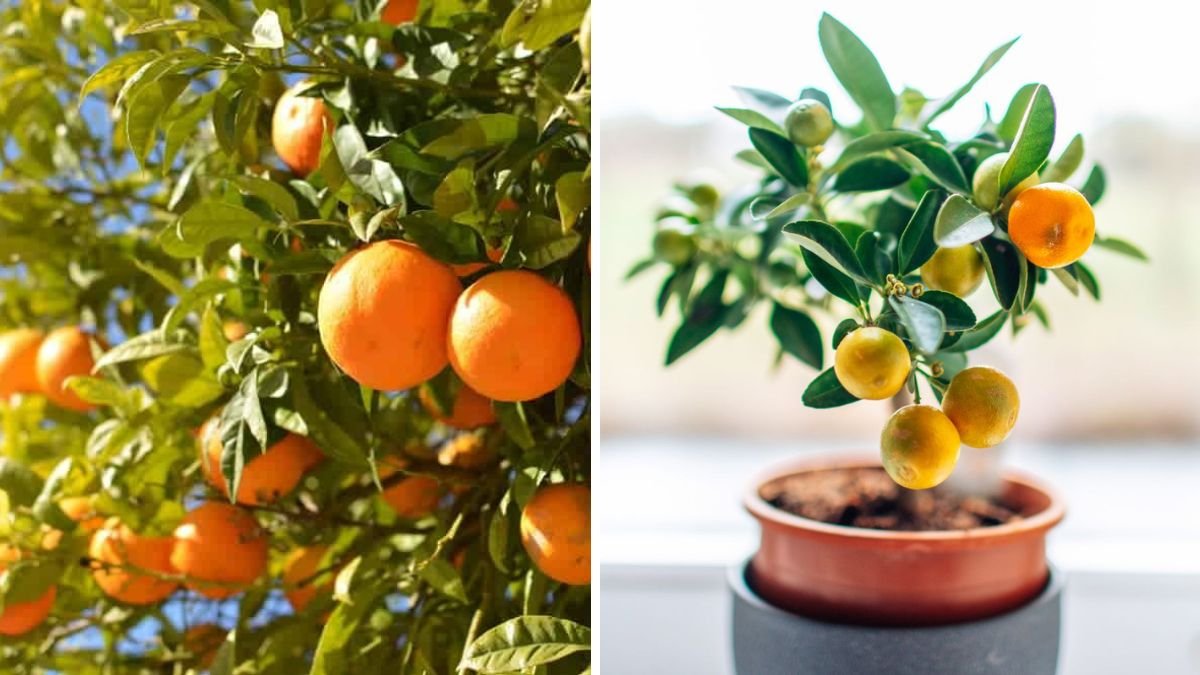
Introduction to Growing Orange Trees from Seed
Growing an orange tree from seed is a rewarding way to cultivate fresh, organic fruits at home. Seed-grown trees allow gardeners to observe the full life cycle from germination to fruiting. This method is cost-effective and educational. With proper care, orange trees from seeds can produce flavorful fruits. Container or garden planting is possible depending on space. Patience is key, as seed-grown trees take a few years to fruit. Homegrown oranges are free from chemicals and pesticides. This guide provides step-by-step instructions for beginners.
Understanding Orange Seeds
Orange seeds are small, firm, and slightly oval. Choosing healthy seeds is crucial for germination success. Fresh seeds have higher viability compared to dried seeds. Seeds from mature fruits germinate faster. Understanding seed anatomy helps in proper planting. Healthy seeds ensure strong root and shoot development. Seed quality affects long-term growth. Proper handling improves overall success.
Selecting the Right Orange Fruit for Seeds
Choose fully ripe oranges for seeds. The fruit should be free from disease, blemishes, or insect damage. Overripe fruits may have compromised seeds. Avoid green or unripe fruits. Freshly harvested oranges provide the best germination rate. Select multiple fruits to increase chances of success. Quality seeds guarantee healthy seedlings. Seed selection is the first critical step.
Preparing Orange Seeds for Planting
Remove seeds carefully from the orange pulp. Wash seeds thoroughly to remove any residue. Dry seeds in the shade for a few hours. Avoid direct sunlight, which may damage seeds. Some gardeners soak seeds in water overnight to soften the seed coat. This improves germination speed. Healthy seeds respond quickly to planting. Preparation is essential for strong seedlings.
Choosing the Right Soil for Orange Seedlings
Use well-draining soil for orange seeds. A mix of garden soil, compost, and sand is ideal. Slightly acidic to neutral soil pH is best. Avoid heavy clay soils that retain water. Fertile soil supports strong root growth. Organic matter enhances nutrient availability. Good soil preparation ensures faster germination. Healthy soil improves seedling survival.
Planting Orange Seeds in Containers
Select small containers with drainage holes for initial planting. Plant seeds about half an inch deep. Cover lightly with soil and water gently. Keep containers in a warm, shaded area initially. Avoid compacting soil. Containers allow easy monitoring of moisture. Proper planting orientation supports strong root and shoot growth. Container planting is beginner-friendly.
Germination Timeline and Care
Orange seeds usually germinate within two to four weeks. Roots appear first, followed by shoots. Maintain consistent moisture without waterlogging. Warmth accelerates germination. Avoid direct sunlight during early stages. Patience is necessary as germination can vary. Observe daily for fungal issues. Sprouting indicates successful germination.
Sunlight Requirements for Seedlings
Young orange seedlings prefer bright indirect sunlight. Morning sunlight encourages leaf growth. Avoid harsh afternoon sun, which may burn delicate leaves. Gradually increase exposure as seedlings strengthen. Indoor seedlings should be placed near bright windows. Balanced light supports photosynthesis and root development. Proper sunlight prevents weak growth. Observation ensures adaptation.
Watering Young Orange Plants
Maintain slightly moist soil without saturation. Overwatering leads to root rot. Underwatering slows growth. Use gentle watering methods to avoid disturbing roots. Monitor soil regularly. Container plants dry faster than ground plants. Proper hydration supports early growth. Balanced watering ensures healthy seedlings.
Fertilizing Seedlings
Use diluted organic compost or vermicompost for young seedlings. Avoid chemical fertilizers at this stage. Gradually increase feeding as plants grow. Nitrogen-rich compost supports leaf growth. Balanced nutrition encourages healthy shoots. Fertilizer timing is crucial for seedlings. Organic care ensures long-term plant health. Proper nutrition boosts growth.
Transplanting Seedlings
Transplant seedlings to larger containers once they develop several true leaves. Choose pots at least twelve to fifteen inches deep. Use fresh, fertile soil to encourage root growth. Handle roots gently to prevent damage. Water thoroughly after transplanting. Mulch around the base to retain moisture. Position in bright indirect sunlight. Proper transplanting prevents shock.
Managing Pests and Diseases
Seedlings are vulnerable to aphids, mealybugs, and fungal issues. Use neem oil or mild organic insecticides if needed. Proper watering and airflow prevent fungal infections. Remove affected leaves promptly. Healthy seedlings resist pests better. Regular monitoring ensures early intervention. Organic methods are safe for young plants. Observation is key to healthy growth.
Pruning and Shaping Young Trees
Prune weak or damaged branches. Maintain a single main stem initially. Light pruning encourages branching and dense foliage. Avoid heavy pruning in early stages. Proper shaping supports future fruiting. Remove crowded branches for better sunlight penetration. Pruning improves air circulation. Balanced pruning ensures plant health.
Flowering and Fruiting Timeline
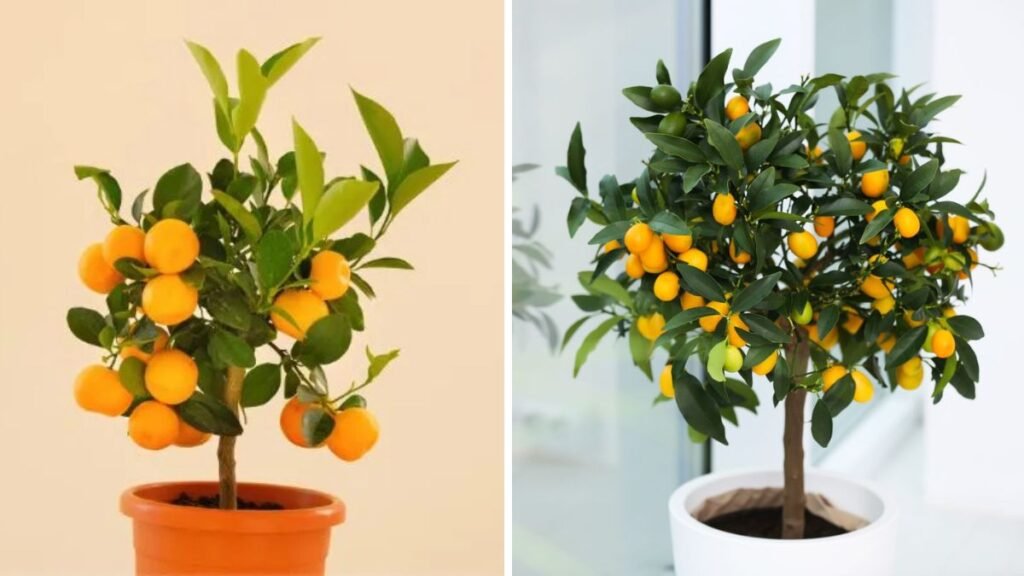
Seed-grown orange trees take approximately three to five years to flower. Flowers are small, fragrant, and white. Consistent care supports flower development. Stress-free conditions improve fruit set. Container-grown trees may take slightly longer. Patience is required. Healthy flowers indicate future fruit production. Proper nutrition and sunlight accelerate flowering.
Harvesting Oranges
Oranges are ready to harvest when fully colored and firm. Pick fruits carefully to avoid damaging branches. Regular harvesting prevents overripening. Fresh oranges are ideal for juice, smoothies, and consumption. Handle fruits gently during collection. Homegrown oranges provide better flavor than store-bought. Harvest timing affects fruit quality. Careful handling ensures optimal taste.
Long-Term Care in Containers
Repot container-grown trees every two to three years. Maintain consistent watering and fertilization. Mulch around the base to retain moisture. Monitor for pests and diseases regularly. Protect from extreme cold or heat. Prune periodically to maintain size. Organic feeding supports long-term growth. Consistent care ensures fruiting and health.
Table: Orange Tree from Seed Guide
| Aspect | Requirement |
|---|---|
| Seed Selection | Fresh, healthy orange seeds |
| Soil | Well-draining, slightly acidic |
| Germination Time | Two to four weeks |
| Watering | Keep soil moist without waterlogging |
| Sunlight | Bright indirect light for seedlings |
| Fruiting Time | Three to five years |
Benefits of Growing Orange Trees at Home
Homegrown oranges are chemical-free and fresh. Gardening enhances mental and physical health. Container cultivation suits urban spaces. Oranges provide vitamin C, antioxidants, and minerals. Growing from seed is cost-effective. Gardening teaches patience and observation. Fresh oranges improve diet quality. Cultivation ensures sustainability.
Conclusion
Growing an orange tree from seed is a rewarding experience. Proper seed selection, soil preparation, watering, and organic care ensure success. Patience is essential, as flowering and fruiting take several years. Container or garden cultivation depends on available space. Pruning, mulching, and pest management improve productivity. Homegrown oranges are flavorful and nutritious. Start your seed-grown orange tree journey today.