1. Introduction to Arbequina Olives
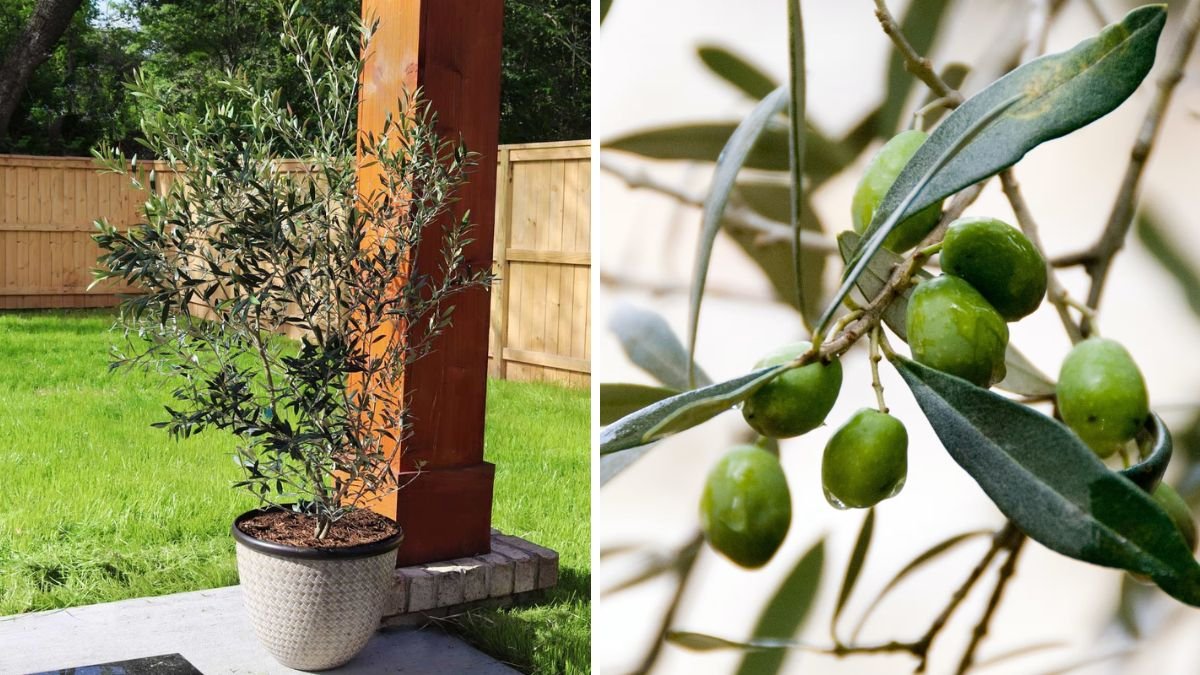
Arbequina is a compact olive variety ideal for home gardens. Originally from Spain, it is prized for small, flavorful fruits. The tree adapts to container and ground cultivation. Arbequina olives produce smooth, buttery oil. Slow growth suits urban and suburban spaces. Home gardeners value low-maintenance care. The variety is self-pollinating and prolific. This guide covers planting, care, and harvesting.
2. Botanical Background
Arbequina belongs to the Oleaceae family. It grows as a small to medium-sized tree. Leaves are slender, grayish-green, and aromatic. Fruits are small and oval. Trees are hardy and tolerant of moderate climates. Understanding botanical features aids care. Growth habits influence pruning and spacing. Knowledge ensures successful cultivation.
3. Climate Preferences
Arbequina thrives in Mediterranean-like climates. It tolerates both cold and heat moderately. Frost protection is recommended in winter. Warm summers improve fruit set. Consistent temperatures favor flowering. Urban microclimates can be suitable. Adaptability allows indoor or container growth. Climate affects flowering and oil quality.
4. Soil Requirements
Well-draining soil is essential. Sandy loam with organic matter is ideal. Slightly alkaline pH supports growth. Heavy clay should be avoided. Fertility influences fruit size. Container cultivation requires lightweight, rich soil. Soil health determines root strength. Proper preparation ensures thriving trees.
5. Selecting Planting Material
High-quality nursery saplings are recommended. Select disease-free, vigorous plants. Seed-grown trees take longer to fruit. Container-friendly varieties are ideal for small spaces. Planting material quality affects early productivity. Healthy saplings adapt quickly. Early investment pays off. Selection is crucial for home success.
6. Planting Techniques
Plant in spring or fall. Dig a hole twice the root ball size. Mix compost into the soil. Position the tree carefully. Backfill gently and water immediately. Mulch around the base. Ensure spacing for air circulation. Proper planting prevents stress and encourages growth.
7. Sunlight Requirements
Full sun is preferred. Minimum six hours daily ensures flowering. Partial shade is tolerated temporarily. Light intensity influences oil quality. Indoor placement requires bright, filtered sunlight. Sunlight promotes healthy leaf and fruit development. Orientation is key. Adequate light boosts productivity.
8. Watering Practices
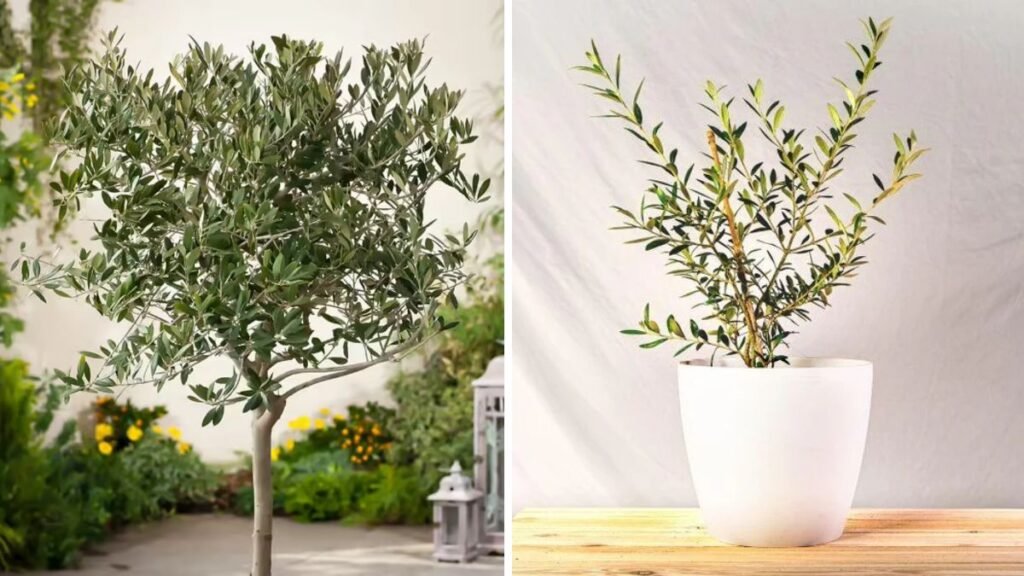
Young trees need consistent moisture. Mature trees tolerate moderate drought. Overwatering leads to root rot. Drip irrigation works best for containers. Deep watering strengthens roots. Mulching retains soil moisture. Seasonal adjustments are necessary. Balanced watering supports fruiting.
9. Fertilization
Use slow-release organic fertilizers. Nitrogen promotes foliage growth. Potassium and phosphorus encourage flowering and fruiting. Avoid over-fertilization. Feed during active growth periods. Balanced nutrition improves fruit quality. Fertility affects oil composition. Regular feeding ensures vigorous trees.
10. Pruning and Shaping
Prune lightly to shape trees. Remove dead or crossing branches. Pruning improves airflow and sunlight penetration. Avoid excessive pruning. Shape influences fruiting and harvesting ease. Annual monitoring prevents disease. Proper pruning encourages healthy growth. Pruning maintains tree balance.
11. Flowering
Flowers appear in spring. Arbequina flowers are small, white, and fragrant. Healthy flowers produce abundant fruits. Pollination is self-sufficient. Flower quality influences fruit size and oil yield. Nutritional support enhances flowering. Observation helps predict harvest. Flowering signals maturity.
12. Pollination
Arbequina is self-pollinating. Bees and wind aid but are not essential. Manual pollination is optional for high-value crops. Flower health determines fruit set. Early bloom management improves outcomes. Pollination affects fruit uniformity. Proper care ensures consistent yield. Self-pollination simplifies home cultivation.
13. Fruit Development
Fruits grow small and oval. Color changes from green to purple or black. Development takes several months. Nutrition and water influence size and flavor. Stress causes fruit drop. Clustered fruits are typical. Patience ensures peak flavor. Development stage impacts oil characteristics.
14. Pest Management
Common pests include aphids, scale, and olive fruit flies. Neem oil and organic sprays are effective. Regular inspection prevents infestations. Healthy trees tolerate minor pests. Prevention is better than cure. Monitor leaves and fruits. Pest management protects yield. Integrated care ensures healthy trees.
15. Disease Control
Fungal infections are common in wet climates. Prune to improve airflow. Avoid overhead watering. Clean tools prevent disease spread. Container trees are easier to manage. Early detection ensures success. Maintain soil health to reduce risks. Disease prevention is critical.
16. Harvesting
Harvest when fruits change color. Arbequina olives can be picked green or fully black. Handpicking prevents bruising. Frequency depends on desired oil characteristics. Early harvest gives fruity, bitter oil. Late harvest produces milder oil. Proper technique maintains tree health. Harvest timing affects flavor.
17. Post-Harvest Handling
Wash fruits after picking. Store in cool, ventilated areas. Use immediately for oil production. Avoid prolonged storage to preserve quality. Process into oil, preserves, or table olives. Proper handling maximizes shelf life. Packaging ensures marketability. Post-harvest care is essential.
18. Olive Oil Extraction
Arbequina produces smooth, buttery oil. Cold-pressing retains flavor. Oil has low bitterness and aroma. Yield depends on tree age and care. Small-scale extraction suits home growers. Oil quality is influenced by harvest timing. Traditional methods preserve taste. Extraction techniques highlight variety.
19. Culinary Uses
Arbequina oil is ideal for salads, cooking, and dipping. Mild flavor enhances versatile dishes. Pairing with herbs enriches taste. Used in Mediterranean and gourmet recipes. Fruits are edible when cured. Culinary versatility boosts demand. Oil is a healthy alternative. Home use and gifting are popular.
20. Conclusion
Growing Arbequina olives at home is rewarding and practical. Adaptable to containers or gardens, it suits small spaces. Proper care, pruning, fertilization, and watering ensure productivity. Flowering, fruit development, and harvest timing are key. Homegrown olives provide fresh fruit and oil. Culinary and health benefits are excellent. Patience and knowledge lead to successful cultivation. Arbequina is ideal for beginner and experienced gardeners alike.
📊 Table: Arbequina Olive Tree Overview
| Aspect | Requirement | Benefit |
|---|---|---|
| Climate | Mediterranean warm | Healthy growth and flowering |
| Soil | Well-draining, fertile | Strong roots and fruit quality |
| Sunlight | Full sun | Maximum fruit yield |
| Harvesting | Manual timing | High-quality oil and fruit |