Introduction to Noni Fruit Plant Care
Noni fruit plants are tropical trees with medicinal and nutritional value. Growing noni at home provides chemical-free fruits. Proper care ensures healthy growth, flowering, and fruiting. Container or garden planting is possible depending on space. Noni trees are hardy but require attention for optimal yields. This guide details planting, watering, fertilization, and pest management. Homegrown noni ensures fresh fruits year-round. Beginners can cultivate successfully with patience.
Understanding Noni Tree Characteristics
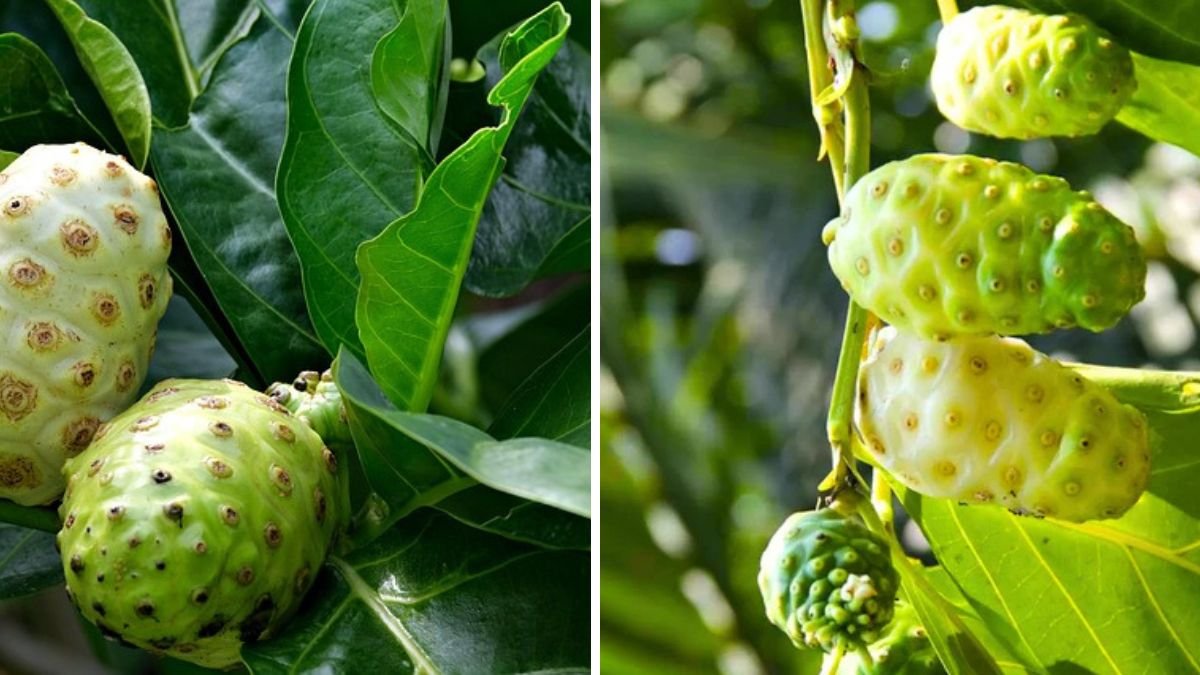
Noni is an evergreen shrub or small tree. It produces oval green fruits that ripen to pale yellow or white. Leaves are glossy and large. Trees tolerate heat, humidity, and slightly saline soils. Growth is moderate but steady. Noni adapts to containers and ground planting. Understanding plant characteristics improves care. Correct management ensures fruit quality.
Choosing the Right Planting Site
Select a location with full sun or partial shade. Avoid low-lying areas prone to waterlogging. Well-draining soil prevents root rot. Protect young plants from strong winds. Indoor or balcony cultivation requires bright light. Site selection affects growth speed and fruit yield. Proper site planning is crucial. Good exposure enhances flowering.
Soil Preparation for Noni
Noni prefers fertile, well-draining soil. A mix of garden soil, compost, and sand works best. Slightly acidic to neutral pH is ideal. Heavy clay or waterlogged soil slows growth. Organic matter improves root development. Fertile soil encourages flowering and fruiting. Soil preparation is key for container and ground plants. Healthy soil ensures strong growth.
Planting Noni Trees
Plant young saplings gently, keeping roots intact. Cover roots lightly with soil. Water immediately after planting. Mulch around the base to retain moisture. Avoid compacting the soil. Place container plants in partial sunlight initially. Proper planting establishes strong seedlings. Careful planting improves survival.
Watering Schedule
Maintain consistent moisture without waterlogging. Young plants require frequent watering. Reduce watering in rainy seasons or cooler months. Observe leaves for water stress. Container plants dry faster than ground plants. Balanced watering prevents fungal issues. Moisture management is essential. Gradual adjustment improves health.
Fertilization and Nutrient Management
Feed with organic compost or vermicompost every two to three months. Avoid excessive chemical fertilizers. Nitrogen supports foliage, potassium enhances fruiting. Reduce feeding during dormancy. Slow-release fertilizers work well. Monitor plant health for deficiency. Balanced nutrition ensures strong growth. Fertilization promotes flowering and fruiting.
Sunlight Requirements
Full sunlight encourages flowering and fruiting. Container plants may require repositioning for maximum sun. Partial shade reduces stress on young plants. Morning sunlight is ideal for leaf development. Avoid harsh afternoon sun. Adequate light improves photosynthesis. Proper exposure enhances fruit quality. Observe plant behavior.
Pruning and Shaping Noni
Prune to remove dead or weak branches. Maintain a central stem in containers. Light pruning encourages branching and dense foliage. Avoid heavy pruning during flowering. Proper shaping improves air circulation. Pruning supports fruiting. Remove crossed or crowded branches. Balanced pruning ensures long-term health.
Mulching Benefits
Apply organic mulch around the base. Mulch retains soil moisture and moderates temperature. Prevents weed growth. Enhances soil fertility. Mulch should not touch the stem directly. Regular mulching reduces watering needs. Organic matter improves microbial activity. Mulching supports strong roots.
Pest and Disease Control
Noni is relatively pest-resistant. Common pests include aphids and caterpillars. Neem oil or organic insecticides work effectively. Fungal infections may occur in wet conditions. Remove affected leaves promptly. Monitor plants regularly. Early intervention prevents damage. Healthy plants thrive with proper care.
Flowering and Fruit Development
Flowers appear small and white. Flowering may begin two to three years after planting. Proper sunlight, water, and nutrition support flower set. Stress-free conditions improve fruit development. Fruits form gradually and ripen over time. Container plants may flower slightly later. Patience is required. Healthy flowers ensure quality fruit.
Harvesting Noni Fruits
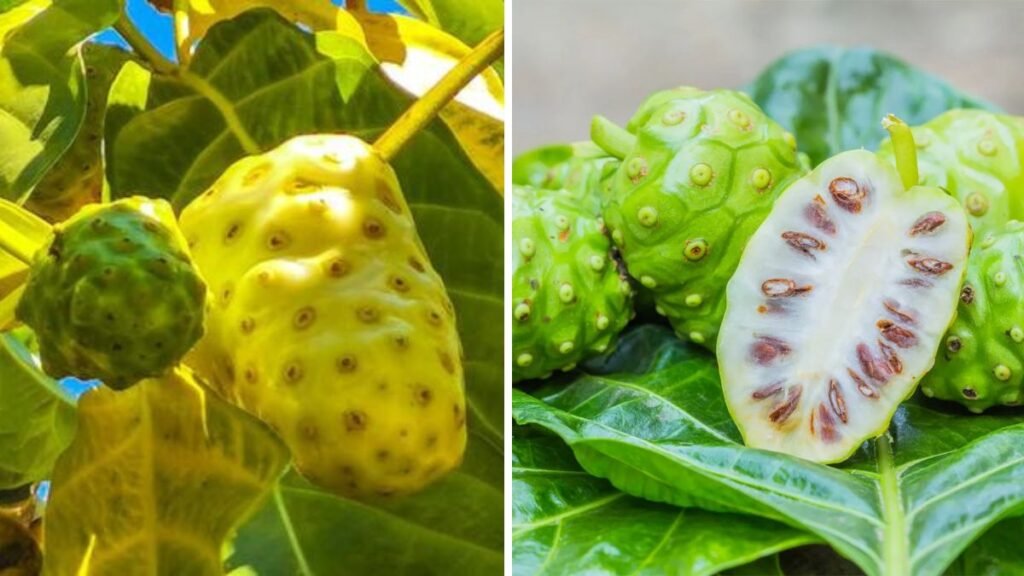
Fruits are ripe when pale yellow or white. Soft texture indicates readiness. Pick carefully to avoid damaging branches. Harvest regularly every few days. Fruits are used for juice, medicinal preparations, and smoothies. Handle gently for quality preservation. Homegrown noni offers better freshness. Proper harvesting ensures yield.
Seasonal Care Tips
Adjust watering and fertilization according to season. Protect young plants from frost or strong winds. Mulch during dry periods. Reduce feeding in winter. Provide shade during extreme heat. Observe plant response. Seasonal adjustments maintain growth. Consistency ensures fruiting success.
Table: Noni Plant Care Guide
| Aspect | Requirement |
|---|---|
| Soil | Fertile, well-draining, slightly acidic |
| Sunlight | Full sun to partial shade |
| Watering | Keep soil moist without waterlogging |
| Fertilization | Organic every two to three months |
| Fruiting Time | Two to three years |
| Pests | Aphids, caterpillars, manageable organically |
Container vs Ground Growing
Containers are suitable for small spaces or urban gardening. Ground planting suits tropical climates. Container plants require careful watering and nutrients. Ground trees grow larger and produce more fruits. Choose based on available space. Both methods succeed with proper care. Long-term maintenance differs slightly. Flexibility is a key advantage.
Benefits of Homegrown Noni
Provides chemical-free fruits. Supports health with antioxidants and vitamins. Encourages sustainable gardening. Enhances home landscape aesthetics. Reduces grocery costs. Cultivation improves gardening skills. Fruits can be used in multiple ways. Homegrown noni ensures freshness and nutrition.
Common Mistakes to Avoid
Overwatering causes root rot. Insufficient sunlight reduces flowering. Heavy chemical fertilizer damages roots. Planting in poor soil affects growth. Neglecting pests allows damage. Crowded branches reduce fruit yield. Impatience leads to improper care. Awareness prevents common errors.
Long-Term Care and Maintenance
Repot container plants when roots fill the pot. Maintain soil fertility and acidity. Prune lightly each season. Mulch regularly. Observe plant health and adjust water and sunlight. Organic feeding supports steady growth. Long-term care ensures consistent fruiting. Patience and dedication yield success.
Conclusion
Growing noni fruit plants is rewarding for health-conscious gardeners. Seed-grown or sapling plants require proper soil, sunlight, water, and organic care. Pruning, mulching, and pest management ensure high-quality fruit production. Container or ground planting depends on space and climate. Homegrown noni provides nutritious, chemical-free fruits. Patience is key, as flowering and fruiting take a few years. Start cultivating your noni plant today.