
Introduction to Growing Pomegranate at Home
Growing a pomegranate tree from seeds at home is a rewarding gardening experience. Pomegranate is a hardy fruit tree known for its health benefits and long life. Many people believe it only grows on farms, but it thrives well in home gardens. With proper care, seeds can grow into healthy trees. Homegrown pomegranates are chemical-free and fresh. The plant adapts easily to pots or soil. This guide explains the process clearly. Even beginners can succeed with patience.
Understanding the Pomegranate Tree
The pomegranate tree is a small deciduous fruit tree with glossy leaves. It prefers warm climates and plenty of sunlight. The tree can grow in containers or open ground. Pomegranate plants are drought-tolerant once established. They live for many years and bear fruit regularly. Knowing the growth nature helps in proper care. The tree develops strong roots early. Understanding this helps avoid mistakes.
Choosing the Right Pomegranate Seeds
Seed selection is the most important step for success. Always choose seeds from fresh, ripe pomegranates. Avoid using seeds from packaged juice fruits. Healthy seeds are light brown and firm. Soft or damaged seeds should be discarded. Fresh seeds germinate faster and stronger. Proper seed selection increases success rate. Starting with good seeds saves time.
Cleaning and Preparing the Seeds
After removing seeds, wash them thoroughly under clean water. Remove all pulp completely to prevent fungal growth. Dry the seeds slightly in shade for a few hours. Do not dry them under strong sunlight. Clean seeds absorb moisture better during germination. This preparation improves sprouting speed. Avoid planting sticky seeds. Clean preparation ensures healthy seedlings.
Best Soil Mix for Pomegranate Seeds
Pomegranate seeds need well-draining and fertile soil. A mixture of garden soil, sand, and compost works best. Soil should be loose and airy. Heavy soil retains water and damages roots. Organic compost improves nutrient supply. Good soil structure supports root growth. Drainage holes are necessary for pots. Healthy soil ensures strong plants.
How to Plant Pomegranate Seeds Correctly
Plant seeds about half an inch deep in soil. Cover them lightly and water gently. Do not press soil too hard. Seeds need warmth and moisture to sprout. Place the pot in a warm location. Germination usually takes two to four weeks. Avoid disturbing the soil frequently. Patience is required at this stage.
Ideal Temperature and Climate Conditions
Pomegranate seeds grow best in warm temperatures. Mild to hot climates support faster germination. Cold weather slows seed activity. Indoor planting works well in cooler regions. Maintain consistent warmth for better results. Sudden temperature changes should be avoided. Stable conditions help seedlings grow evenly. Climate plays a key role in success.
Sunlight Requirements for Young Plants
Young pomegranate plants need bright sunlight. Six to eight hours of sunlight daily is ideal. Initially, indirect sunlight is safer. Gradually expose plants to full sun. Sunlight strengthens stems and leaves. Lack of light causes weak growth. Indoor plants should be placed near windows. Proper light improves fruit potential.
Watering Schedule for Pomegranate Seedlings
Water seedlings moderately and consistently. Overwatering causes root rot. Underwatering slows growth. Check soil moisture before watering. Allow the top soil layer to dry slightly. Use clean water at room temperature. Proper watering strengthens roots. Balanced moisture ensures healthy growth.
Fertilizing Pomegranate Plants
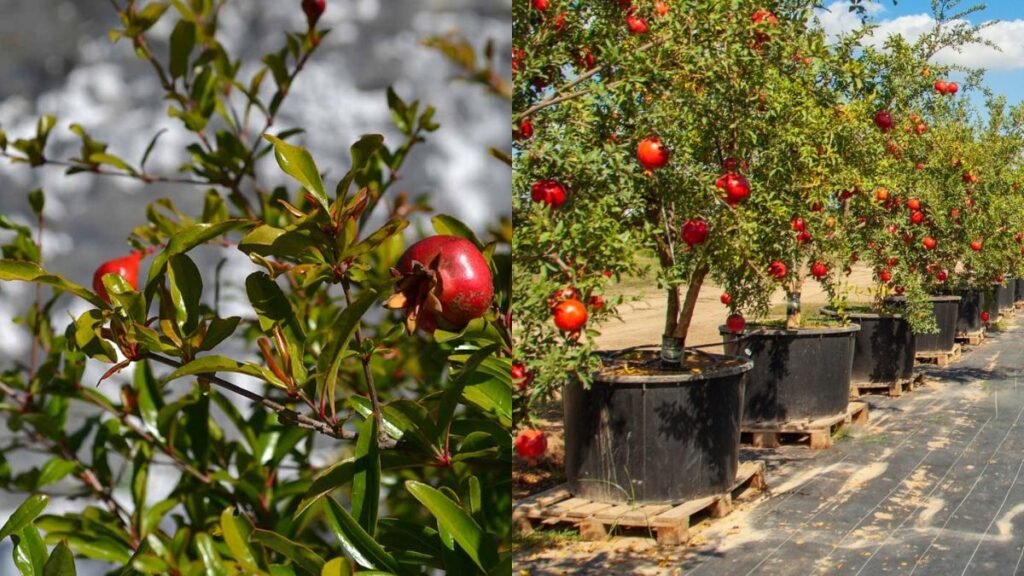
Fertilizing supports faster and healthier growth. Organic compost or vermicompost is recommended. Start feeding after one month. Apply fertilizer once every four weeks. Avoid chemical fertilizers early. Nutrients improve leaf and root development. Overfeeding damages young plants. Balanced nutrition is essential.
Choosing the Right Pot and Repotting
Use deep pots to allow root growth. Small pots restrict development. Repot plants every two to three years. Handle roots gently during repotting. Use fresh soil each time. Repotting encourages healthy growth. Larger pots support fruiting later. Proper pot selection improves longevity.
Common Problems and Their Solutions
Yellow leaves usually indicate overwatering. Slow growth may result from low sunlight. Pests like aphids may appear occasionally. Neem oil works well for pest control. Poor drainage causes fungal issues. Early identification prevents damage. Regular monitoring helps. Healthy care reduces problems.
Growth Timeline of Pomegranate Tree
Seed germination occurs within weeks. Seedlings grow leaves within one month. Strong roots develop first. Height increases gradually. Flowering may occur after two to three years. Fruiting follows proper care. Growth is steady and predictable. Understanding timeline avoids disappointment.
Can Pomegranate Trees Bear Fruit at Home
Yes, pomegranate trees grow fruit at home. Proper sunlight and nutrition are required. Container-grown trees can bear fruit. Pollination usually occurs naturally. Pruning improves fruit production. Homegrown fruits are smaller initially. Yield improves with age. Patience brings results.
Indoor vs Outdoor Growing
Indoor growing offers control over conditions. Outdoor growing results in faster growth. Indoor plants need more sunlight access. Outdoor plants require space. Choose based on climate and space. Both methods are effective. Adjust care accordingly. Planning ensures success.
Seasonal Care Tips
Increase watering during summer. Reduce watering in winter. Protect plants from frost. Prune during dormant season. Seasonal care prevents stress. Adjust fertilizer timing accordingly. Observing seasons improves growth. Simple changes make big difference.
Table: Pomegranate Seed Growing Requirements
| Aspect | Requirement |
|---|---|
| Sunlight | Full sunlight |
| Soil | Well-draining fertile soil |
| Water | Moderate watering |
| Climate | Warm and dry |
| Fertilizer | Organic compost |
Benefits of Growing Pomegranate at Home
Homegrown pomegranates are chemical-free. Gardening improves mental health. Trees enhance home beauty. Pomegranates are rich in nutrients. Growing fruits saves money. It promotes sustainable living. Gardening builds patience. Rewards are long-term.
Long-Term Care of Pomegranate Trees
Prune regularly to shape tree. Remove dead branches. Maintain soil fertility. Monitor pests seasonally. Provide support if needed. Long-term care improves yield. Healthy trees live longer. Consistency is key.
Conclusion
Growing pomegranate trees from seeds at home is easy and rewarding. With correct soil, sunlight, and care, success is achievable. Beginners can follow this guide confidently. Patience is essential for fruiting. Home gardening brings satisfaction. Start planting today. Nature rewards dedication.