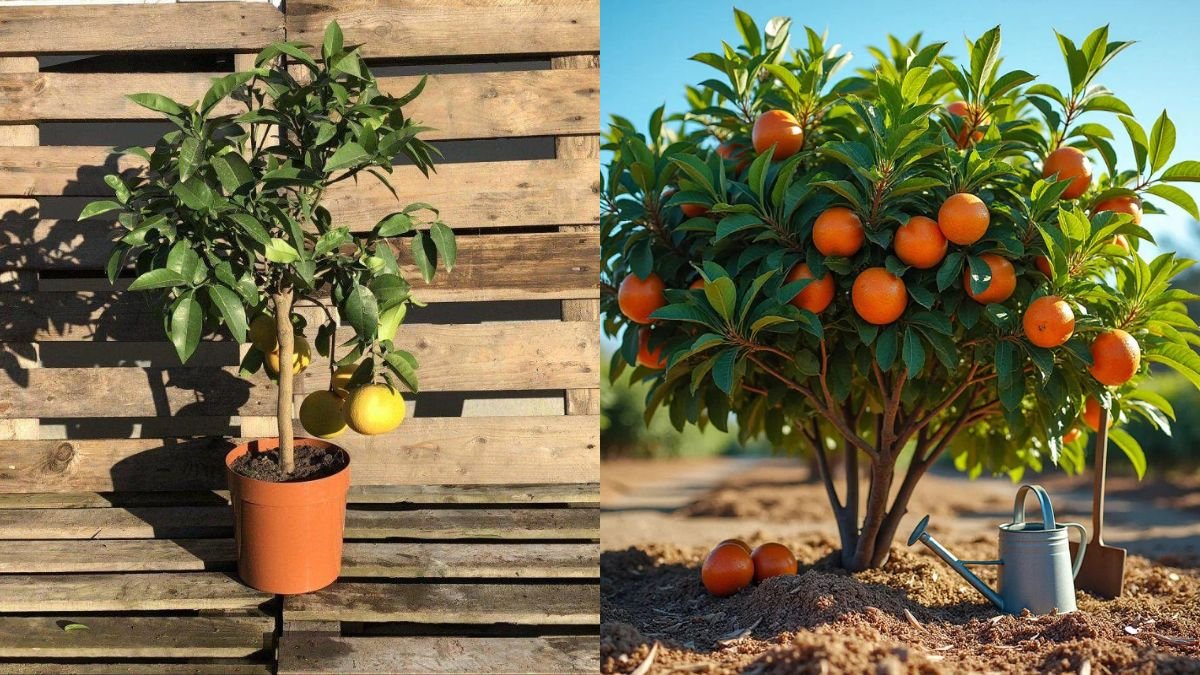
1. Introduction to Grapefruit Farming
Grapefruit is a nutritious citrus fruit valued for its refreshing taste and health benefits. Many home gardeners believe grapefruit trees are difficult to grow, but they are surprisingly manageable with proper care. Growing grapefruit from seed at home allows gardeners to enjoy fresh, chemical-free fruit. Grapefruit trees also add beauty to gardens with glossy leaves and fragrant flowers. Although seed-grown trees take time to fruit, the process is rewarding. Understanding basic farming principles ensures success. With patience and consistency, anyone can grow a healthy grapefruit tree. Home grapefruit farming is both practical and satisfying.
2. Understanding Grapefruit Plant Characteristics
Grapefruit trees are evergreen citrus plants that grow moderately large. They develop deep root systems and strong trunks over time. Leaves are thick, dark green, and aromatic. Flowers are white and highly fragrant. Fruits are large, round, and juicy with slightly bitter notes. Grapefruit trees thrive in warm climates. They require space and sunlight for proper growth. Understanding plant behavior helps manage care effectively.
3. Benefits of Growing Grapefruit at Home
Home-grown grapefruit is fresher and healthier than store-bought fruit. Gardeners control fertilizers and pest management. Growing your own fruit reduces grocery expenses. Grapefruit trees improve garden aesthetics. The fruit is rich in vitamins and antioxidants. Gardening promotes physical and mental well-being. Home farming encourages sustainability. The satisfaction of harvesting home fruit is unmatched.
4. Choosing the Right Grapefruit Variety
There are several grapefruit varieties such as Ruby Red, Marsh, and White Grapefruit. Ruby Red is popular for its sweetness and color. Marsh grapefruit is seedless and mild. Choose varieties suitable for your climate. Local nursery recommendations help selection. Disease resistance is important. Fruit size and flavor preferences matter. The right variety ensures long-term success.
5. Selecting Healthy Grapefruit Seeds
Use fresh seeds from ripe grapefruit. Avoid dried or damaged seeds. Clean seeds thoroughly to remove pulp. Healthy seeds improve germination rates. Fresh seeds sprout faster than stored seeds. Avoid seeds from diseased fruits. Seed quality affects plant strength. Proper seed selection is the foundation of success.
6. Preparing Seeds for Planting
Soak grapefruit seeds in water for twenty-four hours before planting. This softens the seed coat. Remove floating seeds as they may be non-viable. Dry seeds slightly before sowing. Some gardeners peel seed coats carefully for faster germination. Handle seeds gently to avoid damage. Preparation improves sprouting speed. Proper preparation increases success rate.
7. Best Time to Plant Grapefruit Seeds
Warm seasons are ideal for planting grapefruit seeds. Spring and early summer provide suitable temperatures. Avoid planting during cold months. Warm soil promotes faster germination. Consistent temperature prevents seed rot. Seasonal timing improves early growth. Planting at the right time reduces stress. Climate awareness is essential.
8. Soil Preparation for Grapefruit Farming
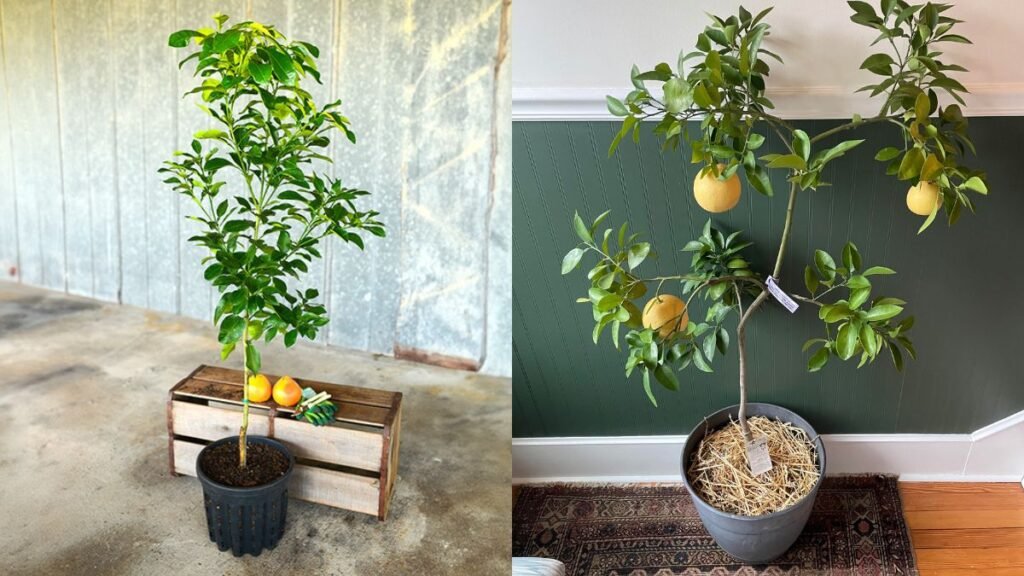
Grapefruit trees prefer well-draining soil. Sandy loam soil mixed with compost works best. Heavy clay soil should be avoided. Soil must retain moisture without waterlogging. Organic matter improves nutrient content. Slightly acidic soil supports citrus growth. Proper soil preparation supports strong roots. Healthy soil ensures long-term productivity.
9. Planting Grapefruit Seeds Correctly
Plant seeds about one inch deep in soil. Place seeds horizontally for better sprouting. Cover lightly with soil. Water gently after planting. Avoid overwatering during germination. Keep soil moist but not soggy. Seeds usually sprout within two to four weeks. Correct planting improves germination.
10. Container vs Ground Growing
Grapefruit can be grown in large containers or directly in ground. Containers suit terraces and balconies. Ground planting allows full root expansion. Containers need proper drainage holes. Ground planting requires sufficient spacing. Choose method based on space availability. Both methods are effective with care. Proper planning ensures healthy growth.
11. Watering Schedule for Young Plants
Young grapefruit plants need consistent watering. Soil should remain evenly moist. Avoid waterlogging as it causes root rot. Water deeply but infrequently. Morning watering is recommended. Adjust watering based on climate. Mulching helps retain moisture. Balanced watering promotes healthy growth.
12. Sunlight Requirement
Grapefruit trees need full sunlight for optimal growth. Six to eight hours of direct sunlight is ideal. Insufficient light reduces growth and fruiting. Place containers in sunny locations. Rotate pots for even exposure. Sunlight improves leaf color and strength. Proper lighting supports flowering. Sun exposure is critical.
13. Fertilization for Healthy Growth
Use organic compost during early growth. Citrus-specific fertilizers support development. Nitrogen promotes leaf growth. Phosphorus strengthens roots. Potassium supports flowering and fruiting. Avoid over-fertilizing young plants. Feed lightly and regularly. Balanced nutrition ensures vigor.
14. Germination and Early Growth Timeline
Seeds germinate within two to four weeks. Initial growth is slow. Leaves develop gradually. Roots establish before visible growth. Patience is necessary. Proper care speeds development. Early growth determines future strength. Consistency improves outcomes.
15. Pruning and Training the Tree
Pruning shapes the grapefruit tree. Remove weak or damaged branches. Encourage a strong central leader. Pruning improves airflow and sunlight. Proper training supports future fruit weight. Avoid heavy pruning early. Gentle shaping improves structure. Long-term productivity depends on pruning.
16. Pest and Disease Management
Common citrus pests include aphids and mites. Neem oil helps control pests organically. Good airflow reduces disease risk. Avoid wet foliage at night. Inspect plants regularly. Early detection prevents damage. Healthy plants resist pests better. Preventive care is key.
17. Flowering and Pollination
Grapefruit trees produce fragrant white flowers. Flowering occurs after maturity. Pollination improves fruit set. Outdoor plants rely on insects. Indoor plants may need hand pollination. Healthy nutrition supports flowering. Flower drop may occur due to stress. Proper care improves success.
18. Fruit Development and Maturity
Fruits take several months to mature. Size and sweetness improve gradually. Consistent watering is essential. Nutrients support fruit growth. Avoid stress during fruiting. Mature fruits change color slightly. Harvest timing affects flavor. Patience is rewarded.
19. Expected Yield from Seed-Grown Trees
Seed-grown grapefruit trees take five to seven years to fruit. Yield increases with age. Mature trees produce many fruits annually. Proper care improves yield. Fruit quality is excellent. Long-term care matters. Patience leads to abundance.
20. Conclusion – Home Grapefruit Farming Success
Growing grapefruit from seed at home requires patience and care. Proper soil, sunlight, and watering ensure success. Seed-grown trees grow strong and resilient. Home farming provides fresh, healthy fruit. Gardening skills improve over time. Grapefruit trees add beauty and value. Long-term rewards are significant. Start today for future harvests.
📊 Table: Grapefruit Farming Overview
| Growth Stage | Key Requirement | Approximate Duration |
|---|---|---|
| Germination | Warm moist soil | Two to four weeks |
| Vegetative growth | Sunlight and nutrients | First two years |
| Flowering | Mature tree | Four to five years |
| Fruiting | Full maturity | Five to seven years |