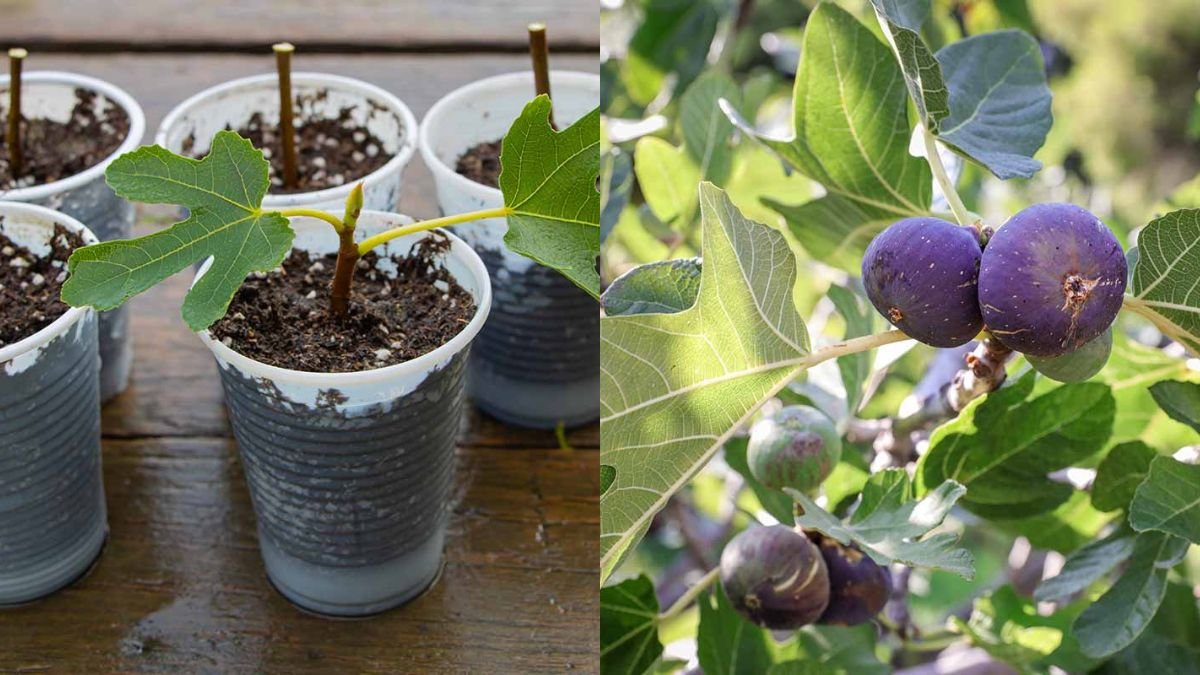
1. Introduction to Fig Cutting Propagation
Propagating fig trees from cuttings is an easy and cost-effective method. It allows gardeners to multiply their trees quickly. Cuttings maintain the fruit quality of the parent plant. Beginners can achieve high success rates with simple steps. Home gardeners prefer this method because it is fast and reliable. Fig trees rooted from cuttings grow vigorously. They require minimal maintenance initially. Step-by-step guidance ensures healthy establishment.
2. Understanding Fig Tree Cuttings
Cuttings are segments of a mature plant used to grow new plants. Semi-hardwood cuttings are ideal. They already contain nutrients for initial growth. Nodes on cuttings develop roots efficiently. Selecting the right cutting improves survival. Cuttings grow faster than seeds. Proper handling increases success. Understanding cuttings is key to propagation.
3. Selecting Healthy Parent Plants
Choose disease-free, vigorous trees. Avoid stressed or weak plants. Look for mature branches with multiple nodes. Healthy parent plants provide strong cuttings. Fruit-bearing trees ensure quality. Robust parent plants increase rooting success. Proper selection ensures strong offspring. Healthy cuttings grow into productive trees.
4. Cutting Preparation Tools
Use sharp pruning shears or knives. Sterilize tools to prevent infection. Remove unwanted leaves and thorns. Trim cuttings to six to twelve inches long. Proper tools prevent damage. Clean cuts improve rooting. Safety precautions reduce risks. Correct preparation speeds propagation.
5. Curing Cut Ends
Dry the cut ends for two to three days. Curing prevents rot. Keep cuttings in shaded, ventilated areas. Avoid direct sun to prevent wilting. Some gardeners apply rooting hormone or ash. Cured ends improve success rates. Proper curing is critical. Patience during curing is beneficial.
6. Preparing the Soil
Use loose, well-draining soil. Sandy loam or garden soil mixed with compost works best. Avoid waterlogged or heavy clay soil. Soil aeration encourages root development. Add organic matter for nutrition. Soil preparation is essential. Healthy soil ensures cutting survival. Well-prepared soil accelerates rooting.
7. Planting the Cuttings
Insert cured cuttings upright into soil. Leave top nodes above ground. Firm soil gently around base. Water lightly after planting. Avoid deep burial that may rot cuttings. Provide temporary shade initially. Proper planting ensures faster rooting. Correct planting is key to success.
8. Supporting the Cuttings
Provide support for upright growth. Wooden sticks or bamboo poles work well. Supports prevent bending and breakage. Proper positioning allows airflow and sunlight. Supports improve shape for future branching. Young cuttings grow stronger. Support increases survival rate. Training early is important.
9. Watering Technique
Water lightly and consistently. Keep soil moist but avoid waterlogging. Water in morning to prevent fungal infection. Adjust watering based on climate. Mulching retains soil moisture. Balanced watering encourages root growth. Excess water causes rot. Proper care ensures fast development.
10. Sunlight Exposure
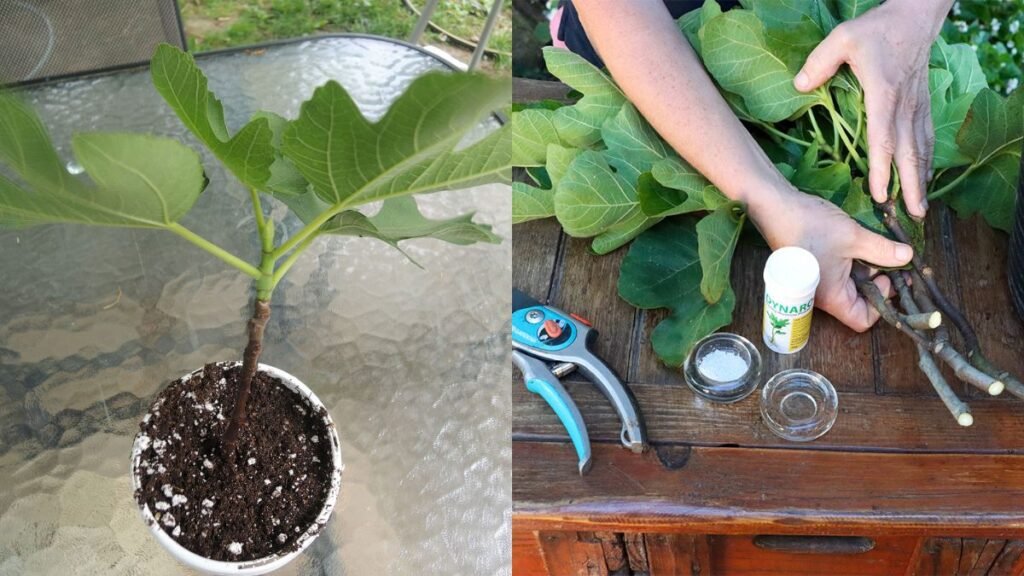
Partial shade is ideal for young cuttings. Gradually increase exposure as roots establish. Adequate sunlight improves leaf and stem strength. Avoid harsh midday sun initially. Sunlight promotes vigorous growth. Proper exposure prevents stress. Gradual adjustment ensures plant health.
11. Fertilization Tips
Wait until new shoots appear before fertilizing. Use light organic compost or balanced fertilizer. Nitrogen for leaves, phosphorus for roots, potassium for overall growth. Avoid excessive feeding. Balanced nutrition ensures healthy development. Fertilization improves survival rate. Proper care boosts vigor.
12. Rooting Timeline
Roots begin forming in three to six weeks. New shoots appear above soil. Rooting depends on soil, water, and temperature. Gently check resistance to confirm root formation. Healthy roots predict successful transplanting. Early care accelerates development. Consistency is important. Proper attention ensures rooting success.
13. Pruning and Shaping
Prune weak or damaged stems. Focus energy on strong shoots. Early shaping improves branching later. Proper pruning ensures good airflow. Healthy branches support flowering. Avoid over-pruning in initial stages. Gentle pruning encourages strong structure. Proper training supports long-term productivity.
14. Pest and Disease Management
Young cuttings are prone to rot. Keep soil well-drained. Inspect for aphids or mealybugs. Use organic sprays if necessary. Avoid chemical overload. Clean surroundings prevent fungal infections. Early monitoring prevents damage. Healthy cuttings resist disease.
15. Transplanting Cuttings
After rooting, transplant into permanent location. Dig hole twice root size. Backfill with nutrient-rich soil. Water immediately after planting. Gradually expose to sunlight. Protect from wind or heavy rains. Proper transplanting ensures strong establishment. Mature trees grow faster.
16. Long-Term Care
Provide consistent water and sunlight. Mulch around base to retain moisture. Fertilize periodically. Inspect for pests and prune as needed. Support stems with poles. Maintain soil health. Long-term care ensures productivity. Healthy trees produce quality fruit.
17. Expected Growth and Timeline
Cuttings grow faster than seeds. Leaves and branches expand rapidly in first year. Flowering may begin in two to three years. Fruit production follows quickly. Healthy care improves size and yield. Regular pruning and support increase output. Growth depends on nutrition and environment.
18. Benefits of Fig Cutting Propagation
Faster growth and earlier fruiting. Predictable fruit quality. High survival rate. Easy to manage in home gardens. Beginner-friendly. Cost-effective and sustainable. Reduces waiting time compared to seeds. Overall efficiency improves.
19. Common Mistakes to Avoid
Overwatering young cuttings. Planting in poor soil. Ignoring pests or diseases. Excess pruning early. Planting during wrong season. Using damaged cuttings. Poor sunlight exposure. Awareness prevents these mistakes.
20. Conclusion
Fig cutting propagation is simple, fast, and highly rewarding. Correct selection, planting, and care guarantee success. Cuttings establish quickly and produce quality fruit. Proper watering, sunlight, and nutrition are key. Beginners can confidently grow fig trees at home. Patience leads to strong, productive trees. Home-grown figs are delicious and chemical-free. Cutting propagation is the easiest method to expand your fig garden.
📊 Table: Fig Cutting Propagation Overview
| Stage | Key Requirement | Time Frame |
|---|---|---|
| Curing | Shaded air-dry | One to two days |
| Rooting | Moist, well-draining soil | Three to six weeks |
| Vegetative Growth | Sunlight and support | First year |
| Fruiting | Mature plant | Two to three years |